
Table of Contents
Lavender is one of those plants that can make a garden feel special without demanding constant attention. With its fragrant foliage, beautiful purple flower spikes, and ability to attract pollinators, lavender is a favorite for garden beds, borders, containers, and sunny patios.
The good news is that planting lavender isn’t complicated. Lavender generally prefers plenty of sunshine, excellent drainage, and relatively dry conditions. In fact, too much water or planting in heavy, soggy soil can cause more trouble than giving it a little less attention.
Whether you’re planting your first lavender plant or trying to improve one that’s already growing, this beginner-friendly guide covers everything you need to know about planting lavender, watering, soil, pruning, container growing, winter care, and common problems.
Quick Guide to Plant Lavender
For healthy lavender, remember these basic requirements:
- Sun: At least 6–8 hours of direct sunlight daily
- Soil: Well-draining soil
- Water: Water deeply, then allow the soil to dry
- Spacing: Usually about 18–36 inches, depending on the variety
- Fertilizer: Usually very little is needed
- Pruning: Trim regularly to encourage compact growth
- Best conditions: Sunny, relatively dry locations with good airflow
The exact care requirements can vary depending on your lavender variety and local climate.
What Is Lavender?
Lavender (Lavandula) is a group of aromatic plants belonging to the mint family, Lamiaceae. It is native to parts of the Mediterranean region and surrounding areas, which helps explain why lavender generally performs best in sunny locations with well-drained soil.
Lavender is commonly grown for its:
- Fragrant flowers
- Silvery-green foliage
- Ornamental value
- Pollinator-friendly blooms
- Dried flowers
- Garden borders and pathways
Once established in suitable conditions, many lavender varieties are relatively low-maintenance.
Choosing the Right Lavender Variety
Before learning how to plant lavender, it’s important to choose a variety suited to your climate.
There are many species and cultivars available, but several groups are especially common in U.S. gardens.
English Lavender
English lavender (Lavandula angustifolia) is one of the most popular choices for home gardens.
It is known for fragrant flowers and generally has better cold tolerance than many other lavender types. This can make it a useful option for gardeners in cooler regions.
Popular cultivars include:
- ‘Hidcote’
- ‘Munstead’
Lavandin
Lavandin (Lavandula × intermedia) is a hybrid commonly grown for its strong fragrance and long flower stems.
These plants can become larger than many English lavender varieties, so give them enough room to develop.
Popular cultivars include:
- ‘Grosso’
- ‘Provence’
Spanish Lavender
Spanish lavender (Lavandula stoechas) is recognizable by the decorative bracts above its flower heads, sometimes described as resembling little flags or rabbit ears.
It generally performs better in warmer climates and may be less tolerant of severe winter cold than English lavender.
French Lavender
The name “French lavender” can refer to different lavender species depending on where you live, so check the botanical name on the plant label before buying.
Knowing exactly which lavender you’re growing will help you determine its cold tolerance, mature size, and care requirements.
How to Plant Lavender Successfully
The secret to healthy lavender is surprisingly simple: give it conditions similar to the dry, sunny environment it naturally prefers.
Here are the most important steps.
1. Choose a Sunny Location
Lavender loves sunlight.
For strong growth and abundant flowering, choose a location receiving at least 6 hours of direct sunlight per day, with 8 hours being even better in many situations.
Too much shade can lead to:
- Weak or stretched growth
- Fewer flowers
- Slower drying after rain
- Increased moisture-related problems
Observe your garden before planting. A location that looks sunny in the morning may become shaded later by buildings or trees.
For most lavender plants, the sunnier the location, the better.
2. Make Sure the Soil Drains Well
Good drainage is one of the most important parts of lavender care.
Lavender doesn’t like sitting in consistently wet soil. Poor drainage around the roots can contribute to root problems and plant decline.
Before planting, examine your soil after heavy rain.
If water remains in the area for long periods, consider planting lavender somewhere else or improving the planting area’s drainage.
Raised beds can also be helpful where native soil stays too wet.
What Soil Does Lavender Like?
Lavender generally prefers:
- Well-drained soil
- Soil that isn’t overly rich
- Neutral to slightly alkaline conditions for wide varieties
A soil test is the best way to know your garden’s actual pH rather than guessing.
Avoid automatically adding large amounts of rich compost or fertilizer. Lavender often performs well in relatively lean soil when drainage is good.
3. Plant Lavender at the Right Time
For many U.S. gardeners, spring is an excellent time to plant lavender, particularly in areas with cold winters.
Planting after the danger of severe frost has passed gives the roots time to establish before the next winter.
In warmer climates, fall planting may also work well because plants can establish during milder weather.
Your local climate matters, so check regional recommendations from your Cooperative Extension service if you’re uncertain.
4. Give Lavender Enough Space
Air circulation matters.
Planting lavender too close together can restrict airflow and create more humid conditions around the foliage.
Spacing depends on the mature size of your variety. Many lavender plants need roughly 18 to 36 inches of space, but always check the label for your specific cultivar.
Remember that a small nursery plant can eventually become much wider.
Giving it enough space from the beginning usually produces a healthier and more attractive plant later.
How to Plant Lavender Step by Step
Once you’ve selected the right location, planting is straightforward.
Step 1: Prepare the Area
Remove weeds and other plants that may compete with your new lavender.
Check that the location receives enough sunlight and drains effectively.
Step 2: Dig the Planting Hole
Dig a hole approximately as deep as the plant’s root ball and somewhat wider.
Avoid planting lavender much deeper than it was growing in its nursery container.
Step 3: Remove the Plant Carefully
Slide the lavender from its container gently.
If the roots are tightly circling the root ball, loosen them carefully with your fingers.
Step 4: Position the Lavender
Place the plant in the hole so that the top of the root ball sits approximately level with the surrounding soil.
Step 5: Backfill
Return soil around the roots and gently firm it.
Avoid heavily compacting the soil.
Step 6: Water After Planting
Water thoroughly after planting to settle the soil around the roots.
After that, allow the soil to begin drying between waterings.
How Often Should You Water Lavender?
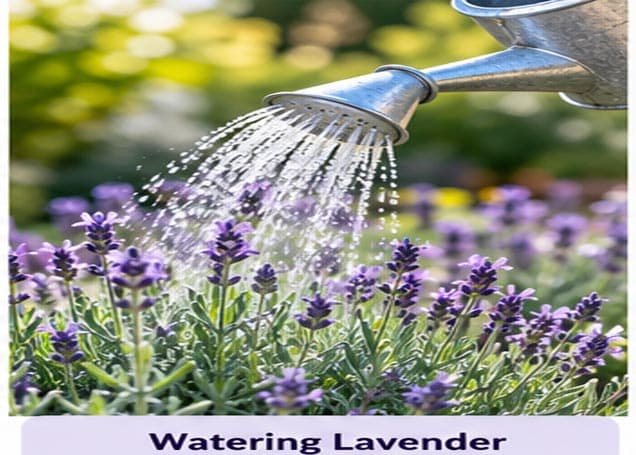
Overwatering is one of the most common mistakes beginners make with lavender.
Newly planted lavender needs more consistent attention while its roots establish. However, established plants generally prefer drier conditions.
Instead of following a rigid schedule such as “water every three days,” check the soil.
If the root zone is still noticeably moist, wait.
When watering, give the plant a thorough drink rather than frequently wetting only the surface.
Lavender in Containers
Potted lavender may need watering more frequently than lavender growing in the ground because container soil dries faster.
However, the same principle applies:
Check the soil before watering.
Make sure the container has unobstructed drainage holes so excess water can escape.
Does Lavender Need Fertilizer?
Usually, lavender doesn’t need heavy fertilization.
Excessive fertilizer—particularly too much nitrogen—can encourage leafy growth at the expense of flowers and may produce softer growth.
If your plant appears healthy and is growing normally, don’t fertilize simply because you think every garden plant needs regular feeding.
If you’re unsure about your soil’s fertility, a soil test can provide better guidance.
How to Grow Lavender in Pots
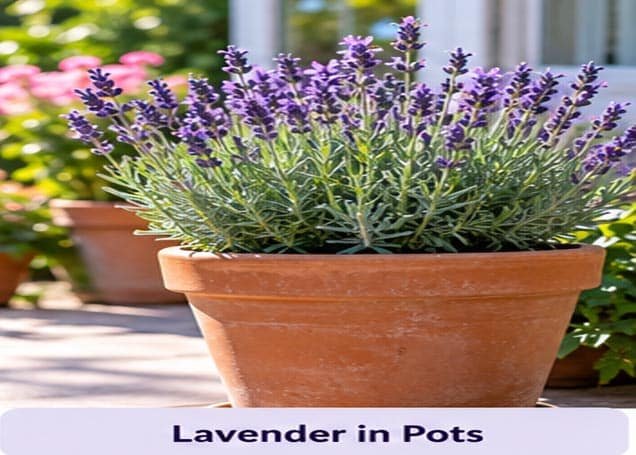
Don’t have a large garden?
You can still grow lavender successfully in a container.
Container growing is especially useful for patios, balconies, entrances, and locations where garden soil drains poorly.
Choose the Right Pot
Your container should:
- Have drainage holes
- Provide enough room for the roots
- Be stable enough for the mature plant
- Allow excess water to drain freely
Avoid containers without drainage holes.
Use Well-Draining Potting Mix
Don’t fill the container with dense garden soil.
Use a quality potting medium that drains effectively. Container roots need both moisture and oxygen, and waterlogged potting mix can create problems.
Put the Pot in Full Sun
Place your lavender container in one of the sunniest locations available.
A south- or west-facing exposure may work well depending on your home and climate.
Check Moisture Regularly
Containers can dry rapidly during hot weather, but that doesn’t mean lavender should remain constantly wet.
Check the soil before watering.
How to Prune Lavender
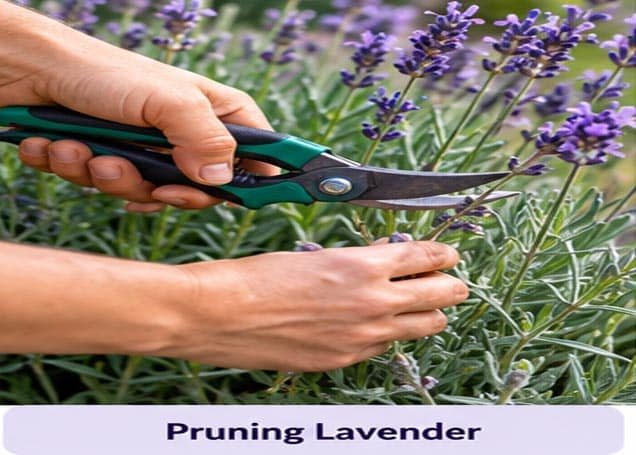
Pruning is important for keeping lavender compact and attractive.
Without regular trimming, older lavender plants can become woody and open in the center.
When Should You Prune Lavender?
Timing varies with climate and lavender type, but pruning is commonly performed after flowering or during appropriate periods of active growth.
Avoid severe pruning immediately before harsh winter weather.
How Much Should You Cut?
Trim spent flower stems and some of the green leafy growth to maintain the plant’s shape.
A crucial rule for beginners is:
Avoid cutting deeply into old, leafless woody stems.
Some lavender plants don’t reliably produce new growth from old wood.
Think of pruning as maintaining a rounded, compact plant rather than dramatically cutting it back.
How to Harvest Lavender
One of the rewards of growing lavender is harvesting its fragrant flowers.
For dried bouquets, flowers are often harvested when some buds have opened but many are still developing.
Use clean garden scissors or pruners and cut flower stems without removing excessive woody growth.
You can bundle small groups of stems and hang them in a dry, well-ventilated location away from excessive moisture.
Dried lavender can be used for decorative arrangements and crafts.
Growing Lavender in Different U.S. Climates
Lavender care isn’t the same everywhere in the United States.
Cold-Winter Regions
Gardeners in colder regions should pay special attention to variety selection.
Cold-hardy types, particularly certain English lavender cultivars, are often better choices.
Good drainage becomes especially important during winter because cold, wet soil can be difficult for lavender.
Hot, Dry Regions
Lavender can perform beautifully in sunny, dry climates when the variety is appropriate.
Even drought-tolerant plants need adequate water while establishing, though.
Hot and Humid Regions
Humidity can make lavender more challenging.
If you live in a humid region:
- Provide excellent airflow
- Avoid crowding plants
- Choose the sunniest suitable location
- Prioritize excellent drainage
- Avoid keeping foliage unnecessarily wet
Choosing varieties recommended for your local region can make a major difference.
Common Lavender Growing Problems
Even relatively easy plants can experience problems.
Here are several issues beginners may encounter.
Lavender Isn’t Flowering
Poor flowering may be associated with:
- Insufficient sunlight
- Excess fertilizer
- Improper pruning
- Plant age
- Unsuitable growing conditions
Start by checking sunlight. Lavender generally flowers best in full sun.
Leaves Are Turning Yellow
Yellowing foliage can have several causes, including excess moisture or other root-zone problems.
Check the soil before adding more water.
If it stays wet for long periods, drainage may be the real issue.
Plant Is Becoming Woody
Some woody growth is natural as lavender ages.
Regular, appropriate pruning can help maintain a compact shape, but avoid cutting aggressively into old bare wood.
Lavender Is Wilting
Wilting doesn’t automatically mean a plant needs more water.
Plants can wilt when roots are stressed by excessively wet conditions as well as when soil becomes too dry.
Check the soil before deciding what to do.
This simple habit can prevent accidental overwatering.
Common Mistakes to Avoid When Growing Lavender
Beginners can greatly improve their results by avoiding a few common mistakes.
1. Overwatering
Lavender generally dislikes consistently wet soil.
2. Planting in Heavy, Poorly Drained Soil
Drainage should be considered before planting—not after the plant begins struggling.
3. Growing Lavender in Too Much Shade
More sunlight generally means stronger growth and better flowering.
4. Overfertilizing
Lavender isn’t a heavy feeder.
5. Crowding Plants
Adequate spacing improves airflow and gives plants room to reach their mature size.
6. Cutting Too Far Into Woody Stems
Pruning old bare wood too aggressively can leave sections that fail to regrow.
7. Choosing the Wrong Variety
A lavender that thrives in a mild California climate may not be the best choice for a garden with freezing Midwest winters.
Always consider your USDA hardiness zone and local growing conditions.
What Can You Plant With Lavender?
Lavender works beautifully in mixed gardens.
Potential companions include other plants that enjoy sunny conditions and relatively well-drained soil.
Depending on your climate and garden design, possibilities include:
- Rosemary
- Thyme
- Sage
- Yarrow
- Coneflowers
- Ornamental grasses
However, don’t choose companions based on appearance alone.
Plants growing together should have reasonably compatible sunlight, soil, and watering requirements.
Is Lavender Good for Pollinators?
Lavender flowers can attract bees and other pollinating insects.
This makes flowering lavender a useful addition to pollinator-friendly gardens, especially when combined with other flowering plants that bloom at different times.
For a stronger pollinator garden, grow a diversity of suitable plants rather than relying on a single species.
Is Lavender a Perennial?
Many lavender species are perennial plants, meaning they can live for several years when grown in suitable conditions.
However, whether lavender survives winter outdoors depends heavily on:
- Variety
- USDA hardiness zone
- Winter temperatures
- Soil drainage
- Moisture
- Local microclimate
That’s why gardeners in colder areas should select varieties known for better cold tolerance.
How Long Does Lavender Take to Grow?
Don’t expect a small lavender transplant to become a huge flowering shrub immediately.
Growth rate varies according to the variety, climate, planting time, and growing conditions.
Young plants typically spend time establishing their root systems before reaching mature size.
Providing good conditions from the beginning is more important than trying to force rapid growth with excessive fertilizer.
Frequently Asked Questions About Growing Lavender
Is lavender easy to grow for beginners?
Yes, lavender can be beginner-friendly when grown in the right conditions. The most important requirements are abundant sunlight and excellent drainage. Overwatering is a common problem, so avoid keeping the soil constantly wet.
Does lavender need full sun?
Lavender generally performs best in full sun. Aim for at least 6 hours of direct sunlight daily, with more sunlight often supporting stronger flowering.
Can lavender grow in pots?
Yes. Lavender can grow very well in containers as long as the pot has drainage holes, the growing medium drains properly, and the plant receives plenty of sunlight.
How often should I water lavender?
There isn’t one watering schedule that works for every garden. Weather, soil, container size, and plant age all affect water needs. Check the soil and allow it to dry somewhat between waterings rather than watering automatically.
Does lavender come back every year?
Many lavender varieties are perennial and can return for multiple years. However, winter survival depends on the variety and local growing conditions.
Why is my lavender dying?
Possible causes include poor drainage, excessive watering, insufficient sunlight, unsuitable climate, or root problems. Check the soil moisture and growing conditions before assuming the plant simply needs more water.
Can lavender grow indoors?
Lavender can be challenging indoors because it needs very bright light and good airflow. A sunny outdoor location is generally easier for maintaining vigorous plants.
When does lavender bloom?
Blooming time varies by species, cultivar, and climate. Many lavender plants flower from late spring into summer, while some types may produce additional blooms under suitable conditions.
Final Thoughts
Learning how to plant lavender becomes much easier once you understand what the plant naturally prefers.
Give lavender plenty of sunshine, excellent drainage, adequate spacing, and careful watering, and you’re already providing the foundation it needs to thrive.
The biggest beginner mistake is often doing too much. Lavender usually doesn’t need constantly wet soil or frequent heavy feeding. Once established in the right location, it can become a relatively low-maintenance addition to your garden.
Start with a lavender variety suited to your climate, choose the sunniest well-drained spot you have, and pay attention to soil moisture before watering.
With a little patience and the right growing conditions, you can enjoy beautiful, fragrant lavender flowers in your garden for years to come.
References and Further Reading
For regional and science-based growing recommendations, readers can consult:
- University Cooperative Extension resources in their state
- USDA Plant Hardiness Zone information
- University of Minnesota Extension gardening resources
- North Carolina State Extension plant resources
- Local Master Gardener programs
Growing conditions vary considerably across the United States, so local Extension recommendations are especially valuable when choosing lavender varieties and determining planting dates.