
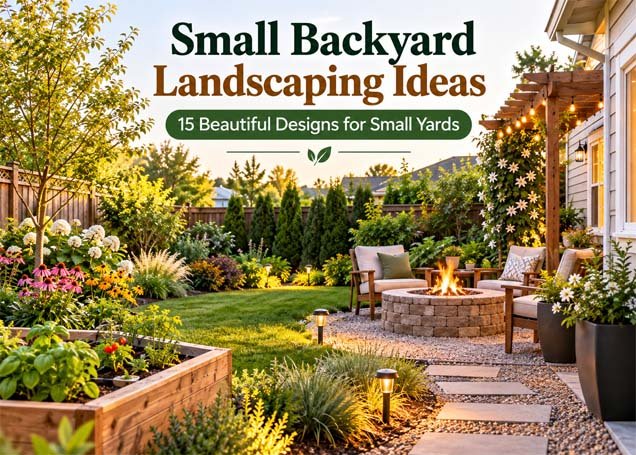
A small backyard can become one of the most inviting spaces in your home. You don’t need a sprawling lawn, an expensive outdoor kitchen, or a professional landscaping crew to create a beautiful outdoor retreat. With thoughtful planning, the right plants, and a few clever design choices, even a compact yard can feel comfortable, functional, and full of character.
The best small backyard landscaping ideas make every square foot count. A narrow garden can accommodate a cozy seating area. A tiny lawn can become a colorful pollinator garden. An overlooked corner can transform into a peaceful place to enjoy your morning coffee.
Whether you have a small suburban backyard, a townhouse garden, or a modest outdoor space in the city, these 15 landscaping ideas will help you make the most of what you have.
How to Plan a Small Backyard Landscape
Before buying plants, installing pavers, or choosing patio furniture, spend a little time understanding your outdoor space.
Start by measuring the yard and sketching a simple layout. Mark the location of doors, windows, fences, existing trees, utility equipment, and areas where water collects after heavy rain.
Next, consider how you want to use the backyard. Is your priority outdoor dining, gardening, relaxing, entertaining guests, or creating a space for children to play?
A backyard designed for quiet relaxation will look different from one intended for family gatherings.
Understand Sunlight and Soil Conditions
Watch how sunlight moves across your yard throughout the day.
- Full sun: Generally six or more hours of direct sunlight daily.
- Partial sun or partial shade: Usually around three to six hours of direct sunlight.
- Full shade: Limited direct sunlight, although the amount of indirect light can vary.
Plant labels sometimes define these conditions differently, so check individual growing requirements.
Soil is equally important. Sandy soil drains quickly, while clay-rich soil may hold moisture longer. A basic soil test can help you determine whether amendments are necessary.
Choose Plants That Suit Your Region
A plant that thrives in Florida may struggle through a Minnesota winter. Likewise, a water-loving perennial might perform poorly in an Arizona landscape without substantial irrigation.
Use the USDA Plant Hardiness Zone Map to identify your location’s winter hardiness zone. Remember that hardiness zones describe winter temperatures, not summer heat, rainfall, or soil conditions
15 Small Backyard Landscaping Ideas
1. Create a Cozy Patio in One Corner
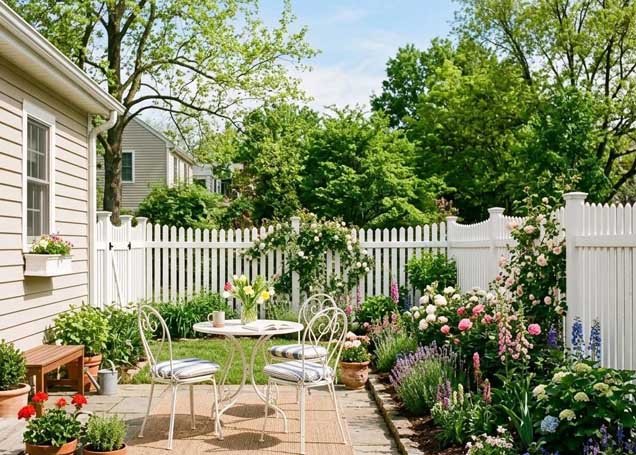
A small patio can become the heart of your backyard.
Rather than covering the entire outdoor space with paving, dedicate one section to seating and surround it with plants. This creates a comfortable gathering area while preserving the natural character of the garden.
A compact bistro table works well for two people, while a small outdoor loveseat may be more useful for reading or relaxing.
For a coordinated look, choose two or three complementary materials, such as light-colored pavers, natural wood, and dark metal furniture.
Design tips:
- Choose furniture that fits without blocking walkways.
- Use weather-resistant cushions and materials.
- Add planters along the patio edges.
- Keep enough space around chairs for comfortable movement.
- Use warm outdoor lighting for evening enjoyment.
A simple patio framed by ornamental grasses and flowering perennials can make a small backyard feel like an extension of the living room.
2. Use Vertical Gardens to Save Ground Space
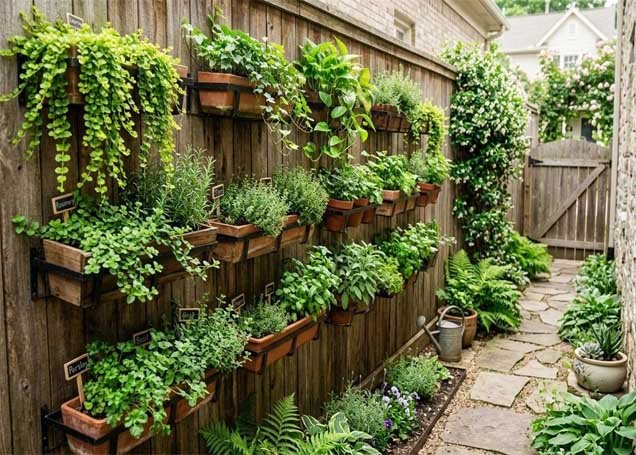
When a backyard has limited square footage, vertical gardening provides additional growing space without occupying much of the ground.
Trellises, wall-mounted planters, and freestanding plant supports can turn an ordinary fence into a lush green feature.
Climbing plants also soften the appearance of wooden fences and create visual interest at different heights.
Depending on your climate and growing conditions, suitable options may include clematis, climbing roses, or annual flowering vines.
You can also grow herbs and leafy greens in properly supported vertical containers.
Before attaching planters to a fence, check that the structure can support their weight when the soil is wet. Provide drainage and avoid trapping moisture against wooden surfaces.
Vertical gardening is especially useful for narrow backyards where traditional garden beds would leave little room for walking.
3. Design a Curved Garden Path
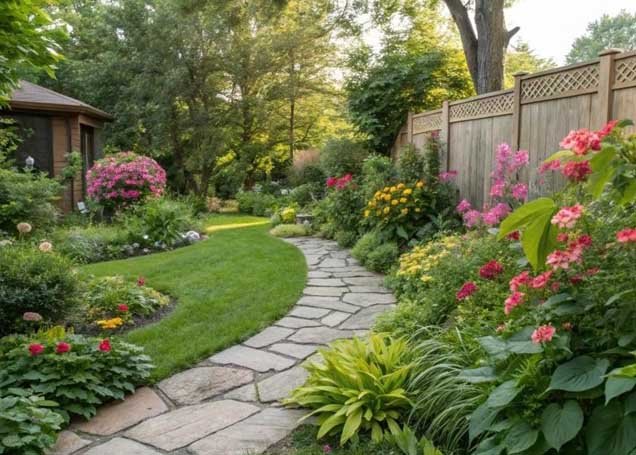
A straight path is practical, but a gently curved walkway can add a sense of movement and discovery to a compact backyard.
Instead of seeing the entire yard immediately, visitors follow a path that gradually reveals different planting areas.
Stepping stones surrounded by low-growing plants, gravel paths with defined edging, or simple paver walkways can all work beautifully.
The path should still lead somewhere meaningful, such as a seating area, raised garden bed, or garden bench.
Avoid adding unnecessary curves to a space that is already difficult to navigate. A simple, accessible route is usually more effective than an overly elaborate design.
For a cohesive appearance, repeat the same paving material in other parts of the backyard.
4. Build Raised Garden Beds for Flowers and Vegetables
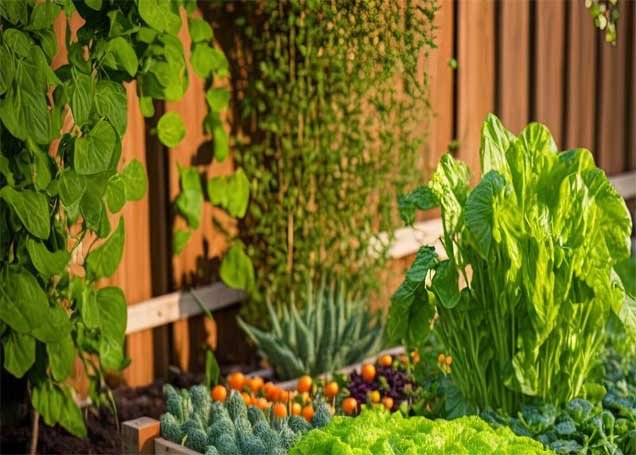
Raised garden beds are an excellent option for homeowners who want a productive backyard without dedicating the entire space to vegetable gardening.
They help define planting areas and can make it easier to organize crops, manage soil, and reach plants.
A narrow raised bed along a sunny fence may provide room for lettuce, herbs, radishes, or compact pepper varieties.
Tomatoes can also grow in raised beds when given adequate root space, sunlight, and sturdy support.
For small yards, prioritize accessibility. Many gardeners find beds around three to four feet wide practical when they can reach from both sides, but the ideal dimensions depend on individual reach and the layout.
Choose untreated, garden-appropriate materials, use suitable soil, and ensure water can drain.
Raised beds also introduce clean geometric lines that contrast nicely with softer landscape plants.
5. Choose a Low-Maintenance Landscape
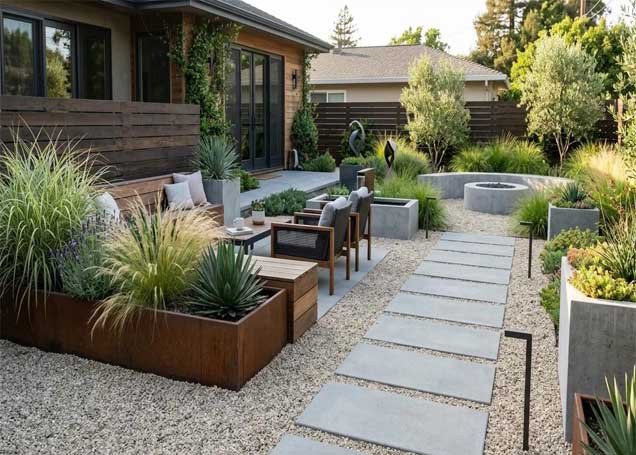
A beautiful backyard shouldn’t require hours of work every weekend.
If you prefer a simpler routine, reduce the amount of lawn and choose plants suited to your local conditions.
Group plants with similar watering needs together. Use mulch in garden beds to help moderate soil temperature, conserve moisture, and suppress some weed growth.
Native plants can be particularly valuable when selected for the specific site, although even native species require care during establishment.
A low-maintenance landscape might combine a small seating area, a few well-chosen shrubs, ornamental grasses, and mulched planting beds.
Avoid overcrowding. Plants need room to reach their mature size, and dense planting can create ongoing pruning and maintenance problems.
The goal isn’t a maintenance-free yard. It’s a yard whose upkeep fits your schedule.
6. Add a Small Water Feature
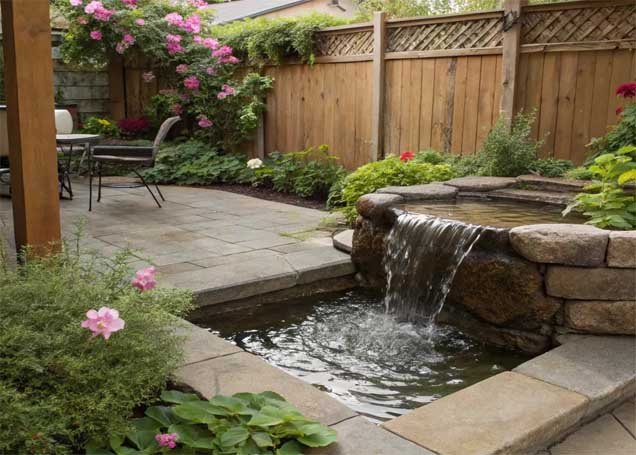
The gentle sound of moving water can make a backyard feel peaceful, especially in neighborhoods with traffic or other background noise.
You don’t need a large pond to achieve this effect.
A compact recirculating fountain, decorative water bowl, or small wall-mounted fountain can become an attractive focal point.
Choose a design that fits the scale of the garden and place it where it can be enjoyed from a patio or window.
Consider access to electricity, cleaning requirements, local water restrictions, and winter weather before installation.
Keep water features properly maintained and designed to avoid standing water, especially where mosquitoes are common.
For families with young children, a shallow, enclosed feature without an accessible pool of water is generally a more appropriate choice than an open pond.
7. Create Privacy With Plants and Screens
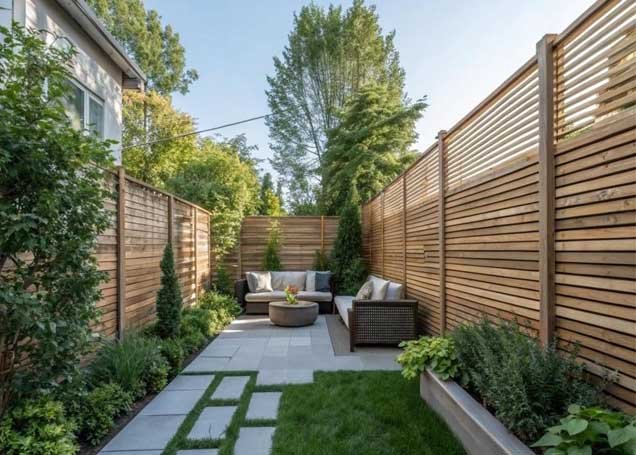
Privacy is often one of the biggest challenges in a small suburban backyard.
A fence may establish a boundary, but neighboring windows and elevated decks can still overlook the space.
Instead of immediately installing a taller fence, consider strategic planting.
Narrow-growing shrubs, small ornamental trees, and climbing plants on sturdy trellises can help screen specific views.
The key is choosing plants based on their mature height and spread.
A shrub that looks compact at the nursery may eventually occupy several feet of valuable yard space.
For immediate screening, an outdoor privacy panel or a well-positioned pergola may be more practical than waiting for plants to grow.
Check local property rules and homeowners association requirements before installing permanent structures.
8. Add a Small Fire Pit Seating Area
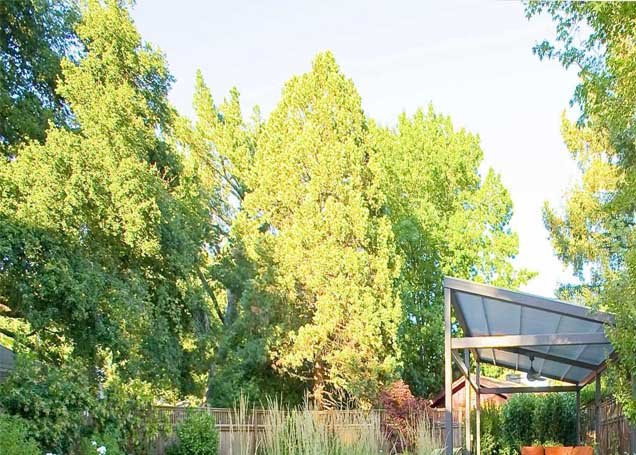
A compact fire pit area can create a welcoming outdoor gathering space where local regulations and property conditions permit.
For a small backyard, the surrounding layout matters just as much as the feature itself.
A circular seating arrangement, simple gravel surface, and restrained planting scheme can make the area feel organized rather than crowded.
However, fire features are not appropriate for every yard. Small spaces may lack the required clearance from buildings, fences, trees, or combustible materials.
Before planning one, check local fire regulations, manufacturer requirements, and whether your property has enough room for safe clearances. Consider a non-flame focal point or a cozy seating circle if space is insufficient.
The design should prioritize safe circulation and comfortable seating rather than squeezing a fire feature into an unsuitable area.
9. Create a Backyard Garden With Native Plants
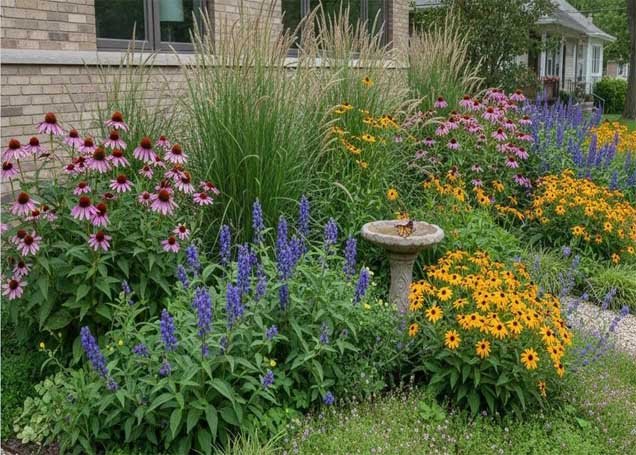
Native plant landscaping can bring color, seasonal interest, and ecological value to a small yard.
When properly selected, native flowers, grasses, and shrubs can support local pollinators and other wildlife.
For example, certain coneflowers, asters, and native grasses may be appropriate in parts of the United States, but suitability varies considerably by region.
A plant native to one state isn’t necessarily native or well adapted to another.
Start with a local university extension service or native plant society to identify suitable species.
You can create a layered garden by placing taller plants toward the back, medium-height flowering plants in the middle, and shorter species along the edges.
Repeat a few plant varieties throughout the bed instead of buying one of everything. Repetition gives a small landscape a calmer, more intentional appearance.
10. Use Gravel and Stepping Stones for a Budget-Friendly Design
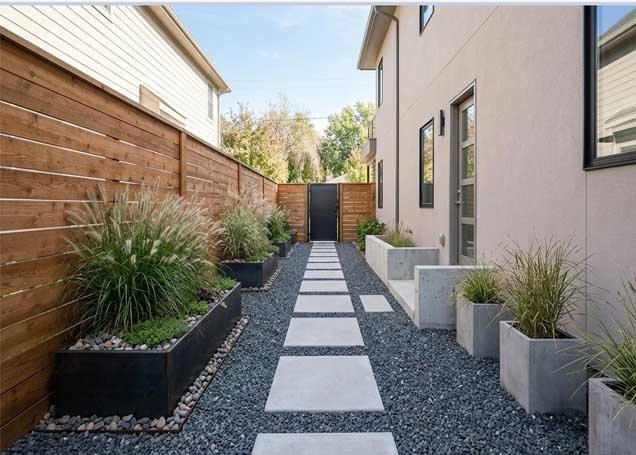
Gravel and stepping stones can help define pathways and seating areas without the visual weight of extensive paving.
They’re especially attractive in contemporary, cottage-style, and naturalistic landscapes.
Choose materials that complement your home’s exterior. Warm-toned gravel works well with brick and wood, while gray stone can suit modern architecture.
A firm, well-prepared base and appropriate edging help keep paths functional.
Be aware that loose gravel can be difficult for wheelchairs, strollers, and some mobility aids. If accessibility is important, consider a stable, firm paving surface instead.
Also think about runoff. Replacing soil with gravel does not automatically solve drainage problems; performance depends on the underlying soil and construction.
11. Plant a Small Ornamental Tree
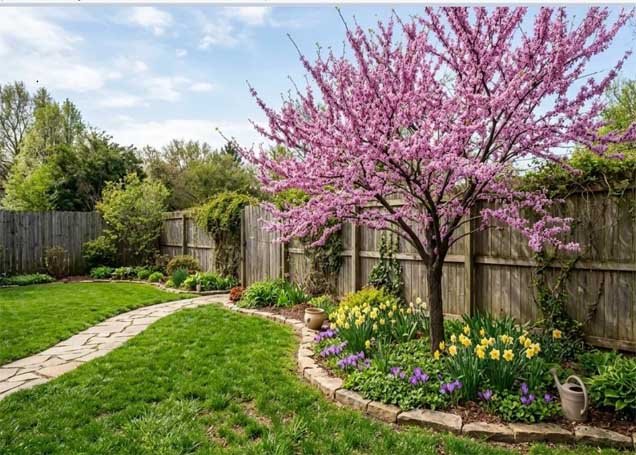
A single carefully selected tree can transform the appearance of a backyard.
Trees introduce height, seasonal changes, shade, and a sense of structure.
For small landscapes, look for species or cultivars with a mature size that fits the available space.
Depending on your region, suitable choices may include certain serviceberries, redbuds, or compact ornamental trees recommended by your local extension service.
Before planting, check:
- Mature canopy width
- Expected height
- Rooting space
- Distance from buildings and utilities
- Sunlight requirements
- Soil drainage
- Local pest and disease concerns
Avoid choosing a tree solely because it looks attractive when young.
A properly positioned small tree can frame a seating area without dominating the entire yard.
12. Divide the Backyard Into Functional Zones
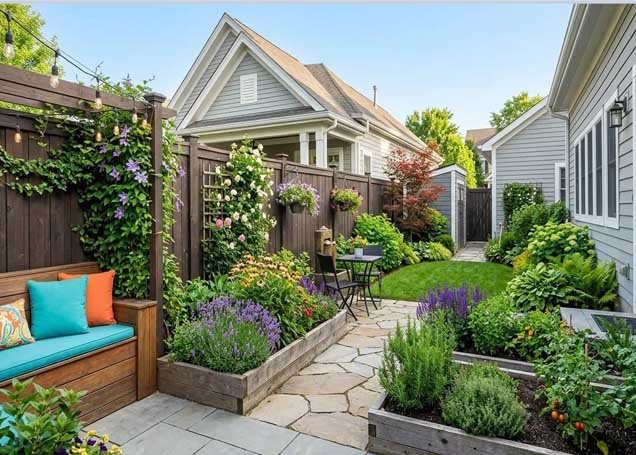
Even a very small backyard can serve more than one purpose.
The secret is creating clearly defined areas without filling the space with walls or bulky structures.
For example, a rectangular yard might have a seating area near the house, a narrow planting bed along the fence, and a compact garden area at the far end.
Different ground materials can help distinguish each zone.
A patio might use pavers, while garden beds feature mulch and the connecting walkway uses stepping stones.
Keep the overall color palette consistent so the yard still feels unified.
When space is especially limited, choose flexible furniture that can serve multiple purposes.
13. Create a Beautiful Container Garden
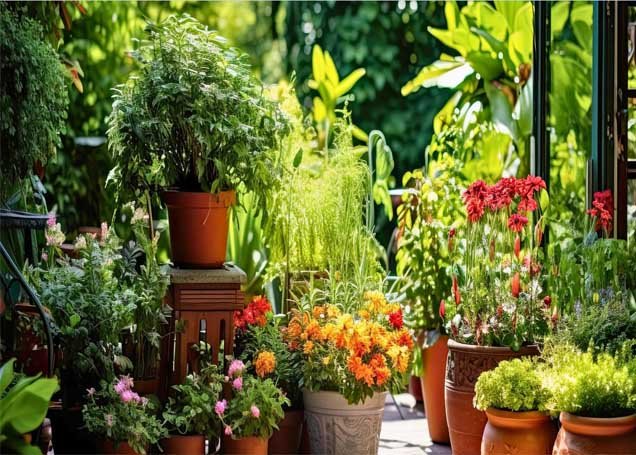
Container gardening is one of the most adaptable small backyard landscaping ideas.
Pots allow you to grow flowers, herbs, shrubs, and even certain compact vegetables without permanent garden beds.
They’re also useful for renters or homeowners who expect to change their outdoor layout.
Choose containers with drainage holes and use potting mix suited to the plants.
Grouping pots of different heights can create a layered appearance, but keep the number of container styles limited to avoid visual clutter.
Large containers generally dry out more slowly than tiny pots, although watering needs still depend on weather, material, plant size, and soil mix.
For a coordinated display, combine one taller focal plant with medium-height flowering plants and trailing foliage.
14. Add Outdoor Lighting for Evening Appeal
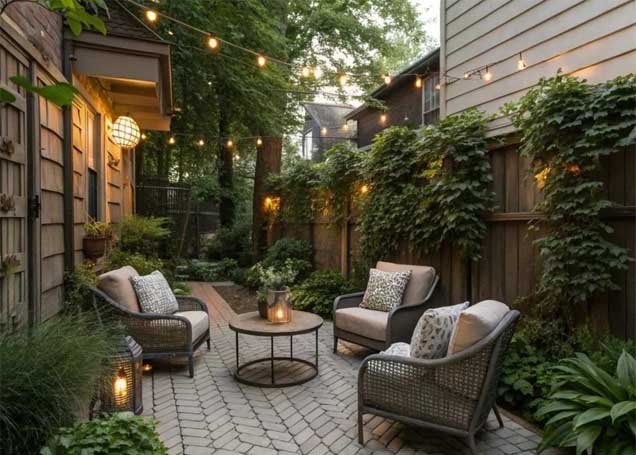
Good outdoor lighting makes a backyard more inviting after sunset.
It also helps people navigate paths, steps, and seating areas.
For a small yard, subtle lighting often looks better than bright floodlights.
Consider low-glare pathway fixtures, carefully positioned wall lights, or weather-rated string lights above a seating area.
Use outdoor-rated equipment and follow manufacturer instructions. Permanent electrical installations should meet applicable codes and may require a qualified professional.
Warm, downward-directed lighting can highlight the garden while reducing unnecessary glare toward neighboring properties.
A few thoughtfully placed lights are often enough to create a comfortable atmosphere.
15. Design a Relaxing Corner With a Garden Bench
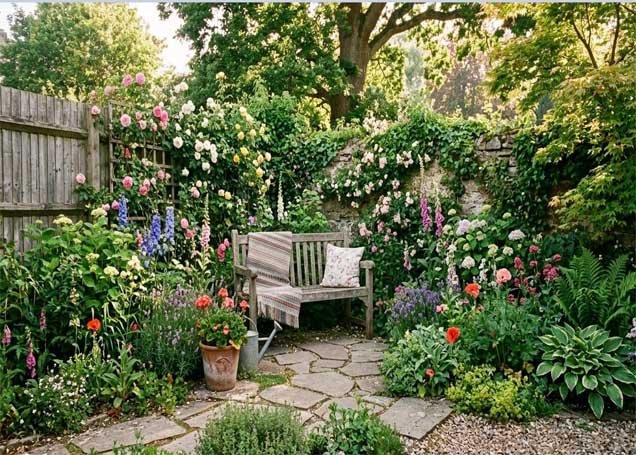
Sometimes the simplest landscaping idea is the most effective.
A garden bench tucked into a quiet corner can turn unused space into a peaceful retreat.
Surround it with a modest selection of plants that offer texture, seasonal color, or fragrance.
A small ornamental tree or shade-tolerant planting can help define the space, depending on sunlight conditions.
Keep the path to the bench clear and ensure the ground beneath it is stable.
You might add a side table, a weather-resistant cushion, or a nearby container of herbs.
The result is a personal outdoor spot that feels intentional without requiring a major renovation.
Small Backyard Landscaping Layout Ideas
The best design depends on your yard’s shape, sunlight, and intended use.
Here are three sample layouts to help you visualize different possibilities. These are illustrative arrangements, not construction plans.
Best Plants for Small Backyard Landscaping
Choosing the right plants is more important than choosing a large number of plants.
The following table offers starting points for different landscape needs. Always confirm local suitability, mature dimensions, and growing requirements before buying.
| Landscaping need | Plants to consider | Important note |
|---|---|---|
| Small ornamental tree | Serviceberry, selected redbud cultivars | Check mature canopy and regional suitability |
| Sunny flowering border | Coneflower, coreopsis, salvia | Choose locally appropriate species |
| Shaded garden | Ferns, heuchera, sedges | Moisture and shade tolerance vary |
| Narrow vertical accent | Compact upright shrubs | Check mature spread |
| Container display | Dwarf shrubs, herbs, annual flowers | Containers need regular monitoring |
| Pollinator planting | Regionally native asters and flowering perennials | Choose species native to your area |
A useful rule is to plan around mature plant sizes rather than nursery pot sizes.
For additional guidance, consult the USDA Plant Hardiness Zone Map and your local Cooperative Extension office.
How to Make a Small Backyard Look Bigger
A backyard doesn’t have to be physically large to feel spacious.
Several design choices can create a more open appearance.
Limit the number of materials. Repeating the same pavers, edging, and container finishes gives the yard visual continuity.
Keep the center relatively open. Placing larger plants and structures around the edges can preserve usable space.
Use layered planting. A combination of low groundcovers, medium-height flowers, and taller shrubs creates depth.
Create a focal point. A bench, ornamental tree, or attractive planter gives the eye a destination.
Choose appropriately sized furniture. Oversized sofas and dining sets can overwhelm a compact patio.
Use lighting selectively. Illuminating a pathway or a few plants adds depth after dark.
Most importantly, resist the temptation to include every landscaping feature you like. A small backyard often looks better when its design is simple and purposeful.
Small Backyard Landscaping on a Budget
You don’t have to complete the entire backyard in one project.
Start with the improvements that will make the greatest difference to how you use the space.
Illustrative planning allowances in USD, not verified contractor quotes. Actual prices vary by region, materials, site preparation, and labor.
| Project | Example DIY material allowance |
|---|---|
| Refresh an existing garden bed with mulch | $40–$150 |
| Add a few container plants | $50–$200 |
| Create a simple stepping-stone path | $100–$350 |
| Add a compact seating arrangement | $150–$500 |
| Install basic outdoor accent lighting | $40–$180 |
These examples exclude professional labor and may not cover grading, drainage work, electrical installation, or other site-specific requirements.
For a budget-conscious makeover, begin by cleaning the space, removing unwanted clutter, improving existing beds, and repositioning furniture.
Then invest in a few high-impact features rather than numerous decorative accessories.
Drainage Considerations for Small Backyards
Drainage deserves special attention because small yards often sit close to houses, fences, and neighboring properties.
Before changing the landscape, observe where water flows during rainfall.
Avoid directing runoff toward your home’s foundation or onto a neighbor’s property.
Permeable landscaping and appropriate planting can help manage some stormwater, but they aren’t substitutes for correcting serious grading or drainage problems.
The U.S. Environmental Protection Agency describes rain gardens as shallow planted areas designed to collect and filter runoff. Their suitability depends on soil conditions, available space, and correct placement.
If your backyard regularly floods or holds water near the house, consult a qualified local professional before installing new hardscaping or changing grades.
Common Small Backyard Landscaping Mistakes
Even an attractive design can become frustrating when practical details are overlooked.
One frequent mistake is planting shrubs and trees too close together. They may look well-spaced at first but eventually compete for light and occupy walkways.
Another is installing too much paving without considering drainage and summer heat.
Choosing plants only for their appearance can also lead to disappointing results. Sunlight, soil moisture, climate, and mature size matter just as much as flower color.
Other problems include inadequate access for maintenance, poor lighting, furniture that is too large, and trying to include too many unrelated design styles.
The easiest way to avoid these issues is to create a simple plan before purchasing materials.
A Practical Weekend Planning Checklist
You don’t need to complete a landscaping project in one weekend, but you can make meaningful progress toward a clear design.
Backyard planning progress
0 of 7Measure the yard and sketch the boundaries. Observe sunlight and drainage. Choose the main purpose of the backyard. Check local plant suitability and mature sizes. Select a simple layout and material palette. Set a realistic budget and project sequence. Identify work that requires permits or professional help
Frequently Asked Questions
What is the cheapest way to landscape a small backyard?
Start by improving what you already have. Clean existing beds, divide suitable established perennials, add mulch, and use a limited number of containers or inexpensive annual flowers. Reusing sound materials can reduce costs, but avoid skipping necessary drainage or site preparation.
How can I make a small backyard look beautiful?
Focus on a simple layout, healthy plants, coordinated materials, and one attractive focal point. Good proportions and thoughtful maintenance often have more impact than expensive features.
What is the best landscape design for a small yard?
There isn’t one universal design. A patio-centered layout works well for entertaining, while raised beds suit homeowners who enjoy growing food. A low-maintenance garden may be best for someone with limited time.
Can I landscape a small backyard without grass?
Yes. A backyard can combine planting beds, patios, permeable pathways, and container gardens without a traditional lawn. Consider drainage, accessibility, and local regulations when selecting materials.
How do I create privacy in a small backyard?
Use carefully positioned screens, trellises, narrow shrubs, or small trees suited to your climate. Targeting specific sightlines often works better than surrounding the entire yard with tall, dense plants.
How many plants should I put in a small backyard?
There is no fixed number. Plant quantities depend on species, mature spread, and the space available. A few well-positioned plants often create a more balanced landscape than many crowded varieties.
Final Thoughts
A small backyard offers more possibilities than its dimensions might suggest.
With a clear layout, carefully chosen plants, and a few practical design features, you can turn an ordinary outdoor area into a welcoming place that suits your lifestyle.
Whether you prefer a simple patio, a productive raised-bed garden, or a relaxing space filled with flowers, the best approach is to start with your priorities and build the landscape around them.
You don’t need to implement all 15 ideas. Choose the ones that fit your space, climate, budget, and maintenance preferences.
A successful small backyard isn’t about fitting more into the space. It’s about making every part of the space useful and enjoyable.
References and Further Reading
- USDA Agricultural Research Service — Plant Hardiness Zone Map. Guidance for selecting perennial plants based on winter hardiness.
- U.S. Environmental Protection Agency — Types of Green Infrastructure. Information about rain gardens and stormwater management.
- U.S. EPA — Urbanization and Stormwater Runoff. Background on runoff and landscape practices.
Read more Backyard Patio Ideas