
Table of Contents
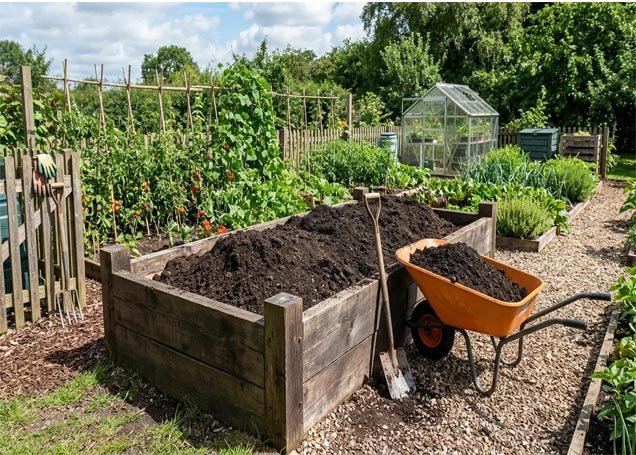
Choosing the best soil for raised garden beds is one of the most important steps in growing healthy vegetables, herbs, and flowers. Whether you are building your first raised bed or improving an existing garden, the right soil mixture can make a significant difference in plant growth, root development, drainage, and long-term soil fertility.
Unlike traditional in-ground gardens, raised garden beds allow you to control the soil structure, organic matter, and growing conditions. However, filling a raised bed with ordinary garden dirt or low-quality topsoil can lead to poor drainage, soil compaction, and disappointing harvests.
The best soil for raised garden beds should be loose, nutrient-rich, well-draining, and capable of holding enough moisture to support healthy plant roots.
In this guide, you will learn how to choose the best garden soil for raised beds, prepare a balanced raised garden soil mixture, calculate how much soil you need, and maintain fertile soil throughout the growing season.
What Is the Best Soil for Raised Garden Beds?
The best soil for raised garden beds is generally a balanced mixture of mineral soil and mature organic matter that provides good drainage, adequate moisture retention, and essential nutrients.
Healthy raised bed soil should have several important characteristics:
- Good drainage: Excess water should move through the soil without leaving roots waterlogged.
- Moisture retention: Soil should hold enough moisture between watering sessions.
- Loose structure: Roots need space to grow and access oxygen.
- Organic matter: Finished compost improves soil structure and supports soil organisms.
- Balanced nutrients: Vegetables require nitrogen, phosphorus, potassium, and other essential nutrients.
- Suitable soil pH: Many common vegetables grow well in slightly acidic to near-neutral soil, although requirements vary by crop.
For most home gardeners, a quality raised bed soil blend containing screened topsoil and finished compost is a practical starting point.
The exact proportions depend on the existing soil, local climate, crops, and the characteristics of the compost.
Why Raised Garden Beds Need the Right Soil
Raised beds are different from traditional garden plots because their growing medium is usually placed above the surrounding ground.
A well-prepared raised garden soil mixture provides several advantages:
- Better control over soil texture and composition.
- Improved drainage where native soil is heavy or poorly drained.
- Easier access for planting, weeding, and harvesting.
- Opportunities to improve soil with compost and organic matter.
- Reduced foot traffic and soil compaction.
However, raised beds can dry out faster than in-ground gardens, especially during hot summer weather.
Choosing the best soil for a raised garden bed means balancing drainage with sufficient moisture retention.
Best Soil Mix for Raised Garden Beds
The best soil mix for raised garden beds combines mineral soil, compost, and, when necessary, additional materials to improve aeration or moisture retention.
There is no single soil recipe that works perfectly in every garden. Soil texture, rainfall, bed depth, and vegetable requirements all affect the ideal mixture.
A Practical Raised Garden Soil Mixture
For a new raised bed where suitable screened topsoil is available, consider this starting blend:
| Ingredient | Suggested proportion | Main benefit |
|---|---|---|
| Quality screened topsoil | 60% | Provides mineral soil and structural support |
| Finished compost | 30% | Adds organic matter and nutrients |
| Suitable aeration material | Up to 10% | May improve structure when needed |
These proportions are a starting example, not a universal formula. If your topsoil already drains well, additional aeration material may be unnecessary. Some gardeners may obtain better results with a different topsoil-to-compost ratio.
Avoid adding excessive compost simply because it is organic. Too much compost can create nutrient imbalances, high soluble salt levels, or excessive phosphorus.
1. Quality Topsoil
Topsoil forms the mineral foundation of many successful raised bed soil mixes.
Good topsoil should be relatively loose, free from construction debris, and suitable for growing plants.
When purchasing topsoil, look for:
- A crumbly texture rather than hard, compacted clumps.
- Minimal stones, plastic, or other debris.
- No known contamination.
- A reasonable balance of sand, silt, and clay.
Avoid purchasing unknown fill dirt and assuming it will function as high-quality garden soil.
2. Finished Compost
Compost is an important component of the best garden soil for raised beds because it adds organic matter and improves soil structure.
Finished compost can help:
- Improve moisture retention.
- Support beneficial soil organisms.
- Improve soil aggregation.
- Supply some plant nutrients.
- Increase the soil’s ability to hold nutrients.
Use mature, stable compost rather than fresh manure or incompletely decomposed organic material.
If you want to understand compost types and how to choose them, read our detailed guide to Compost for Raised Bed Garden.
3. Aeration Materials
Some raised garden soil mixtures benefit from additional coarse materials that help maintain pore spaces.
Depending on your soil blend, options include horticultural perlite, pumice, or appropriately sized pine bark fines.
However, adding these materials is not always necessary. Well-structured loamy soil with mature compost may already provide excellent drainage and aeration.
Best Soil for a Raised Bed Vegetable Garden
Choosing the best soil for a raised bed vegetable garden depends partly on which crops you plan to grow.
Vegetables differ in root depth, nutrient demand, moisture requirements, and preferred soil conditions.
A raised bed filled with healthy loamy soil and finished compost can support a wide range of vegetables.
Best Soil for Tomatoes in Raised Beds
Tomatoes prefer fertile, well-drained soil with consistent moisture.
For tomato raised beds:
- Use loose, well-drained garden soil.
- Incorporate mature compost.
- Maintain consistent watering.
- Apply mulch to reduce evaporation.
- Use a soil test to guide fertilizer applications.
Avoid excessive nitrogen fertilizer, which can encourage leafy growth at the expense of fruit production.
Best Soil for Lettuce and Leafy Greens
Lettuce, spinach, kale, and other leafy greens generally perform well in fertile soil with consistent moisture.
The best soil mix for raised garden beds containing leafy greens should be loose enough for root development while retaining moisture during warm weather.
Finished compost can improve moisture retention, but the soil should not remain saturated.
Best Soil for Carrots and Root Vegetables
Carrots, radishes, and similar root crops benefit from loose, stone-free soil.
For root vegetables:
- Remove large stones and hard clumps.
- Avoid compacted soil.
- Use well-decomposed organic matter.
- Maintain even moisture during germination.
Fresh manure should be avoided because it can contribute to poor root quality and introduces additional food-safety concerns.
Raised Bed Soil Requirements by Vegetable
| Vegetable | Preferred soil characteristics | Important consideration |
|---|---|---|
| Tomatoes | Fertile, well-drained loam | Consistent moisture |
| Lettuce | Moisture-retentive, fertile soil | Avoid drying out |
| Carrots | Deep, loose, stone-free soil | Prevent compaction |
| Peppers | Well-drained, fertile soil | Avoid waterlogging |
| Cucumbers | Organic-rich, well-drained soil | Regular watering |
| Radishes | Loose, moderately fertile soil | Even moisture |
The best soil for raised garden beds should support the crops you intend to grow rather than follow one rigid recipe.
How to Make the Best Soil for Raised Garden Beds
You can prepare a raised garden soil mixture yourself instead of purchasing a complete commercial blend.
Making your own soil mix allows you to inspect the ingredients and adjust the blend for your growing conditions.
Step 1: Choose Quality Ingredients
Start with screened topsoil from a reputable supplier and mature compost.
If you are purchasing a large quantity, ask about the soil’s origin, composition, and whether testing information is available.
Step 2: Calculate Your Soil Volume
Measure the inside length, width, and filling depth of your raised bed.
Use the formula:
Length × Width × Soil Depth = Soil Volume
All measurements must use the same unit.
For example, a raised bed measuring 4 feet long, 8 feet wide, and 1 foot deep requires:
4 × 8 × 1 = 32 cubic feet of soil
Since one cubic yard contains 27 cubic feet:
32 ÷ 27 = approximately 1.19 cubic yards
Step 3: Mix the Ingredients
For an example 60% topsoil and 30% compost blend with 10% optional aeration material, a 32-cubic-foot raised bed would require approximately:
- 19.2 cubic feet of topsoil.
- 9.6 cubic feet of finished compost.
- 3.2 cubic feet of aeration material, if appropriate.
If additional aeration material is unnecessary, adjust the mineral soil portion rather than automatically adding perlite.
Mix the ingredients thoroughly so that the soil texture remains relatively consistent throughout the bed.
Step 4: Fill the Raised Bed
Add the raised garden soil mixture in manageable layers.
Spread the soil evenly without heavily compacting it. Water gently to help the material settle naturally.
Leave a little space below the top edge of the bed for mulch and watering.
Step 5: Check Drainage
Water the soil and observe how it behaves.
Healthy raised bed soil should absorb water without leaving persistent puddles.
If the soil remains waterlogged, investigate drainage problems before planting.
Raised Bed Soil Calculator: How Much Soil Do You Need?
Calculating soil volume before buying materials can help prevent unnecessary expense and repeated trips to the garden center.
Use this simple guide:
| Raised bed size | Soil depth | Soil required |
|---|---|---|
| 4 × 4 feet | 12 inches | 16 cubic feet |
| 4 × 6 feet | 12 inches | 24 cubic feet |
| 4 × 8 feet | 12 inches | 32 cubic feet |
| 4 × 8 feet | 18 inches | 48 cubic feet |
| 4 × 10 feet | 12 inches | 40 cubic feet |
These calculations assume the entire measured volume is filled with soil. Actual requirements may differ if the bed contains existing soil or other materials.
Should You Buy Soil by the Bag or Cubic Yard?
Bagged raised bed soil can be convenient for smaller gardens.
Bulk soil is often more practical for larger projects, although pricing and quality vary by supplier.
Before purchasing, compare:
- Cost per cubic foot or cubic yard.
- Delivery charges.
- Ingredient quality.
- Soil testing information.
- Ease of handling.
For large raised beds, buying a tested bulk soil blend may reduce the number of bags required.
Best Bagged Soil for Raised Garden Beds vs. Bulk Soil
Many garden centers sell products labeled raised bed soil, garden soil, or planting mix.
However, product names alone do not guarantee that a soil blend is suitable for every raised bed.
Bagged Raised Bed Soil
Bagged products are convenient for gardeners who need relatively small quantities.
Advantages include easy transportation, labeled ingredients, and consistent packaging.
However, some bagged mixes contain a high percentage of lightweight organic materials and may settle considerably after watering.
Bulk Raised Bed Soil
Bulk soil is useful when filling several large beds.
Advantages include the ability to purchase larger quantities and potentially select a custom blend.
Before ordering, inspect the soil when possible and ask whether the supplier offers laboratory testing results.
Comparison Table
| Feature | Bagged raised bed soil | Bulk raised bed soil |
|---|---|---|
| Best suited for | Small raised beds | Larger garden projects |
| Transportation | Easy in small quantities | Often requires delivery |
| Ingredient information | Usually printed on packaging | Depends on supplier |
| Cost efficiency | Varies by product | May be better for large volumes |
| Quality consistency | Depends on manufacturer | Depends on supplier |
| Custom blending | Limited | Often more flexible |
The best soil for raised garden beds is not necessarily the most expensive product. Soil quality and suitability matter more than packaging.
What Is the Best Soil pH for Raised Garden Beds?
Soil pH affects nutrient availability and plant growth.
Many common garden vegetables perform well in soil with a pH of approximately 6.0–7.0, although individual crop preferences differ.
A soil test is the most reliable way to determine whether pH adjustment is necessary.
Avoid adding lime or sulfur without understanding the existing soil pH and the requirements of your crops.
Why Soil Testing Matters
A laboratory soil test can provide information about:
- Soil pH.
- Available nutrients.
- Organic matter, where included.
- Fertilizer recommendations.
- Potential nutrient imbalances.
Contact your local Cooperative Extension office to find appropriate soil testing services in your state.
How Deep Should Soil Be in a Raised Garden Bed?
Soil depth influences root development, water storage, and crop selection.
Shallow-rooted vegetables can grow in relatively shallow beds, while larger vegetables and root crops benefit from more available rooting depth.
A raised bed does not always need to contain the entire root system above ground. When the bed has an open bottom and suitable native soil underneath, roots can grow into the soil below.
Suggested Raised Bed Depths
| Growing situation | Suggested soil depth |
|---|---|
| Leafy greens and small herbs | Approximately 6–8 inches or more |
| Mixed vegetable gardening | Around 12 inches or more |
| Larger crops and deeper root development | 12–18 inches or more where practical |
| Beds placed on hard surfaces | Crop-dependent; deeper soil may be necessary |
These are general planning guidelines, not strict minimums for every crop.
The best soil for a raised bed vegetable garden should provide adequate rooting space, good drainage, and sufficient moisture.
How to Improve Raised Bed Soil Drainage
Drainage is one of the most important characteristics of a healthy raised garden soil mixture.
Poor drainage limits oxygen availability around plant roots and can increase the risk of root problems.
Ways to Improve Drainage
Use a suitable soil texture. Avoid filling raised beds entirely with heavy clay or compacted fill dirt.
Maintain organic matter. Mature compost can improve soil structure, particularly in mineral soils.
Avoid walking on raised beds. Foot traffic compresses soil and reduces pore space.
Check the bottom of the bed. Raised beds with open bottoms generally allow water and roots to move into suitable native soil.
Avoid unnecessary gravel layers. Adding gravel beneath the growing soil does not reliably improve drainage and can create an unfavorable boundary between materials.
If a raised bed is located on concrete or another impermeable surface, drainage openings and a suitable container-style growing system become especially important.
How to Improve Moisture Retention in Raised Bed Soil
Raised beds can lose moisture quickly during hot weather.
The best garden soil for raised beds should retain enough water for plant roots without remaining saturated.
Add Organic Matter
Mature compost can improve the water-holding capacity of many mineral soils.
However, compost should be added in reasonable quantities based on soil conditions and test results.
Apply Organic Mulch
A layer of clean straw, shredded leaves, or another appropriate mulch can reduce evaporation.
Keep mulch away from direct contact with plant stems.
Water Consistently
Water deeply enough to moisten the active root zone.
Check soil moisture before watering rather than following a rigid daily schedule.
Drip irrigation or soaker hoses can help deliver water efficiently to raised garden beds.
Common Mistakes When Choosing the Best Soil for Raised Garden Beds
Even experienced gardeners can encounter problems when preparing raised bed soil.
Mistake 1: Using Only Garden Dirt
Ordinary garden soil may be too compacted or poorly drained when transferred into a raised bed.
A suitable blend should maintain good structure after watering and settling.
Mistake 2: Adding Too Much Compost
Compost is beneficial, but excessive amounts can create nutrient imbalances or high salt levels.
A soil test can help determine whether additional organic amendments are necessary.
Mistake 3: Using Fresh Manure
Fresh manure can contain pathogens and may damage plants.
For edible gardens, use properly processed materials and follow established food-safety guidance.
Mistake 4: Ignoring Soil pH
Adding fertilizer without checking pH may not solve a nutrient availability problem.
Test the soil before making major amendments.
Mistake 5: Allowing Soil to Become Compacted
Avoid standing or walking inside raised beds.
Use paths between beds so the growing soil remains loose.
Mistake 6: Replacing All the Soil Every Year
Healthy raised bed soil generally does not need complete annual replacement.
Instead, monitor soil quality, replenish organic matter when appropriate, and correct specific problems.
How to Maintain the Best Soil for Raised Garden Beds Every Year
Raised bed soil changes over time as organic matter decomposes, nutrients are absorbed, and the soil settles.
Regular maintenance helps preserve the quality of your raised garden soil mixture.
Spring Soil Preparation
Before planting:
- Remove weeds and unwanted plant debris.
- Inspect the soil for compaction or drainage problems.
- Test the soil when needed.
- Add mature compost if soil conditions justify it.
- Apply fertilizer according to crop requirements and soil test recommendations.
Avoid turning the soil excessively when it is wet.
Summer Soil Care
During the growing season:
- Maintain consistent soil moisture.
- Use organic mulch.
- Monitor plant growth and nutrient deficiencies.
- Avoid excessive fertilizer applications.
- Remove weeds before they become established.
Fall Soil Improvement
After harvesting, consider planting suitable cover crops or applying clean organic mulch to protect exposed soil.
Remove diseased plant material when appropriate and follow local recommendations for managing plant diseases.
These practices can help maintain the best soil for raised garden beds over multiple growing seasons.
Best Soil for Raised Garden Beds in Different US Climates
The best raised bed soil mixture can vary depending on climate.
Hot and Dry Regions
In parts of Arizona, Nevada, and the southwestern United States, raised beds may dry out quickly.
Focus on moisture retention, appropriate organic matter, mulch, and efficient irrigation.
Humid Regions
In humid areas of the southeastern United States, good drainage and adequate soil aeration are particularly important.
Avoid soil mixes that remain saturated after heavy rainfall.
Cooler Northern Regions
In northern states, raised beds may warm earlier in spring than surrounding ground soil.
However, soil moisture, frost dates, and crop selection still require attention.
Choose soil materials that provide a stable structure through seasonal temperature changes.
Frequently Asked Questions About the Best Soil for Raised Garden Beds
What is the best soil for raised garden beds?
The best soil for raised garden beds is typically a well-drained, fertile mixture of quality mineral topsoil and mature compost. The ideal proportions depend on soil texture, climate, and the crops being grown.
What is the best soil mix for raised garden beds?
A practical starting mixture is approximately 60% screened topsoil, 30% finished compost, and up to 10% suitable aeration material if needed. Adjust the proportions based on the characteristics of your ingredients.
What soil is best for raised garden beds growing vegetables?
The best soil for a raised bed vegetable garden is loose, fertile, well-drained soil with adequate organic matter and a suitable pH for the intended crops.
Can I use regular garden soil in raised beds?
Yes, suitable garden soil can be part of a raised bed mixture. However, heavy or compacted soil may need improvement, and contaminated soil should not be used for growing edible crops.
Should I mix compost with soil for raised garden beds?
Yes, mature compost can improve soil structure, moisture retention, and nutrient availability. The amount needed depends on the existing soil and compost quality.
Is topsoil or raised bed soil better?
Neither is automatically better. High-quality topsoil mixed with appropriate organic matter can work very well. Commercial raised bed soil can also be effective when its ingredients suit your gardening conditions.
How often should I replace raised bed soil?
Raised bed soil generally does not need to be replaced every year. Regular maintenance, soil testing, and targeted amendments are usually more practical.
Do raised garden beds need fertilizer?
Many vegetables benefit from supplemental nutrients, but fertilizer requirements depend on the existing soil and crops. A soil test helps avoid unnecessary applications.
What is the best soil for a raised garden bed with tomatoes?
Tomatoes grow well in fertile, well-drained soil with consistent moisture. A quality mineral soil and mature compost blend is a useful starting point.
How much soil do I need for a 4×8 raised garden bed?
A 4×8-foot raised bed filled to a depth of 12 inches requires 32 cubic feet, or approximately 1.19 cubic yards, of soil.
Final Thoughts: Choosing the Best Soil for Raised Garden Beds
Choosing the best soil for raised garden beds starts with understanding how soil structure, drainage, moisture retention, organic matter, and nutrients work together.
A well-balanced raised garden soil mixture supports strong root development and helps vegetables grow successfully throughout the season.
For most home gardeners, quality screened topsoil combined with mature compost provides a useful foundation. Additional amendments should be selected according to soil conditions rather than added automatically.
Whether you are growing tomatoes, lettuce, carrots, peppers, or herbs, the best soil for a raised bed vegetable garden is one that supports healthy roots, drains properly, and provides adequate nutrients.
Start with good ingredients, test your soil when needed, and maintain it regularly. With proper care, your raised bed soil can remain productive for many growing seasons.