
Table of Contents
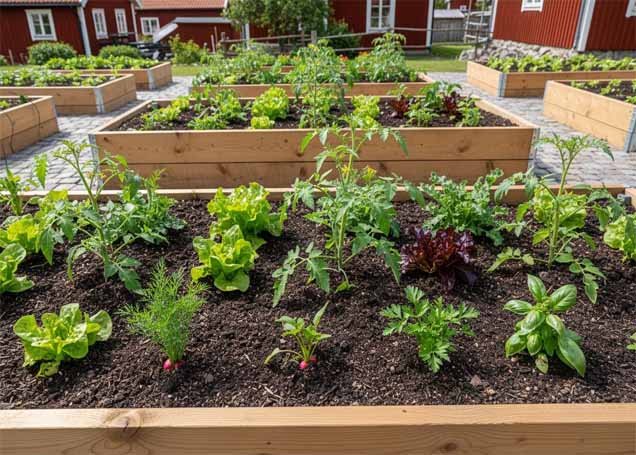
A productive raised bed starts with healthy soil, and compost is one of the most useful ingredients for creating it. Whether you’re growing tomatoes, lettuce, carrots, peppers, or fresh herbs, choosing the right compost for raised bed garden soil can make a significant difference in how well your plants grow.
Compost improves soil structure, helps retain moisture, supports beneficial soil organisms, and contributes nutrients as organic matter breaks down. However, using too much compost or choosing an unfinished product can create problems for young plants.
Many beginners wonder whether they should fill an entire raised bed with compost, mix compost with garden soil, or simply spread it over the surface. The answer depends on the existing soil, the compost’s quality, and the vegetables you plan to grow.
In this guide, you’ll learn how to choose the best compost for raised beds, calculate how much you need, create a balanced soil mixture, and maintain healthy growing conditions throughout the gardening season.
1. Why Compost Is Important for Raised Bed Gardening
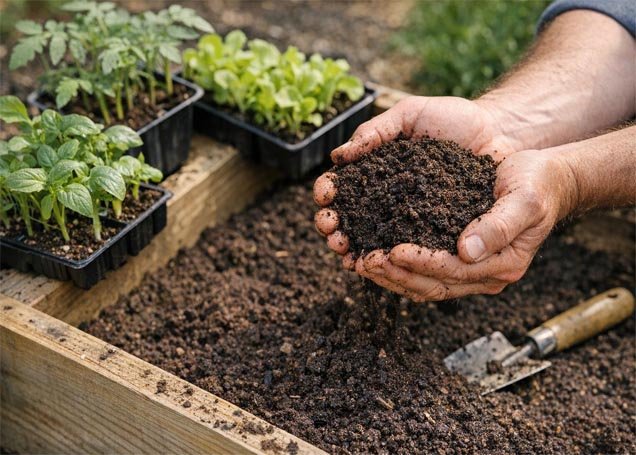
Raised beds give gardeners greater control over their growing environment, but the quality of the growing medium still determines how successfully roots develop.
Adding mature compost to raised garden soil offers several benefits.
Improves Soil Structure
Compost contributes organic matter that helps improve soil aggregation. In heavy mineral soils, this can encourage better aeration and drainage. In sandy soils, organic matter can help improve moisture retention.
Supports Soil Microorganisms
Finished compost introduces and supports organisms involved in breaking down organic matter and cycling nutrients.
These biological processes contribute to healthy soil over time.
Helps Soil Hold Moisture
Organic matter can increase the amount of water that soil retains for plant use.
This is especially valuable in raised beds, which may dry out relatively quickly during warm weather.
Contributes Plant Nutrients
Compost supplies varying amounts of nitrogen, phosphorus, potassium, and other nutrients.
However, nutrient concentrations depend on the materials used and the composting process. Compost alone may not meet every crop’s nutritional needs.
Makes Soil Easier to Work With
A well-balanced mixture of mineral soil and mature compost can produce a loose, workable growing medium suitable for vegetables and herbs.
For gardeners who want to improve their soil for raised bed gardening, compost is a valuable amendment rather than a complete substitute for soil.
2. What Is the Best Compost for Raised Beds?
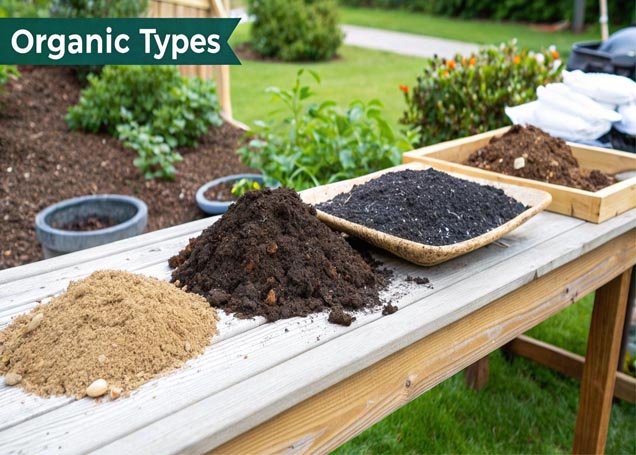
Not all compost products have the same properties. The best compost for raised beds is mature, free from problematic contaminants, and appropriate for the crops being grown.
Finished Plant-Based Compost
Plant-based compost is made from decomposed materials such as leaves, grass clippings, and garden waste.
When properly processed, it can improve soil structure and contribute organic matter.
Look for compost that is dark, crumbly, and earthy-smelling, without recognizable fresh food scraps or excessive heat.
Leaf Compost
Decomposed leaves, often called leaf mold, are particularly useful for improving soil structure and moisture retention.
Leaf mold may contain fewer available nutrients than some other composts, so it is often better treated as a soil conditioner rather than a complete fertilizer.
Composted Animal Manure
Properly composted manure can contribute nutrients and organic matter.
However, manure-based compost may contain relatively high concentrations of soluble salts or phosphorus.
Choose a reputable supplier and avoid using fresh manure directly around edible crops.
Commercial Compost
Bagged compost can be convenient for small raised beds, particularly when you need a predictable amount.
Read the product label carefully to determine whether you’re purchasing finished compost, composted manure, or a complete raised-bed soil mix.
Important: A product labeled “garden soil” is not necessarily the same as compost. Soil mixes often contain mineral components as well as organic matter.
3. How Much Compost Should You Add to a Raised Garden Bed?
One of the most common questions about compost for raised garden beds is how much to add.
There is no universal compost-to-soil ratio suitable for every situation.
The right amount depends on the existing soil, the compost’s nutrient content, and the amount of organic matter already present.
For a new raised bed using ordinary mineral garden soil, a practical starting point is often around 10–25% finished compost by volume, with the remainder consisting of suitable soil or other components of a tested raised-bed mix.
This is a starting range, not a universal requirement. If you purchase a complete raised-bed soil blend that already contains compost, you may not need to add more.
Compost-to-Soil Ratio Examples
| Compost Portion | Soil Portion | Consideration |
|---|---|---|
| 10% | 90% | Modest amendment for soil that already has organic matter |
| 20% | 80% | Possible starting mix for mineral soil |
| 25% | 75% | Richer blend; check compost quality and soil needs |
| 50% | 50% | Often unnecessarily high; may increase salt or nutrient concerns |
| 100% | 0% | Not recommended as a general-purpose raised-bed growing medium |
For a typical vegetable garden, avoid assuming that adding more compost will always produce better results.
Excessive compost can contribute to elevated phosphorus, soluble salts, and other imbalances.
Example: Compost for a 4 × 8-Foot Raised Bed
Suppose your raised bed measures:
- Length: 8 feet
- Width: 4 feet
- Soil depth: 12 inches
The total soil volume is:
8 × 4 × 1 = 32 cubic feet
For a starting mixture containing 20% compost:
32 × 0.20 = 6.4 cubic feet of compost
The remaining volume would be:
32 − 6.4 = 25.6 cubic feet of suitable soil
This calculation is especially useful when preparing a new soil mix for raised garden beds.
If your bed already contains soil, calculate only the amount of compost required for the amendment you intend to make.
4. How to Mix Compost With Raised Bed Soil
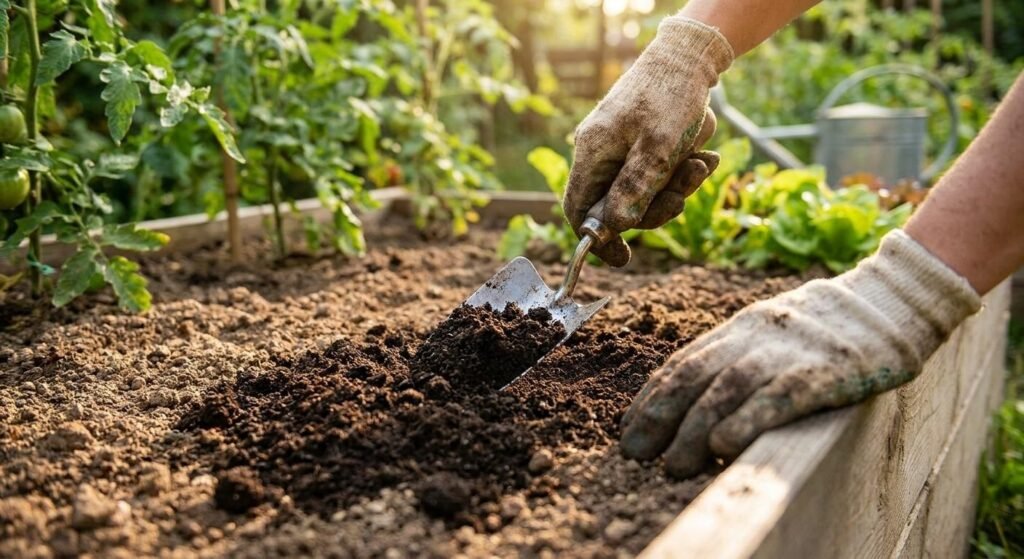
A balanced soil mix helps vegetables develop healthy roots and access moisture and nutrients.
When preparing a new raised bed, follow these steps.
Step 1: Inspect the Existing Soil
Determine whether you’re starting with native mineral soil, purchased topsoil, or an existing raised-bed mix.
Avoid using soil that may be contaminated by chemicals, heavy metals, or other pollutants.
Step 2: Choose Mature Compost
Select compost that has finished decomposing and is suitable for vegetable gardening.
Unfinished compost may temporarily affect nutrient availability and create unsuitable conditions around young roots.
Step 3: Measure the Materials
Use the bed’s internal length, width, and desired soil depth to estimate its volume.
Measure compost as a proportion of the total soil mixture rather than adding an arbitrary number of bags.
Step 4: Blend the Components
For a new bed, distribute the compost evenly through the growing medium.
If you’re amending an established bed, lightly incorporate compost into the upper soil layer when appropriate, taking care not to damage plant roots.
Step 5: Water and Allow the Soil to Settle
Moisten the soil and check how much it settles.
Top up with an appropriate growing medium if necessary, leaving enough room below the frame’s edge for watering and mulch.
Step 6: Test Before Adding More Nutrients
A laboratory soil test can help identify pH and nutrient concerns.
This is particularly useful for established beds that have received compost every year.
For instructions on constructing your growing space, see our How to Build a Raised Garden: A Step-by-Step Guide for Beginners.
5. When Should You Add Compost to Raised Beds?
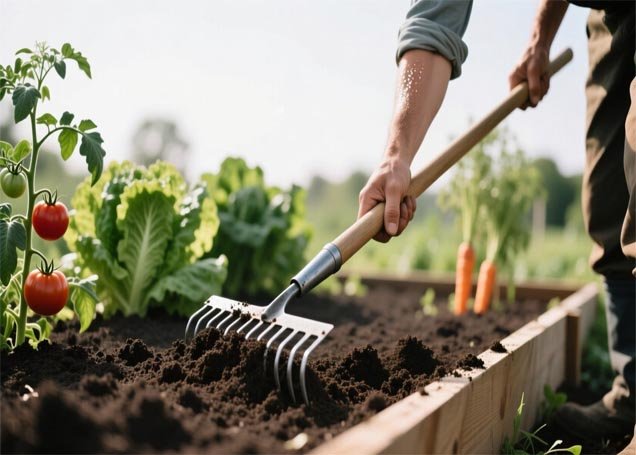
Compost can be incorporated during the initial construction of a raised bed or added periodically to improve established soil.
The best timing depends on your growing schedule and the condition of the soil.
Before Spring Planting
Spring is a convenient time to evaluate soil condition and add compost if needed.
If the bed already contains a nutrient-rich soil mixture, additional compost may be unnecessary.
During Fall Garden Preparation
Fall is another opportunity to improve soil and protect the surface before winter.
A modest application of mature compost can be combined with mulching or appropriate cover cropping.
During the Growing Season
A thin surface application of mature compost may be useful around established plants when soil conditions warrant it.
Avoid piling compost directly against plant stems.
How Often Should You Add Compost?
You do not automatically need to add compost every year.
Soil organic matter, nutrient levels, crop removal, and previous compost applications should guide the decision.
An established raised bed with excessive phosphorus may benefit from reduced compost applications rather than more organic amendments.
6. Common Compost Mistakes That Can Harm Raised Garden Beds
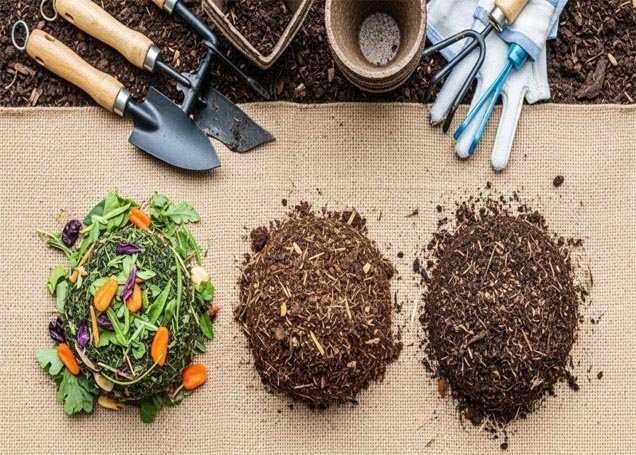
Compost is beneficial when used appropriately, but several common mistakes can interfere with plant growth.
Mistake 1: Filling the Entire Bed With Compost
Pure compost can settle significantly and may not provide the balanced physical structure or nutrient conditions that vegetable roots need.
Use a suitable growing medium containing both mineral and organic components.
Mistake 2: Using Unfinished Compost
Compost that is still actively decomposing can generate heat or contain compounds unsuitable for young seedlings.
Use mature compost for direct planting applications.
Mistake 3: Adding Too Much Manure-Based Compost
Manure compost may be rich in phosphorus and soluble salts.
Repeated heavy applications can create long-term soil fertility problems.
Mistake 4: Ignoring Soil Tests
Vegetable plants require balanced nutrients, not simply high levels of organic matter.
A soil test helps identify whether additional compost or fertilizer is actually needed.
Mistake 5: Using Contaminated Materials
Compost produced from unknown sources may contain unwanted chemicals, plastic fragments, or persistent herbicide residues.
Purchase compost from reputable suppliers and ask about feedstocks and testing where appropriate.
Mistake 6: Confusing Compost With Mulch
Compost and mulch can both improve garden conditions, but they serve different primary purposes.
Compost is commonly incorporated into soil or used as a soil amendment. Mulch is generally placed on the surface to conserve moisture and suppress weeds.
Mistake 7: Overlooking Watering and Drainage
Even high-quality raised bed compost cannot compensate for consistently waterlogged or severely dry soil.
Check moisture regularly and ensure your bed drains appropriately.
7. How to Maintain Healthy Compost-Rich Raised Bed Soil
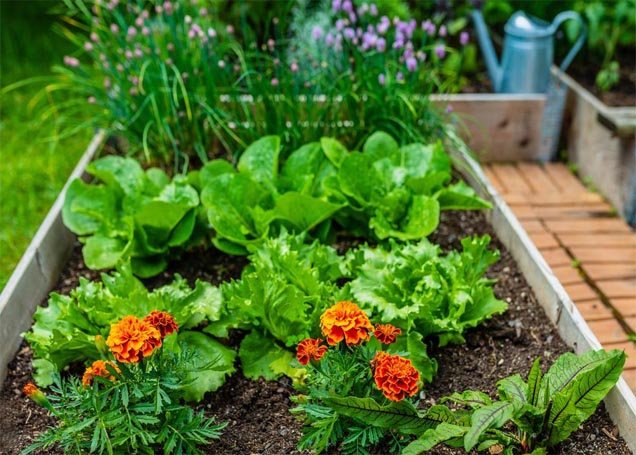
Creating a healthy soil mixture is only the beginning.
Over time, plant roots, microorganisms, rainfall, irrigation, and harvesting all influence the growing environment.
Keep Soil Covered
Use appropriate organic mulch or cover crops to protect the soil surface from erosion and excessive drying.
Avoid Soil Compaction
Design your raised bed so that you can reach plants without stepping onto the growing area.
Rotate Crops When Practical
Changing crop families between seasons can help manage some pests and diseases.
Rotation is not a complete solution, especially in very small beds, but it can form part of a broader garden management plan.
Monitor Plant Growth
Yellowing leaves, poor growth, or unusual symptoms may have several causes, including nutrient problems, pests, disease, or improper watering.
Avoid assuming that every problem requires more compost.
Replenish Organic Matter Thoughtfully
Compost decomposes over time, but the rate varies according to temperature, moisture, and soil biology.
Use soil testing and plant performance to guide future amendments.
If you’re new to growing vegetables, our How to Start Vegetable Gardening article explains additional beginner-friendly techniques.
Compost vs. Garden Soil vs. Raised Bed Soil
Understanding the difference between these products can prevent costly mistakes.
| Material | Main Purpose | Suitable for Filling an Entire Raised Bed? |
|---|---|---|
| Finished compost | Improves soil and contributes organic matter | Generally no |
| Mineral garden soil | Provides structural growing medium | Depends on texture and drainage |
| Commercial raised-bed mix | Ready-to-use growing medium | Usually yes, if designed for that purpose |
| Composted manure | Organic amendment and nutrient source | Generally no |
| Leaf mold | Improves soil structure and moisture retention | Generally no |
For most new vegetable beds, a suitable raised-bed soil mix is a better starting point than compost alone.
Can You Make Your Own Compost for Raised Garden Beds?
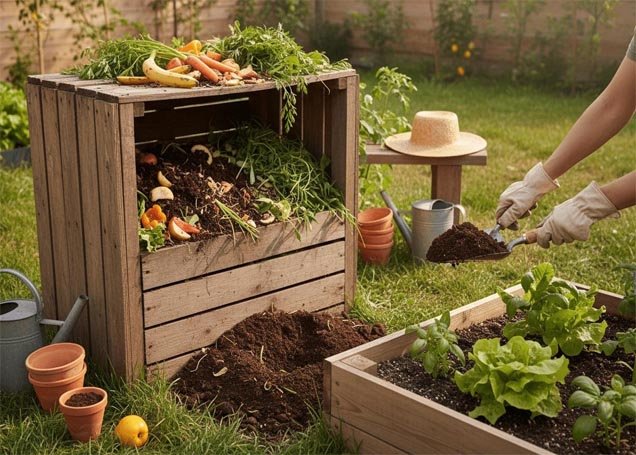
Making compost at home can reduce organic waste and provide a useful amendment for your garden.
A backyard compost pile typically combines carbon-rich materials, such as dry leaves and shredded cardboard, with nitrogen-rich materials, such as fresh grass clippings and vegetable scraps.
Maintain suitable moisture and aeration so that decomposer organisms can work effectively.
The finished material should be stable and well decomposed before use.
Avoid adding pet waste, diseased plant material that your system cannot safely process, or materials contaminated with persistent herbicides.
For beginners, purchasing verified finished compost may be simpler than producing enough homemade compost for a large raised bed.
How Much Compost Do Different Vegetables Need?
Different vegetables have different nutrient requirements, but this does not mean each crop requires a fixed compost percentage.
| Vegetable | General Soil Preference | Compost Guidance |
|---|---|---|
| Tomatoes | Fertile, well-draining soil | Use mature compost based on soil needs |
| Lettuce | Moisture-retentive, fertile soil | Moderate organic matter is helpful |
| Carrots | Loose soil without obstacles | Avoid excessive fresh organic amendments |
| Peppers | Well-draining, fertile soil | Avoid overfertilization |
| Bush beans | Well-draining soil | Often need less supplemental nitrogen |
| Spinach | Fertile soil with consistent moisture | Test soil before adding nutrients |
| Radishes | Loose, evenly moist soil | Avoid excessive nitrogen |
For vegetable raised beds, the goal is balanced fertility and good soil structure rather than the highest possible compost content.
Frequently Asked Questions About Compost for Raised Bed Garden
What is the best compost for raised beds?
Mature, clean, well-processed compost from a reputable source is generally suitable. The best choice depends on your soil’s existing nutrient levels and the compost’s composition.
Can I use compost instead of soil in a raised bed?
Using compost as the entire growing medium is generally not recommended. Most vegetable beds perform better with a balanced mixture containing mineral soil and appropriate organic matter.
What is a good compost-to-soil ratio for raised beds?
For a new mineral-soil mixture, approximately 10–25% finished compost by volume can be a reasonable starting range. However, the ideal amount depends on soil testing, compost quality, and existing organic matter.
Can I use garden soil in raised beds?
Yes, suitable garden soil can form part of a raised-bed mixture. Very heavy or compacted soil may need improvement, and potentially contaminated soil should not be used for edible crops.
Is mushroom compost good for raised garden beds?
Spent mushroom substrate may be useful in some situations, but its nutrient and soluble salt levels can vary. Check product quality and avoid excessive applications.
Should I add compost before planting vegetables?
If your raised bed soil needs organic matter or nutrients, mature compost can be added before planting. A complete commercial raised-bed mix may already contain sufficient compost.
How often should I add compost to my raised garden?
Add compost according to soil conditions rather than a fixed annual schedule. Established beds may accumulate excessive phosphorus if compost is applied heavily every year.
Can too much compost damage plants?
Yes. Excessive compost may increase soluble salts or certain nutrient concentrations, potentially affecting plant growth and soil balance.
Is homemade compost better than store-bought compost?
Both can work well. Homemade compost offers control over ingredients, while reputable commercial products may provide more consistent processing and testing.
How do I know when compost is ready to use?
Finished compost is typically dark, crumbly, relatively stable in temperature, and earthy-smelling. Appearance alone does not guarantee safety or maturity, so use reliable processing methods.
Final Thoughts
Choosing the right compost for raised bed garden soil is one of the most important steps toward successful vegetable gardening.
Compost improves soil structure, contributes organic matter, and supports the biological processes that help plants grow. But healthy raised beds require more than simply adding large amounts of compost.
Start with a suitable soil mixture, use mature compost in appropriate quantities, monitor moisture, and test established soil before adding more nutrients.
Whether you’re preparing a new raised garden or improving an existing vegetable bed, thoughtful compost management can help create a productive growing environment for many seasons.
References and Further Reading
For additional research and gardening guidance, consult these university extension resources:
- University of Minnesota Extension — Composting, soil health, and vegetable gardening.
- University of Maryland Extension — Soil testing, compost, and raised-bed gardening.
- Oregon State University Extension — Compost use and soil management.
- Penn State Extension — Composting and vegetable garden soil fertility.
- University of New Hampshire Extension — Soil amendments and home composting.