
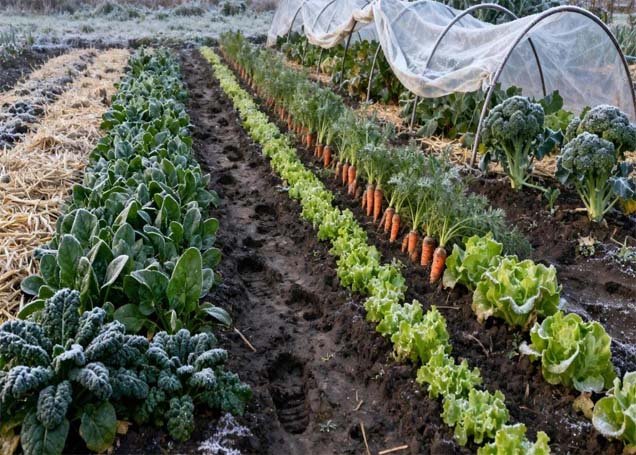
Table of Contents
Winter doesn’t have to mean the end of your vegetable garden. With the right crops, good timing, and a little protection from freezing temperatures, you can continue growing fresh vegetables long after summer tomatoes and peppers have finished producing.
Many winter vegetables, including kale, spinach, carrots, and Brussels sprouts, tolerate chilly weather surprisingly well. Some even develop a sweeter flavor after exposure to cool temperatures.
Whether you garden in a mild Southern climate or experience freezing winters in the Northern United States, this guide will help you choose suitable cold-hardy vegetables, understand planting times, and protect your crops.
You’ll discover 15 vegetables to grow in winter, practical growing tips, and ways to create a productive winter vegetable garden—even in a small backyard or raised bed.
What Are Winter Vegetables?
Winter vegetables are crops that can grow, survive, or be harvested during the colder months of the year.
Most belong to a group commonly called cool-season crops. Unlike heat-loving vegetables such as tomatoes, cucumbers, and peppers, these plants generally prefer moderate or cool growing conditions.
However, there is an important difference between surviving winter and actively growing during winter.
In areas with mild winters, vegetables may continue growing throughout the season. In colder regions, some crops survive beneath protective covers but grow very slowly when daylight is limited.
Winter vegetable gardening therefore depends on three factors:
- Your local climate and USDA Plant Hardiness Zone
- The crop’s tolerance for freezing temperatures
- The amount of sunlight and protection available
A well-planned winter garden can provide fresh greens, roots, and other nutritious produce when outdoor growing conditions are less favorable.
15 Best Winter Vegetables to Grow
These cold-hardy vegetables are excellent candidates for fall planting, winter harvesting, or overwintering, depending on your climate.
1. Kale
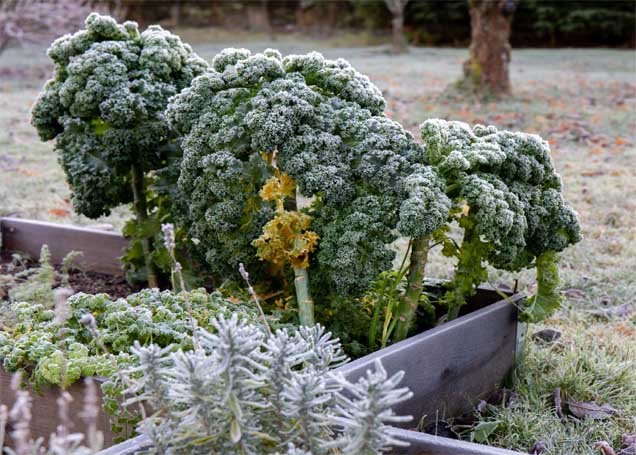
Kale is one of the most reliable vegetables for cold-weather gardening. Established plants tolerate frost, and cool temperatures can improve the flavor of their leaves.
Growing tips: Plant in fertile, well-drained soil with full sun or partial shade. Harvest outer leaves regularly while leaving the center intact.
Best for: Garden beds, raised beds, and containers.
2. Spinach
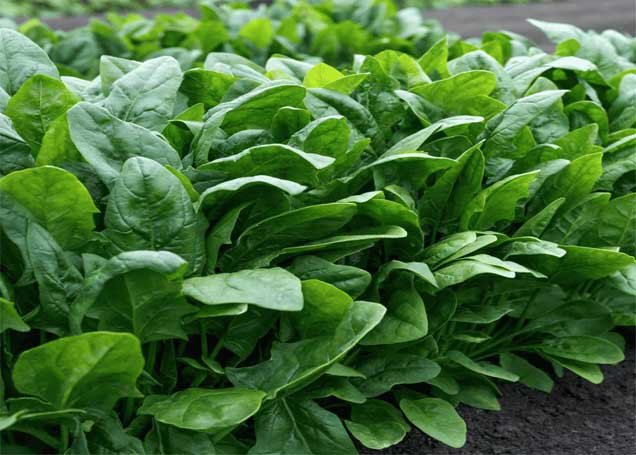
Spinach is a classic cool-season vegetable that grows best in cooler temperatures.
Plant it in fall for autumn harvesting or overwinter it for an early spring crop.
Growing tips: Sow seeds directly into prepared soil. Keep the soil evenly moist during establishment and use row covers during severe cold.
Best for: Cool-season salads and early spring harvests.
3. Carrots
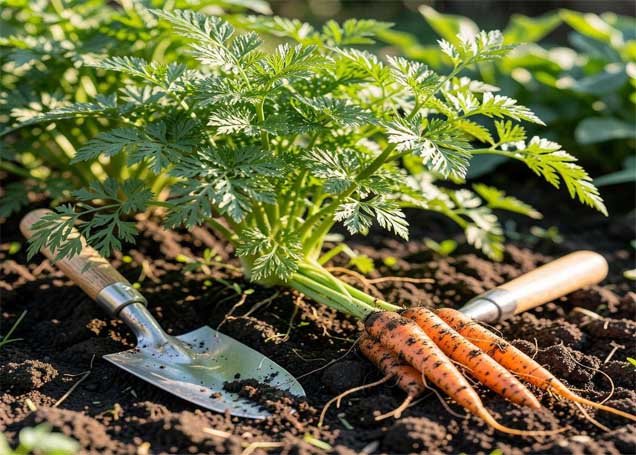
Carrots are excellent winter root vegetables. Cool weather often improves their sweetness as the plants accumulate sugars.
In suitable climates, mature carrots can remain in the ground beneath a thick layer of mulch for later harvesting.
Growing tips: Sow directly into loose, stone-free soil. Thin seedlings to prevent overcrowding.
Best for: Raised beds and deep garden soil.
4. Brussels Sprouts
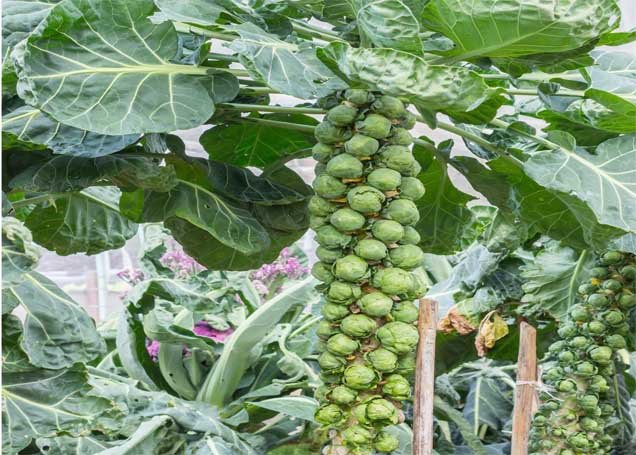
Brussels sprouts are slow-growing vegetables that benefit from cool autumn conditions.
They are usually started well before winter because they require a long growing season.
Growing tips: Provide full sun, fertile soil, and consistent moisture. Harvest firm sprouts from the lower part of the stalk upward.
Best for: Gardeners who plan their fall and winter crops early.
5. Swiss Chard
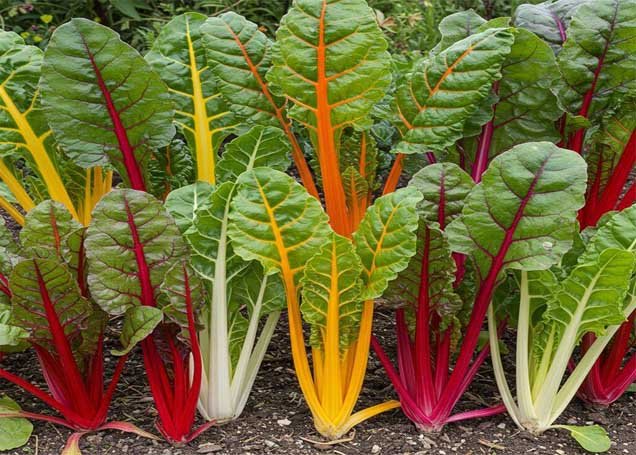
Swiss chard produces nutritious leafy greens and colorful stems. Established plants tolerate light frost, although prolonged hard freezes can damage them.
Growing tips: Plant in fertile soil and harvest outer leaves frequently.
Best for: Mild-winter regions and protected gardens.
6. Cabbage
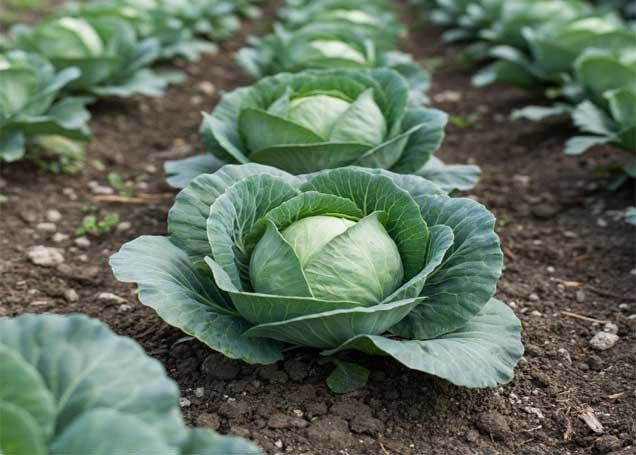
Cabbage grows well during cool weather and is a useful crop for fall and winter harvesting.
Different varieties mature at different rates, so selecting an appropriate variety is important.
Growing tips: Maintain steady soil moisture and protect young plants from cabbage worms and other pests.
Best for: Fall planting and cool-weather harvesting.
7. Broccoli
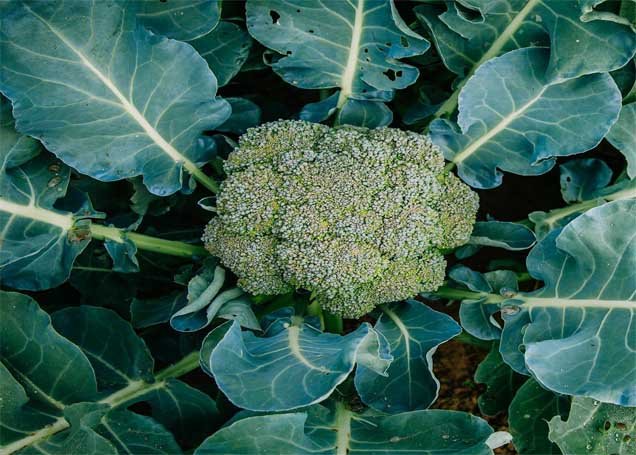
Broccoli is a cool-season crop that performs best when temperatures are moderate.
In warmer parts of the United States, it can be an excellent winter garden vegetable.
Growing tips: Grow in full sun and fertile soil. Harvest the main head before its flower buds begin opening.
Best for: Mild winters and fall-to-winter harvests.
8. Cauliflower
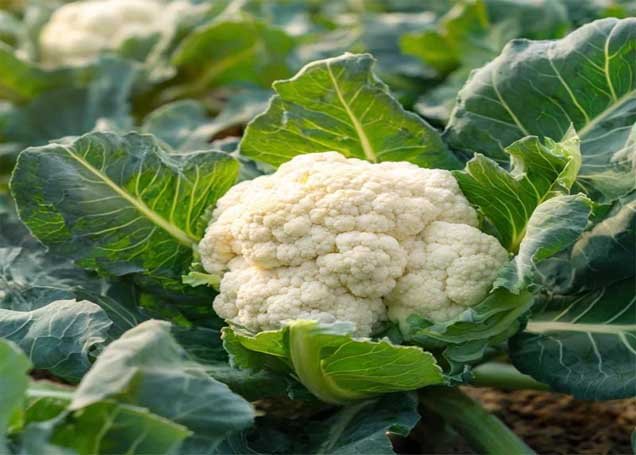
Cauliflower prefers cool, stable temperatures but is generally less tolerant of extreme cold than kale or spinach.
It is particularly suitable for winter production in regions with mild climates.
Growing tips: Maintain consistent moisture and avoid exposing developing heads to major temperature fluctuations.
Best for: Southern and coastal growing regions
9. Radishes
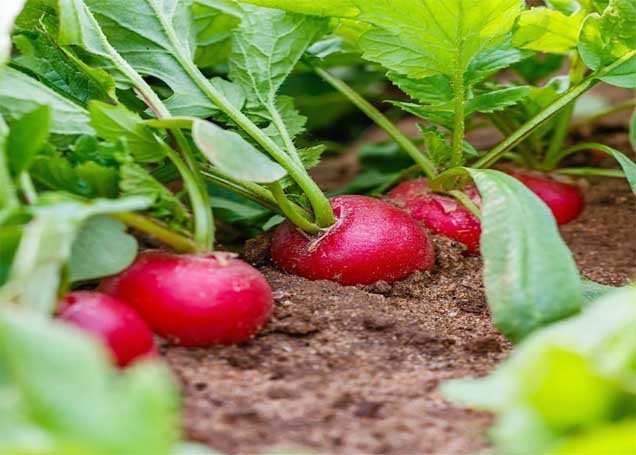
Radishes are among the fastest-growing cool-season vegetables.
Many spring radish varieties mature in approximately three to five weeks under favorable conditions, although cold winter weather slows growth.
Growing tips: Direct-sow seeds into loose soil and keep them evenly watered.
Best for: Beginners and small garden spaces.
10. Turnips
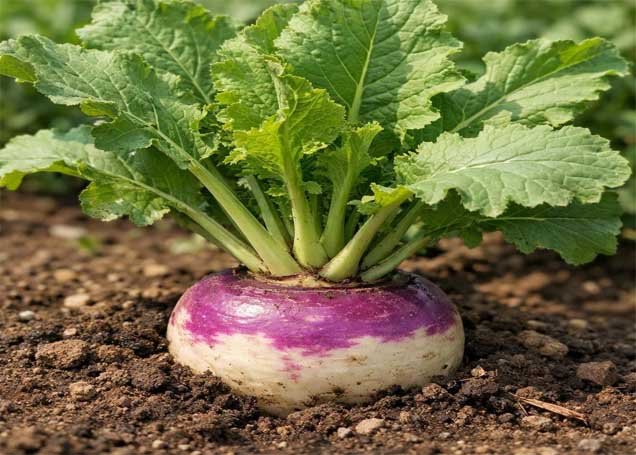
Turnips produce edible roots and nutritious leafy tops. They grow best in cool conditions and can tolerate light frost.
Growing tips: Sow seeds directly in garden soil. Harvest smaller roots for a tender texture and milder flavor.
Best for: Fall harvests and mild-winter gardens.
11. Leeks
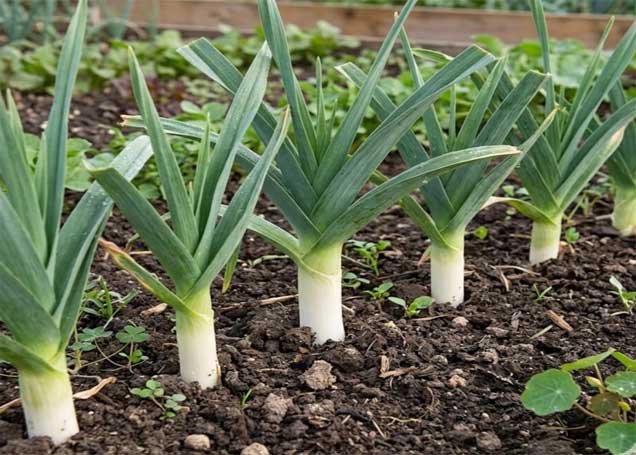
Leeks are useful winter crops because some varieties tolerate freezing temperatures once established.
They require a long growing season and are often started months before winter.
Growing tips: Choose winter-hardy varieties and gradually mound soil around the stems as they grow.
Best for: Gardeners seeking long-season winter crops.
12. Peas
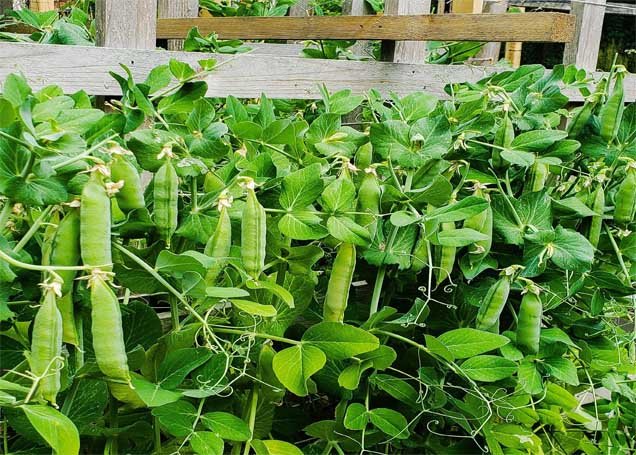
Peas thrive in cool weather but are not suited to prolonged severe freezes without protection.
In mild-winter climates, gardeners can grow them during the cooler months.
Growing tips: Provide a trellis for climbing varieties and plant in well-drained soil.
Best for: Mild Southern winters and early spring crops.
13. Garlic
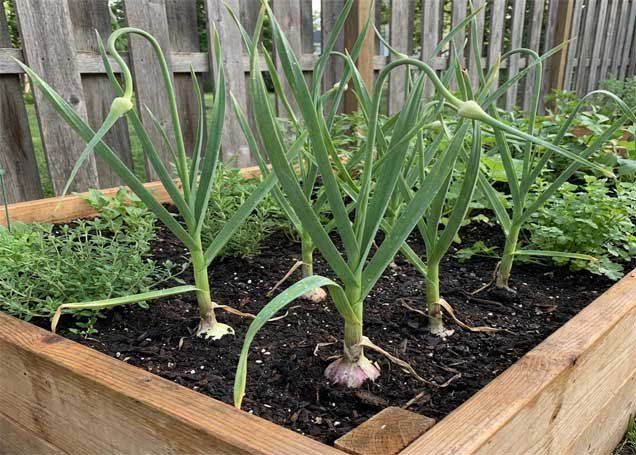
Garlic is commonly planted in fall and harvested the following summer.
It is an excellent overwintering crop, although it is not normally harvested as mature bulbs during winter.
Growing tips: Plant individual cloves with their pointed ends facing upward. Apply mulch to moderate soil temperatures.
Best for: Fall planting and summer harvesting.
14. Collard Greens
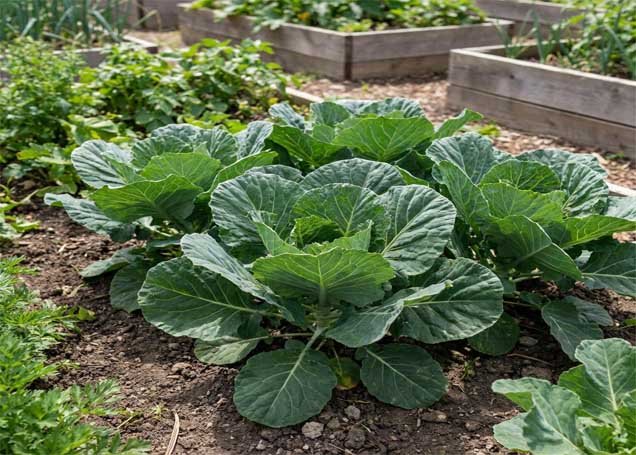
Collard greens are particularly popular in Southern gardens and perform well in cool conditions.
Established plants tolerate frost, and the leaves can remain productive through much of a mild winter.
Growing tips: Plant in nutrient-rich soil and harvest mature outer leaves.
Best for: Southern USA winter gardens.
15. Mâche (Corn Salad)
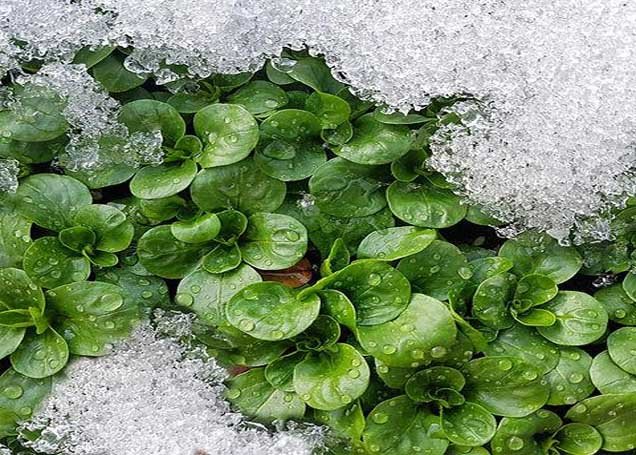
Mâche, also called corn salad or lamb’s lettuce, is a particularly cold-tolerant salad green.
It grows slowly in cool conditions and is useful for winter harvesting in protected beds.
Growing tips: Sow in late summer or fall and keep the soil moist during germination.
Best for: Cold frames and winter salad gardens.
Winter Vegetables Comparison Chart
Use this table to select crops based on your garden’s climate and available space.
| Vegetable | Cold tolerance | Typical winter use |
|---|---|---|
| Kale | High | Winter harvest |
| Spinach | High | Protected winter harvest |
| Carrots | High when established | Harvest from mulched soil |
| Brussels sprouts | Moderate–high | Late fall/winter harvest |
| Swiss chard | Moderate | Mild-winter harvest |
| Cabbage | Moderate–high | Cool-season harvest |
| Broccoli | Moderate | Mild-winter harvest |
| Cauliflower | Moderate | Mild-winter harvest |
| Radishes | Moderate | Fast cool-season crop |
| Turnips | Moderate | Fall/winter harvest |
| Leeks | High for hardy varieties | Winter harvest |
| Peas | Moderate | Mild-winter crop |
| Garlic | High when established | Overwinter for summer bulbs |
| Collard greens | High | Winter greens |
| Mâche | High | Protected winter harvest |
Cold tolerance varies by variety, plant maturity, soil conditions, and the duration of freezing temperatures.
When to Plant Winter Vegetables in the USA
One of the biggest mistakes beginners make is waiting until winter arrives before planting their winter crops.
In many parts of the country, the best time to establish a winter vegetable garden is actually late summer or fall.
This gives plants time to develop strong roots and leaves before temperatures fall and daylight becomes limited.
Winter Vegetable Planting Guide by USDA Zone
| USDA Zone | General strategy | Suitable examples |
|---|---|---|
| Zones 3–4 | Plant hardy crops in late summer; use substantial protection | Kale, spinach, carrots |
| Zones 5–6 | Establish fall crops early; use mulch and cold frames | Spinach, kale, leeks |
| Zones 7–8 | Grow many cool-season vegetables through fall and parts of winter | Broccoli, cabbage, carrots |
| Zones 9–10 | Use winter as a major cool-season growing period | Lettuce, peas, cauliflower |
| Zone 11 | Grow cool-season crops during the mildest months | Greens, radishes, carrots |
These are broad guidelines, not exact planting dates. USDA Hardiness Zones describe average annual extreme minimum temperatures, not first frost dates, seasonal daylight, or the complete local growing climate.
For accurate planting dates, consult your local Cooperative Extension Service and average first-frost information.
How to Start a Winter Vegetable Garden
Creating a successful winter vegetable garden requires more planning than simply planting seeds in cold soil.
Follow these steps to improve your chances of success.
Step 1: Choose a Sunny Location
Most vegetables benefit from at least six hours of direct sunlight daily, although some leafy greens tolerate partial shade.
Winter sunlight is weaker and daylight hours are shorter, so choose the brightest available location.
Avoid low-lying areas where cold air collects.
Step 2: Prepare Well-Drained Soil
Healthy soil is essential for growing winter vegetables.
Improve garden beds with finished compost and remove weeds before planting.
Avoid working soil when it is waterlogged, as this can damage its structure.
A soil test can help determine whether nutrients or pH adjustments are necessary.
Step 3: Select Cold-Hardy Vegetable Seeds
Choosing appropriate varieties is just as important as choosing the right vegetable.
Look for seed packets labeled with terms such as:
- Cold-hardy
- Frost-tolerant
- Fall planting
- Overwintering
- Short-season
The keyword winter vegetable seeds is useful when researching suitable varieties, but remember that not every variety of a winter crop has the same cold tolerance.
Step 4: Plant Before Severe Cold Arrives
Vegetables grow more slowly as temperatures and daylight decrease.
Calculate your planting date using the crop’s expected days to maturity, local frost dates, and the slower growth expected in fall.
For crops intended to overwinter, allow enough time for establishment before prolonged freezing weather.
Step 5: Apply Mulch
Organic mulch helps insulate soil, moderate temperature fluctuations, and suppress weeds.
Suitable materials include clean straw, shredded leaves, and other appropriate organic materials.
Keep mulch away from plant crowns when necessary to reduce excess moisture and rot.
Step 6: Protect Plants from Freezing Temperatures
Use appropriate season-extension materials when frost or freezing weather threatens.
Floating row covers, low tunnels, and cold frames can provide useful protection.
They do not guarantee plant survival during extreme cold, and enclosed structures may require ventilation on sunny days.
How to Protect Winter Vegetables from Frost
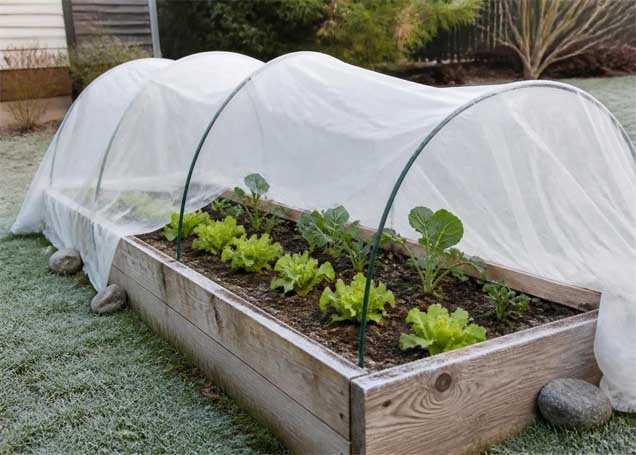
Frost protection is especially important when growing winter vegetables in Northern states.
Use Floating Row Covers
Lightweight garden fabric can help retain warmth and protect plants from wind.
Secure the edges so cold air does not easily enter.
Avoid placing heavy, wet fabric directly on delicate plants if it could damage them.
Build a Low Tunnel
A low tunnel consists of hoops placed over a garden bed and covered with suitable fabric or greenhouse film.
It can extend the growing season, especially when combined with cold-hardy crops.
Ventilate plastic-covered tunnels when temperatures rise to prevent overheating.
Grow Vegetables in a Cold Frame
A cold frame is a low, enclosed growing structure with a transparent top.
It captures solar warmth and offers some protection against wind and freezing conditions.
Cold frames are particularly useful for leafy greens such as spinach and mâche.
Protect Container Vegetables
Container soil can freeze more quickly than soil in the ground.
Move suitable containers into a sheltered outdoor location, group them together, or insulate the containers during cold weather.
Plants still need adequate light and occasional watering.
Best Winter Vegetables for Raised Beds
Raised beds are popular because they offer good drainage, convenient access, and easier installation of row covers.
However, their soil may also cool or freeze faster than in-ground beds because more surface area is exposed.
Good raised-bed winter crops include kale, spinach, carrots, radishes, turnips, and mâche.
For successful winter gardening in raised beds, use healthy soil, mulch appropriately, and install protective covers before severe weather arrives.
Can You Grow Winter Vegetables in Containers?
Yes. Container gardening is a practical option for people with patios, balconies, or small backyards.
Choose pots with drainage holes and enough depth for the crop’s roots.
Some suitable options include:
- Spinach in wide containers
- Kale in large individual pots
- Radishes in shallow-to-medium-depth containers
- Swiss chard in deep containers
- Leafy salad greens in window boxes
Use a quality potting mix rather than compacted garden soil.
Remember that containers need more attention during freezing weather. A plant that survives winter in the ground may experience greater root damage in an exposed pot.
Common Winter Vegetable Gardening Mistakes
Even experienced gardeners can encounter problems when growing cold-weather crops.
Planting Too Late
Short winter days slow plant development. Seeds sown too late may germinate but fail to reach a useful harvest size before growth nearly stops.
Solution: Plan fall planting dates in advance.
Choosing Heat-Loving Crops
Tomatoes, peppers, cucumbers, and eggplants generally cannot tolerate freezing temperatures.
Solution: Focus on crops suited to cool-season growing conditions.
Overwatering
Cold soil often dries more slowly than warm summer soil.
Solution: Check soil moisture before watering and avoid saturated conditions.
Ignoring Ventilation
Plastic tunnels and cold frames can become surprisingly warm on sunny days.
Solution: Open or vent protective structures when needed.
Assuming Every Cold-Hardy Crop Is Freeze-Proof
Even frost-tolerant vegetables have limits.
Solution: Consider the crop variety, maturity, temperature, wind, and duration of cold exposure.
Winter Vegetable Garden Maintenance Checklist
Weekly garden checklist
0 of 7 completedCheck soil moisture before wateringInspect leaves for pests and diseaseSecure row covers before cold weatherVentilate cold frames on sunny daysRemove badly damaged plant materialHarvest mature vegetables regularlyCheck mulch and drainage after storms
Copy checklist
Frequently Asked Questions About Winter Vegetables
What vegetables grow best in winter?
Kale, spinach, carrots, collard greens, leeks, and mâche are among the best choices. Their suitability depends on your local climate and the amount of winter protection provided.
What can you grow in winter without a greenhouse?
In mild climates, you can grow kale, spinach, carrots, cabbage, broccoli, radishes, and several other cool-season vegetables outdoors. In colder climates, protective covers or established overwintering crops are often necessary.
What are the most frost-tolerant vegetables?
Established kale, spinach, mâche, certain leek varieties, and some collard greens can tolerate considerable cold. Actual survival depends on the variety and growing conditions.
Can vegetables grow under snow?
Some cold-hardy vegetables can survive beneath snow, which may insulate plants from extreme temperature changes. However, growth is usually minimal during very cold, low-light conditions.
Can I plant winter vegetables in December?
In mild regions, December can be suitable for planting certain cool-season crops. In colder regions with frozen soil, it is usually too late for direct outdoor sowing without specialized protection.
What is the difference between winter crops and cool-season crops?
Cool-season crops prefer relatively low growing temperatures. Winter crops are plants specifically grown, harvested, or maintained through the winter season. Many winter crops are cool-season vegetables, but not all cool-season crops can withstand severe winter conditions.
Which winter vegetables are easiest for beginners?
Kale, spinach, radishes, and carrots are good starting points. Radishes mature relatively quickly, while established kale and spinach can be useful for cold-season harvesting.
Do winter vegetables need fertilizer?
They need adequate nutrients, but fertilizer requirements depend on soil fertility and crop needs. Avoid excessive nitrogen applications, especially when growth is slow. Use soil test results to guide fertilization.
Final Thoughts
Growing winter vegetables is a rewarding way to extend your gardening season and enjoy homegrown produce beyond the traditional summer months.
The key is to choose suitable cold-hardy crops, plant them early enough to establish before winter, and protect them according to your local climate.
Start with a few reliable vegetables such as kale, spinach, carrots, and radishes. As you gain experience, experiment with leeks, Brussels sprouts, collard greens, and other winter crops.
With thoughtful planning, even a small garden can remain productive during the colder months.
References and Further Reading
These authoritative resources provide additional information about winter vegetable gardening, frost protection, and planting schedules:
- USDA Plant Hardiness Zone Map — Understanding regional winter temperature patterns.
- University of Minnesota Extension — Vegetable gardening and cold-climate growing advice.
- Oregon State University Extension — Fall and winter vegetable gardening resources.
- Penn State Extension — Vegetable production and season-extension guidance.
- University of Maine Cooperative Extension — Gardening in cold climates.
Read more: How to start a vegetable garden?
Read more: Gardening tips for beginners