
Growing pumpkins at home is one of the most rewarding gardening projects, especially when you want fresh pumpkins for fall decorations, Halloween, or homemade recipes. But successful pumpkin growing begins with one important question: When should you plant pumpkin seeds?
Plant too early, and cold soil may prevent germination. Plant too late, and your pumpkins may not mature before the first autumn frost.
In most parts of the United States, the best time to plant pumpkin seeds outdoors is after the last spring frost, when the soil has warmed to at least 65°F (18°C). For stronger germination, soil temperatures around 70–90°F (21–32°C) are generally preferable.
The exact planting time depends on your climate, pumpkin variety, and intended harvest date.
This guide explains when to plant pumpkins, how to grow pumpkins from seeds, the different pumpkin growing stages, and how to care for your plants until harvest.
When to Plant Pumpkin Seeds in the USA
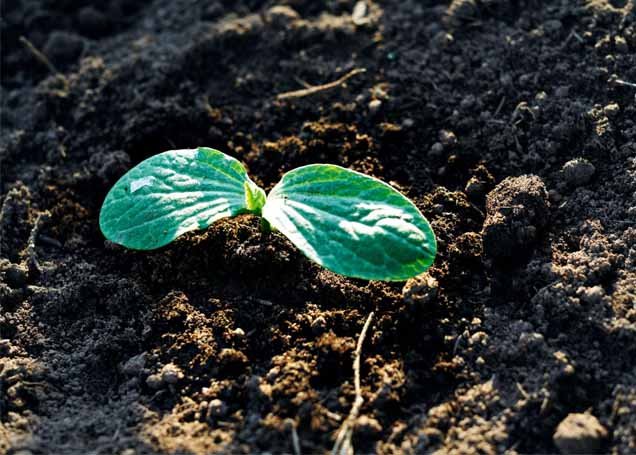
Pumpkins are warm-season plants that require frost-free growing conditions.
Unlike winter vegetables such as kale and spinach, pumpkin plants are sensitive to frost. Their leaves, vines, and developing fruit can be damaged by freezing temperatures.
The ideal planting date depends on three main factors:
- Your area’s average last spring frost date
- Soil temperature and local weather conditions
- The number of days your pumpkin variety needs to mature
For many US gardeners, outdoor pumpkin planting takes place between April and June. However, gardeners in warm Southern climates may plant earlier or grow pumpkins during a different seasonal window.
Always check local conditions rather than relying on a single nationwide planting date.
Pumpkin Planting Calendar by USDA Growing Zone
The following table provides broad planning windows for planting pumpkin seeds in different parts of the United States.
| USDA Zone | Approximate outdoor planting window | General advice |
|---|---|---|
| Zones 3–4 | Late May–June | Choose short-season varieties |
| Zones 5–6 | May–early June | Plant after frost danger passes |
| Zones 7–8 | April–May | Watch soil temperature and local frost dates |
| Zones 9–10 | March–April, or suitable local seasonal window | Avoid extreme summer heat during flowering |
| Zones 11+ | Depends heavily on local climate | Follow regional Extension planting calendars |
Important: USDA Plant Hardiness Zones describe average annual extreme minimum temperatures. They do not directly determine frost dates or ideal pumpkin planting times. The table is only a general guide; your local Cooperative Extension planting calendar is more reliable.
When to Plant Pumpkin Seeds in Northern States
In colder regions, including parts of Minnesota, Wisconsin, Michigan, and Maine, pumpkin planting often begins in late May or June.
Because the growing season is shorter, gardeners should select varieties with suitable days to maturity.
For example, a pumpkin requiring 90 days may be more practical than a giant variety requiring 120 days or longer.
When to Plant Pumpkin Seeds in Southern States
In warmer regions, pumpkins may be planted earlier in spring, but timing varies substantially.
In hot climates, extreme summer temperatures can interfere with flowering and fruit development. Some Southern regions also have planting windows designed to produce pumpkins for fall.
Consult local Extension recommendations for your county before selecting a planting date.
When to Plant Pumpkins for Halloween
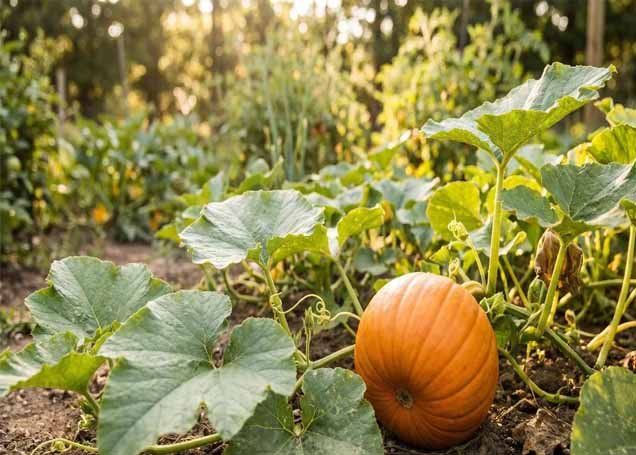
If your goal is to harvest pumpkins for Halloween, work backward from your desired harvest date.
Most common pumpkin varieties require approximately 90–120 days from sowing to maturity, although some mature sooner and giant varieties may take longer.
For an October harvest, many gardeners plant pumpkins in late spring or early summer.
Example Halloween Pumpkin Planting Schedule
| Days to maturity | Approximate planting target for late October |
|---|---|
| 80 days | Early August |
| 90 days | Late July |
| 100 days | Mid-July |
| 110 days | Early July |
| 120 days | Late June |
These dates are mathematical estimates, not universally safe planting recommendations. In many northern areas, August planting would be too late because of autumn frost. Also, pumpkins can be harvested earlier than Halloween and stored if fully mature and properly cured.
Best strategy: Choose a variety that matures before your area’s first expected fall frost, allowing extra time for slower growth or unfavorable weather.
How to Plant Pumpkin Seeds: Step-by-Step Guide
Pumpkins are relatively easy to grow from seed when they receive enough warmth, sunlight, moisture, and space.
Step 1: Choose the Right Pumpkin Seeds
Before planting pumpkin seeds, decide what type of pumpkin you want to grow.
Common choices include:
- Small decorative pumpkins for fall displays
- Medium carving pumpkins for Halloween
- Pie pumpkins for cooking and baking
- Large pumpkins for displays
- Giant pumpkins for competitions
Read the seed packet carefully. Pay attention to days to maturity, mature fruit size, vine spread, and disease resistance.
Step 2: Choose a Sunny Planting Location
Pumpkin plants need full sun.
Aim for at least 6–8 hours of direct sunlight daily, with more sunlight generally beneficial when moisture and temperature conditions are suitable.
Avoid planting in heavily shaded areas.
Pumpkin vines can spread several feet, so select a location with sufficient space.
Step 3: Prepare the Best Soil for Pumpkins
Pumpkins prefer fertile, well-drained soil containing organic matter.
A slightly acidic to neutral soil, generally around pH 6.0–7.0, is suitable.
Before planting:
- Remove weeds and debris.
- Loosen compacted soil.
- Incorporate finished compost where appropriate.
- Check drainage.
- Use a soil test to guide fertilizer applications.
Avoid adding excessive nitrogen fertilizer, which can encourage leafy growth at the expense of fruit development.
Step 4: Plant Pumpkin Seeds at the Correct Depth
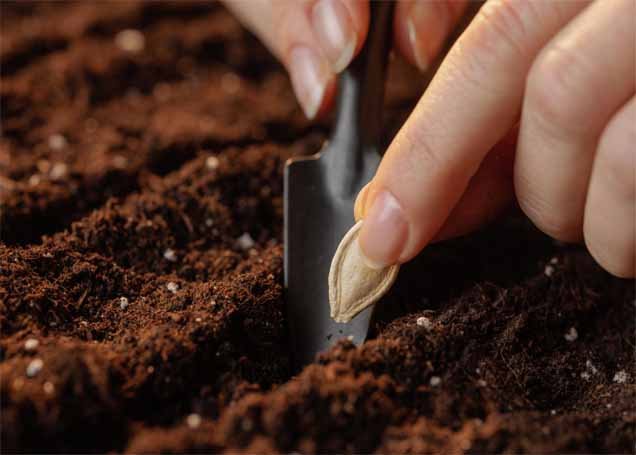
Once the soil is sufficiently warm:
- Make planting holes approximately 1 inch deep.
- Place two or three pumpkin seeds in each planting location.
- Cover lightly with soil.
- Water gently.
- Keep the soil evenly moist during germination.
After seedlings establish, thin to the strongest plant or the number recommended for your variety and growing method.
Pumpkin spacing varies greatly. Bush varieties may need much less room than vigorous vining varieties, so follow the seed packet rather than using one spacing rule for every pumpkin.
Step 5: Water Carefully
Keep the seedbed consistently moist but not waterlogged.
Excessively wet soil can encourage seed rot, particularly when temperatures are low.
Once pumpkin plants develop, water deeply enough to moisten the root zone, adjusting for rainfall, soil type, and weather.
How Long Do Pumpkin Seeds Take to Germinate?
Pumpkin seeds commonly germinate within approximately 5–10 days under favorable warm conditions.
Germination can take longer in cooler soil.
Several factors affect how quickly pumpkin seedlings appear:
| Factor | Effect on germination |
|---|---|
| Warm soil | Encourages faster germination |
| Cold soil | Slows or prevents germination |
| Consistent moisture | Supports seed development |
| Waterlogged soil | Increases risk of seed rot |
| Planting too deep | Can delay emergence |
| Old or poorly stored seeds | May reduce germination rates |
If your pumpkin seeds have not germinated after two weeks, check soil temperature, moisture, and seed quality.
Pumpkin Growing Stages: From Seed to Harvest
Understanding pumpkin growth stages helps you recognize whether your plants are developing normally.
Stage 1: Seed Germination
The seed absorbs moisture, develops a root, and sends a young shoot above the soil.
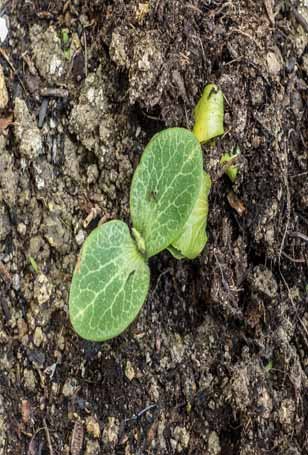
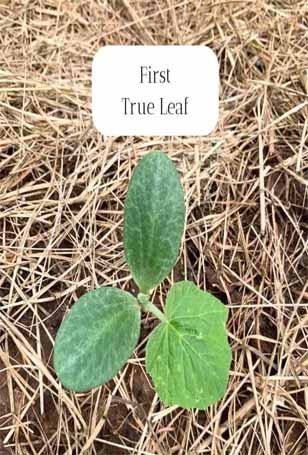
Stage 2: Seedling Development
The plant develops true leaves and establishes its root system.
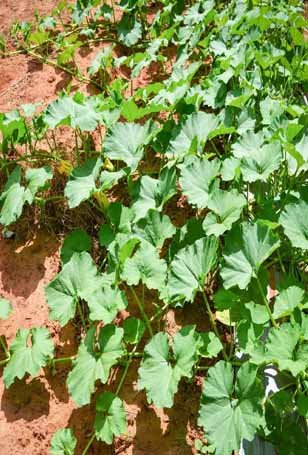
Stage 3: Vine Growth
The pumpkin plant produces long vines, large leaves, and tendrils.
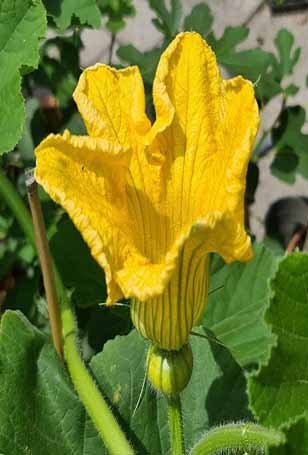
Stage 4: Flowering and Pollination
Male and female flowers develop. Pollination allows fruit to form.
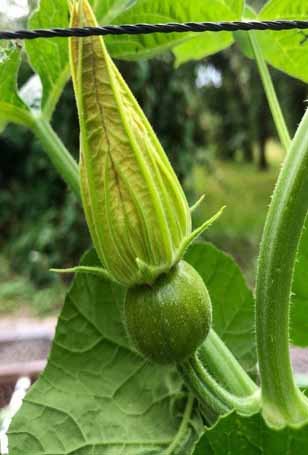
Stage 5: Fruit Development
Successfully pollinated pumpkins enlarge as the plant continues photosynthesis.
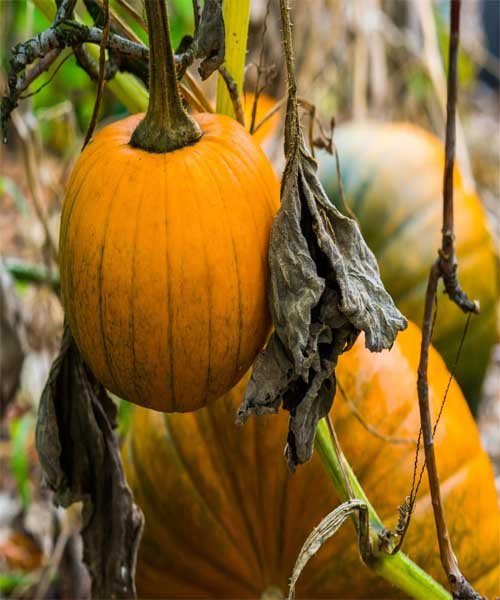
Stage 6: Ripening and Harvest
The pumpkin develops its mature color and a firm rind.
How Long Do Pumpkins Take to Grow?
The time required to grow pumpkins depends on the variety, climate, and growing conditions.
| Pumpkin type | Approximate days to maturity |
|---|---|
| Some miniature pumpkins | 85–100 days |
| Small pie pumpkins | 90–110 days |
| Medium carving pumpkins | 95–120 days |
| Large pumpkins | 110–130 days |
| Giant pumpkin varieties | 120–150+ days |
These ranges are illustrative. Always check the maturity period for your specific cultivar.
Cold weather, drought, pest damage, and poor pollination can delay development.
How to Care for Pumpkin Plants
Once pumpkin seedlings are established, consistent care helps them develop healthy vines and mature fruit.
Water Pumpkin Plants Deeply
Pumpkins need adequate moisture, especially during flowering and fruit development.
As a general starting point, many vegetable gardens need around 1–2 inches of water per week from rainfall and irrigation combined, depending on conditions.
Check soil moisture rather than following a rigid schedule.
Water near the soil surface when practical to reduce prolonged leaf wetness.
Mulch Around Pumpkin Vines
Organic mulch can help conserve soil moisture, suppress weeds, and reduce soil splashing onto leaves.
Straw and other clean organic mulches are commonly used.
Avoid piling mulch directly against young stems.
Support Pollination
Pumpkin plants produce separate male and female flowers.
Bees and other pollinators transfer pollen between flowers.
Encourage pollinators by growing flowering plants nearby and avoiding unnecessary pesticide use, especially during bloom.
Watch for Pumpkin Pests and Diseases
Common pumpkin problems include:
- Squash bugs
- Squash vine borers
- Cucumber beetles
- Powdery mildew
- Downy mildew
- Bacterial wilt
Regularly inspect leaves and stems.
Use regionally recommended integrated pest management methods and remove severely diseased plant material when appropriate.
How Many Pumpkins Grow Per Plant?
The number of pumpkins per plant varies by variety and growing conditions.
Some large-fruited varieties may produce only one or two mature pumpkins per vine, while smaller varieties can produce several fruits.
Factors influencing production include sunlight, plant spacing, soil fertility, moisture, pollination, and disease pressure.
Avoid assuming that every pumpkin plant will produce the same number of fruits.
Can You Grow Pumpkins in Pots?
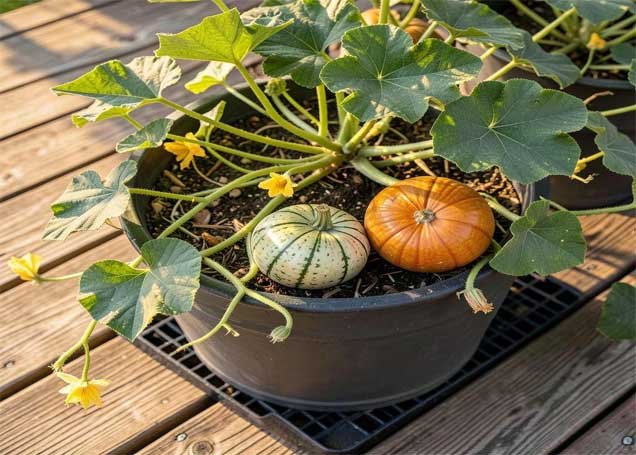
Yes, you can grow pumpkins in containers, particularly compact or bush varieties.
Choose a large container with drainage holes and enough space for root development. Many compact varieties benefit from containers holding at least 15–20 gallons, while vigorous varieties may require considerably more space.
Use a quality potting mix and place the container in full sun.
Container-grown pumpkin plants often require more frequent watering than plants grown in the ground.
Tip: Choose compact varieties rather than giant pumpkins for small patios or balconies.
Can You Grow Pumpkin Seeds from a Store-Bought Pumpkin?
You can sometimes grow pumpkins using seeds collected from a ripe pumpkin.
However, the resulting plants may not produce fruit identical to the original pumpkin.
This is especially common when the original pumpkin was a hybrid or was cross-pollinated with another compatible squash variety.
For predictable results, purchase seeds of a named cultivar from a reputable seed supplier.
If experimenting with fresh pumpkin seeds, clean off the pulp and dry them thoroughly before storing them for future planting.
How to Grow Bigger Pumpkins
Gardeners who want large pumpkins should begin with a variety genetically capable of producing large fruit.
Other helpful practices include adequate sunlight, fertile soil, consistent moisture, and enough space for the vines.
For very large pumpkin varieties, growers sometimes limit the number of developing fruits so the plant can direct resources toward fewer pumpkins.
However, excessive fertilization does not guarantee larger fruit and may harm plant health.
When to Pick Pumpkins
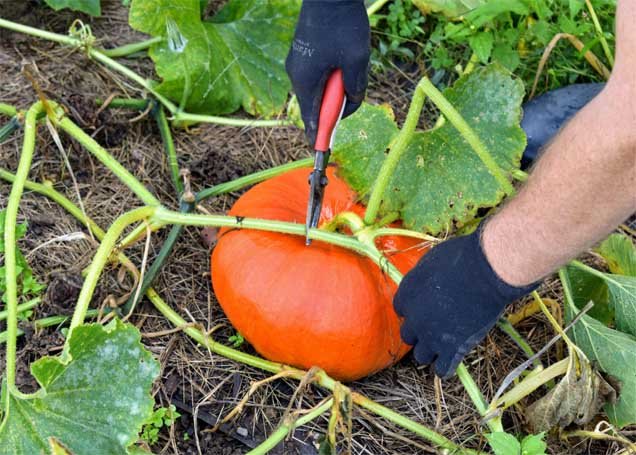
Knowing when to pick pumpkins is essential for good storage quality.
Look for these signs:
- The fruit has developed its characteristic mature color.
- The rind is firm and difficult to dent with a fingernail.
- The stem is becoming firm and corky.
- The pumpkin has reached the expected maturity period for its variety.
Do not rely on color alone because mature pumpkin varieties can be orange, white, green, blue-gray, or other colors.
Harvest before a hard freeze threatens the fruit.
When harvesting, leave several inches of stem attached. Avoid carrying pumpkins by the stem, which can break.
How to Store Pumpkins After Harvest
Mature, undamaged pumpkins can often be stored for weeks or months under suitable conditions.
For varieties that benefit from curing, follow cultivar-specific recommendations.
Store pumpkins in a dry, well-ventilated location with moderate, stable temperatures. Avoid freezing conditions and prolonged direct sunlight.
Check stored pumpkins regularly and discard any that develop significant decay.
Common Pumpkin Growing Mistakes
Planting Seeds in Cold Soil
Cold, wet soil can cause poor germination.
Solution: Wait until soil temperatures are suitable.
Planting Too Late
Pumpkins may not mature before the first fall frost.
Solution: Calculate planting dates using days to maturity and your local frost-free growing season.
Growing Plants Too Close Together
Crowded vines compete for light, water, and nutrients.
Solution: Follow spacing recommendations for your variety.
Overwatering or Poor Drainage
Saturated soil can damage roots.
Solution: Improve drainage and water according to actual soil moisture.
Ignoring Pollination
Poor pollination can cause developing fruits to stop growing.
Solution: Encourage bees and other pollinators.
Frequently Asked Questions
What month should you plant pumpkin seeds?
In many US regions, pumpkin seeds are planted outdoors between April and June. The best month depends on local frost dates, soil temperature, and the variety’s growing period.
Can you plant pumpkin seeds in July?
Yes, July planting can work in regions with a sufficiently long frost-free season, especially with faster-maturing varieties. In colder northern areas, July may be too late.
Do pumpkins need full sun?
Yes. Pumpkin plants generally perform best with at least 6–8 hours of direct sunlight per day.
How long does it take a pumpkin to grow?
Many pumpkin varieties take approximately 90–120 days from sowing to harvest, although some mature faster and giant varieties often need longer.
How deep should pumpkin seeds be planted?
Pumpkin seeds are commonly planted about 1 inch deep in warm, moist, well-drained soil.
Can you grow pumpkins from pumpkin seeds indoors?
Yes. Gardeners with short growing seasons can start seeds indoors roughly 2–3 weeks before transplanting, using biodegradable pots or careful handling to minimize root disturbance. Transplant only after frost danger has passed and the soil is warm.
How many pumpkins can one plant produce?
Production varies widely. Large pumpkin varieties may produce only a few fruits, while small-fruited varieties may produce several.
What is the best soil for pumpkins?
Fertile, well-drained soil rich in organic matter is ideal. A soil pH around 6.0–7.0 is generally suitable.
When should I plant pumpkins for Halloween?
Count backward from your desired harvest date using the variety’s days to maturity, then confirm that the planting date fits your local frost-free season. Many Halloween pumpkins are planted in late spring or early summer.
Can I grow a pumpkin inside another pumpkin?
You can experiment with planting seeds in a hollowed pumpkin, but the decaying fruit may become overly wet or moldy. Planting seeds directly in suitable garden soil or potting mix is generally more reliable.
Final Thoughts
The best time to plant pumpkin seeds depends on your climate, the last spring frost, soil warmth, and how long your selected variety needs to mature.
For most US gardeners, successful pumpkin growing begins after the soil has warmed and the danger of frost has passed.
Whether you want pumpkins for Halloween, cooking, or fall decorations, start with a suitable variety, give your plants plenty of sunshine and growing space, and maintain consistent moisture.
With good timing and care, your garden can produce a beautiful pumpkin harvest.
References and Further Reading
- USDA Plant Hardiness Zone Map — Regional cold-hardiness information.
- University of Minnesota Extension: Growing Pumpkins and Winter Squash — Planting, cultivation, and harvest guidance.
- University of Illinois Extension — Home vegetable gardening resources.
- Penn State Extension — Vegetable production and plant care.
- Oregon State University Extension — Regional vegetable gardening advice.
Read more: Winter Vegetables: 15 Best Crops
Know more: Planting Potatoes
Read more: How to Start Vegetable Gardening