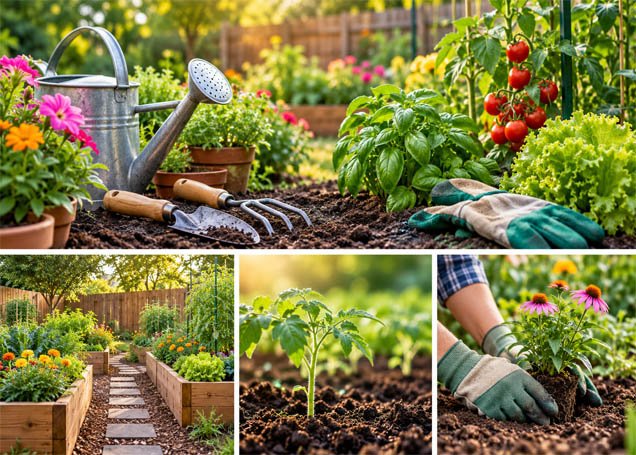
Gardening can transform any outdoor space into something beautiful, productive, and relaxing. Whether you have a large backyard, a small city plot, raised beds, or just a few containers on your patio, building good habits helps.
If you’re just starting, gardening might seem overwhelming. You may have questions about watering, soil, where to place your plants, when to fertilize, or which plants will thrive in your area.
The good news is you don’t need to know everything before you start. Success in gardening usually comes from understanding your space, choosing the right plants, and caring for them regularly.
These practical tips can help you grow a healthier garden, avoid common mistakes, and feel more confident as you go.
1. Understand Your Garden Before You Start
Before buying plants, take time to observe your outdoor space.
Different parts of the same yard can have surprisingly different growing conditions. One area may receive direct sunlight for most of the day, while another may become shaded by your home, fence, garage, or mature trees.
Pay attention to:
- How many hours of sunlight different areas receive
- Where rainwater collects
- Which areas dry quickly
- Existing soil conditions
- Exposure to strong wind
- Nearby trees and structures
- Convenient access to water
Noticing these details will help you find the best spot for each plant. Don’t choose a spot just because it looks good. If a plant needs plenty of sunlight, it won’t thrive in a shady corner, even with extra attention.
2. Know Your USDA Plant Hardiness Zone
If you live in the United States, knowing your USDA Plant Hardiness Zone can help, especially when choosing perennial plants.
The USDA Plant Hardiness Zone Map divides the country into zones based on average annual extreme minimum winter temperatures. You can search by ZIP code using the official USDA map.
Your hardiness zone can help you determine whether a perennial plant is likely to tolerate typical winter temperatures in your area. However, don’t depend only on the zone number when planning your garden.
Your local conditions can also be affected by rainfall, summer heat, humidity, frost dates, elevation, wind, soil, and even small microclimates around your property.
For annual flowers and vegetables, local planting dates and crop-specific temperature requirements can matter most.
3. Pay Attention to Sunlight
Sunlight is one of the most important factors in gardening.
Plant labels commonly use terms such as:
Full sun: Plants generally need substantial direct sunlight.
Part sun/part shade: Plants can perform with fewer hours of direct sunlight.
Shade: Plants are adapted to lower-light conditions.
Instead of guessing, observe your yard at several times during the day.
Remember that sunlight conditions can also change throughout the year. A location that gets plenty of sunlight before deciduous trees leaf out in spring may become much shadier in summer.
It’s often simpler to choose plants that match your yard’s sunlight than to force sun-loving plants to grow where they won’t get enough light.
4. Build Healthy Soil
A healthy garden starts with good soil.
Soil provides plant roots with water, air, nutrients, and physical support. That’s why understanding your soil is often more valuable than simply buying more fertilizer.
Garden soil varies considerably across the United States. Some gardeners deal with heavy clay, while others have sandy or rocky conditions.
Consider getting your soil tested, especially before making major changes to an in-ground garden.
Many university Cooperative Extension programs provide information about soil testing. A test can help you understand factors such as soil pH and nutrient levels and make more informed decisions about amendments.
Adding suitable organic matter, such as finished compost, can improve many garden soils over time.
Don’t assume that adding more fertilizer will always help your garden. Sometimes, using less is better.
5. Choose Plants for Your Conditions
One of the simplest gardening tips is also one of the most important:
Choose plants that match your garden rather than trying to change your entire garden to match the plants.
Consider:
- Sun exposure
- Soil conditions
- Available space
- Local climate
- Water requirements
- Mature plant size
- Maintenance requirements
When buying plants, read their labels carefully.
A tiny plant at a garden center can become significantly larger once established. Check its expected mature height and width before deciding where to put it.
This helps prevent overcrowding and reduces the need to relocate plants later.
6. Start Small and Expand Gradually
A huge garden may look impressive, but it can quickly become difficult for a beginner to maintain.
More garden space usually means more watering, weeding, pruning, mulching, and general maintenance.
Start with a manageable area.
You might begin with one flower bed, a small vegetable plot, a raised bed, or several containers.
Once you know how much time your garden needs, you can expand with more confidence.
A small garden that you look after regularly is usually more enjoyable than a large one that feels overwhelming.
7. Learn How to Water Properly
Watering seems simple, but improper watering is a common source of garden problems.
Plants need adequate moisture, but constantly saturated soil can also create unhealthy growing conditions.
Instead of following a strict schedule, check your soil to see whether it needs water.
Weather, soil type, plant maturity, temperature, rainfall, and container size can all affect how quickly soil dries.
When watering garden beds, applying water around the root zone is generally more useful than repeatedly wetting foliage. It’s generally best to water in the morning so your plants can use the moisture as the day gets warmer.
Containers deserve extra attention because they may dry out faster than plants growing in the ground.
During hot U.S. summers, check container moisture frequently.
8. Use Mulch Wisely
Mulching is one of the easiest ways to improve garden maintenance.
A suitable layer of mulch can help:
- Reduce weed growth
- Slow moisture loss
- Moderate soil-temperature fluctuations
- Protect the soil surface
- Give beds a finished appearance
Organic materials such as shredded leaves, wood chips, and other appropriate mulches can be useful depending on the garden.
Make sure mulch doesn’t touch tree trunks or plant stems. You’ve probably seen landscapes where mulch is stacked high around a tree trunk like a volcano. That’s not a good gardening practice. Keep mulch from touching the trunk.
9. Give Plants Enough Space
It’s easy to overcrowd a new garden.
Young plants look small, and empty spaces between them may make the garden appear unfinished.
But those empty spaces will probably fill in as your plants grow. Check each plant’s expected mature size and follow appropriate spacing recommendations.
Adequate spacing improves airflow and reduces competition among plants for sunlight, water, and nutrients.
If you want a fuller look while permanent plants mature, consider carefully selected annuals instead of overcrowding the bed.
10. Stay Ahead of Weeds
Weeds are much easier to control when they’re small.
Walk through your garden regularly and remove unwanted plants before they become established or produce seeds.
Mulch can also help suppress many weeds.
Try not to let weeds pile up for weeks and then tackle them all at once.
Spending a few minutes on regular maintenance can save you a lot of work in the future. When pulling weeds, remove the root system when practical, especially for weeds that can regrow from remaining roots.
11. Fertilize Based on Need
Fertilizer isn’t plant medicine, and using more fertilizer doesn’t necessarily create healthier plants.
Plants need nutrients, but requirements vary by plant and existing soil conditions.
Before heavily fertilizing an in-ground garden, a soil test can provide useful information about what you may or may not need.
If you use a fertilizer product, follow its label directions carefully.
Also remember that plants struggling because of insufficient sunlight, poor drainage, inappropriate temperatures, or another underlying problem may not improve simply by adding fertilizer.
Figure out the cause before deciding how to fix the problem.
12. Check Your Garden Regularly
One of the best gardening habits costs nothing.
Walk through your garden.
Look closely at the plants rather than viewing everything from the window.
Check:
- New growth
- Leaf color
- Wilting
- Damaged leaves
- Flowers and developing fruit
- Insects
- Weeds
- Soil moisture
- Signs of disease
Finding a problem early usually gives you more options for dealing with it.
When you check your garden often, you’ll learn what healthy plants look like and notice problems earlier.
13. Don’t Assume Every Insect Is a Pest
If you see an insect on a plant, it doesn’t always mean there’s a problem.
Gardens are ecosystems containing many different organisms.
Bees, butterflies, and other pollinators can play important roles, while some insects may help by feeding on garden pests.
Before using any pesticide, identify the insect and decide whether you really need to act.
Your local Cooperative Extension program can be a valuable resource for identifying insects and plant problems.
If treatment is needed, follow product labels and recommendations carefully.
14. Grow Some Native Plants
Native plants can be valuable additions to American gardens. A plant is native to a certain region, so don’t assume that a ‘U.S. native’ will grow well everywhere
Look for plants native to your specific region.
Depending on the species and location, suitable native plants can provide food or habitat for local wildlife and may be well adapted to regional environmental conditions.
University Extension programs, botanical gardens, and native plant organizations can help you identify appropriate choices for your area.
15. Plant With Pollinators in Mind
A garden can provide more than visual beauty.
Flowers can supply resources for bees, butterflies, and other pollinators. Consider growing different flowering plants so blooms are available throughout the growing season.
Growing a mix of plants helps support pollinators.
Instead of relying on one type of flowering plant, consider a mixture appropriate for your region and site conditions.
Also learn which insects are beneficial before deciding that every bug needs to be removed.
16. Keep Your Gardening Tools Clean
You don’t need dozens of expensive tools to maintain a basic home garden.
A few useful tools may include:
- Hand trowel
- Garden fork
- Shovel or spade
- Pruning tool
- Garden hose or watering can
- Gloves
- Rake
Buy tools based on what your garden actually requires.
After use, remove soil and debris and store tools in a dry location. Keep cutting tools in good condition, and follow manufacturer instructions for cleaning and maintenance.
Taking care of your tools makes gardening both easier and safer.
17. Prune With a Purpose
Pruning can help some plants look better and stay healthy, but cutting too much can cause problems.
Before you cut, identify the plant and understand why and when to prune it.
Flowering shrubs can be particularly tricky because different species form flower buds at different times. Pruning at the wrong time can remove future blooms.
Remove dead or damaged branches as needed, but look up pruning tips for each plant before making any major cuts.
18. Adjust Your Garden Care With the Seasons
Gardening changes with the seasons.
Spring
Spring often involves preparing beds, planting appropriate crops and ornamentals, monitoring new growth, and getting ahead of weeds.
Summer
During summer, pay close attention to moisture, heat stress, weeds, pests, and harvesting if you grow vegetables.
Fall
Fall can be an excellent time to clean up, plant certain region-appropriate plants, add organic material, and prepare parts of the garden for colder weather.
Winter
Winter gardening activities vary dramatically across the United States. Northern gardeners may have frozen or snow-covered gardens, while gardeners in warmer regions may still be actively growing plants. Use a seasonal routine that matches your local climate, rather than following a general calendar.
19. Keep a Simple Garden Journal
You don’t need anything fancy to keep track of your garden.
Write down basic information such as:
- What you planted
- Planting dates
- Locations
- Varieties
- Major weather events
- Pest or disease problems
- Harvest results
- Plants that performed particularly well. Take photos of your garden throughout the year, too.
Next spring, you won’t have to guess what happened because you’ll have helpful notes from your own yard.
Over time, your own garden notes will be more helpful than general advice because they show what works in your yard.
20. Learn From Mistakes
Every gardener loses plants occasionally.
Weather changes unexpectedly. Seeds fail to germinate. A plant may be established in the wrong location. Insects appear. A vacation interrupts watering.
Don’t let a failed plant make you think you’re a bad gardener.
Instead, try to identify what happened.
Was there too little sunlight? Too much moisture? Was the plant inappropriate for your climate? Was it planted at the wrong time? Gardening becomes easier when you treat each season as a chance to learn
Common Gardening Mistakes to Avoid
Beginners can improve their chances of success by avoiding a few common mistakes:
- Starting with too much garden space
- Buying plants without checking their requirements
- Ignoring mature plant size
- Planting sun-loving plants in heavy shade
- Watering without checking soil moisture
- Overcrowding plants
- Applying fertilizer unnecessarily
- Letting weeds become established
- Treating every insect as a pest
- Ignoring local climate and seasonal conditions.
Don’t try to fix everything at once. Begin with the basics: light, soil, water, temperature, and choosing the right plants. Begin with the basics: light, soil, water, temperature, and choosing the right plants.
Frequently Asked Questions About Gardening
What is the best gardening tip for beginners?
Start small and learn your yard’s conditions. Watch the sunlight, understand your soil, choose plants suited to your climate, and expand gradually as you gain experience.
How often should I water my garden?
No single watering schedule works for every U.S. garden. Water needs depend on weather, rainfall, soil, plant type, maturity, and whether plants are growing in containers or in the ground. Check soil moisture and each plant’s needs.
How can I make my garden easier to maintain?
Choose plants suited to your conditions, avoid overcrowding, use appropriate mulch, control weeds while they’re small, and group plants thoughtfully. Starting with a manageable garden size also reduces maintenance.
Should beginners use raised beds?
Raised beds can be a good option, particularly when gardeners want more control over the growing medium or clearly defined planting areas. However, they’re not required. In-ground gardens and containers can also work well.
How do I know which plants grow well where I live?
Start with your USDA Plant Hardiness Zone for perennial cold hardiness, then consider your local frost dates, summer conditions, sunlight, soil, rainfall, and plant-specific requirements. Your state’s Cooperative Extension program can provide localized gardening information.
Is gardening expensive?
It doesn’t have to be. Start small, buy only the tools you need, grow plants from seed when appropriate, reuse suitable materials, and expand gradually instead of building an elaborate garden right away.
Final Thoughts
Good gardening isn’t about having a perfect yard. It’s about learning how your plants grow in your own space.
Start by understanding your sunlight, soil, climate, and available space. Choose plants suited to those conditions, water thoughtfully, use mulch where appropriate, control weeds early, and inspect your plants regularly.
Most importantly, be patient with yourself as you learn.
The garden you start this year may look very different in a few years. Each season will teach you more about what works in your yard.
With regular care, observation, and a little experimenting, you can grow a healthier, more enjoyable garden, whether you have acres, a backyard, a patio, or just a few containers.
Sources & Further Reading
- USDA Plant Hardiness Zone Map — Useful for your section about choosing plants for U.S. hardiness zones. USDA explains that the map is based on average annual extreme minimum winter temperatures. USDA Plant Hardiness Zone Map
- USDA – How to Use the Plant Hardiness Zone Map — Good supporting source for explaining why hardiness zones are a general guide and why factors such as soil moisture, temperature, humidity, and microclimates also matter. USDA Plant Hardiness Zone Map
- Penn State Extension – Home Garden Soil Management — Strong reference for your healthy soil, soil testing, pH, irrigation, composting, and fertilization sections. Penn State Extension
- Penn State Extension – Practical Tips for Healthy Soil in a Home Garden — Useful additional source for explaining soil health and improving garden soil.
Planning to grow your own vegetables? Read our beginner’s guide on how to start a vegetable garden.