Table of Contents
Impatiens are among the most useful flowering plants for bringing color to shady gardens. Their cheerful flowers can brighten porch containers, hanging baskets, woodland borders, and garden beds where many sun-loving annuals struggle.
If you are wondering how to grow impatiens, the most important things to understand are light, moisture, drainage, and the type of impatiens you choose. Traditional garden impatiens generally prefer shade or partial shade, while New Guinea impatiens can handle somewhat brighter conditions.
Learning how to grow impatiens does not require advanced gardening experience. With a suitable planting location and consistent care, these plants can produce colorful flowers throughout much of the warm growing season.
This guide explains how to grow impatiens plants in garden beds and containers, start them from seeds or cuttings, prevent common problems, and choose varieties for different growing conditions across the United States.
Quick Guide to Growing Impatiens
| Growing requirement | Recommendation |
|---|---|
| Common garden species | Impatiens walleriana |
| New Guinea impatiens | Impatiens hawkeri and related hybrids |
| Light | Partial shade or shade; varies by type |
| Soil | Moisture-retentive but well-drained |
| Watering | Keep evenly moist without waterlogging |
| Planting season | Spring, after frost danger has passed |
| Flowering season | Generally late spring through fall, depending on climate |
| Garden use | Beds, borders, containers, and hanging baskets |
| Main disease concern | Impatiens downy mildew in susceptible varieties |
The University of Illinois Extension identifies impatiens as dependable flowering plants for shaded areas and notes that New Guinea varieties tolerate more sun than traditional types.
What Are Impatiens?
Impatiens are flowering plants belonging to the genus Impatiens. They are widely grown for their bright blooms and ability to provide color in gardens with limited direct sunlight.
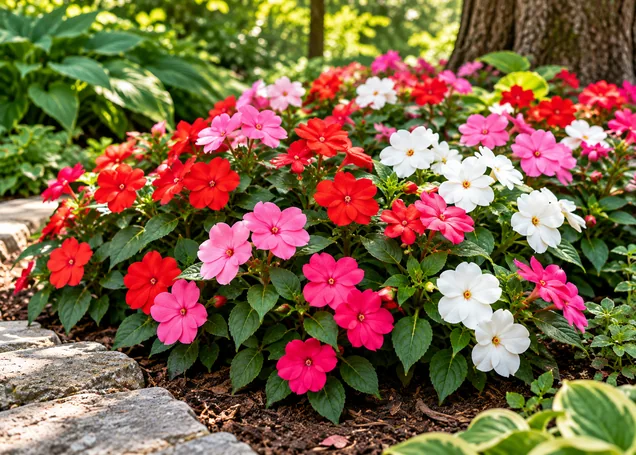
The familiar bedding impatiens, Impatiens walleriana, are popular for their compact growth and abundant flowers. Depending on the variety, flowers may be white, pink, red, orange, salmon, purple, or combinations of colors.
New Guinea impatiens are generally larger plants with showy flowers and often attractive foliage. They are useful where gardeners want a bolder appearance or slightly greater sun tolerance.
In most parts of the United States, gardeners grow impatiens as warm-season annuals because the plants are sensitive to freezing temperatures. Some types are perennial in frost-free tropical conditions.
Common Types of Impatiens
Traditional garden impatiens (Impatiens walleriana)
These are classic shade-garden flowers. They work well along walkways, under trees with suitable soil, and in containers protected from strong afternoon sun.
New Guinea impatiens (Impatiens hawkeri hybrids)
These plants generally have larger flowers and leaves. Many varieties tolerate morning sun or brighter partial shade, provided moisture is adequate.
SunPatiens
SunPatiens are cultivated impatiens hybrids developed for stronger sun and heat performance. Their light requirements differ from those of traditional bedding impatiens.
Downy mildew-resistant impatiens
Some newer traditional-type impatiens, including the Beacon series, have been bred for resistance to impatiens downy mildew. Resistance reduces risk but should not be confused with complete immunity.
Choosing the correct type is the first step in understanding how to grow impatiens successfully.
How to Grow Impatiens Plants: Step-by-Step
The following method works well for healthy nursery-grown impatiens transplants.
Step 1: Choose the Right Planting Location
Start by observing the amount of sunlight your garden receives.
Traditional impatiens usually perform best in partial shade or shade. Morning light followed by afternoon protection is often a good arrangement.
Avoid planting ordinary shade impatiens in a location exposed to intense afternoon sunlight. Excessive heat and direct sun can damage foliage and increase water stress.
For a brighter location, consider New Guinea impatiens or a suitable sun-tolerant hybrid.
Step 2: Prepare the Soil
Impatiens need soil that holds enough moisture for their relatively shallow roots while allowing excess water to drain away.
Improve compacted or poor garden soil with finished compost where appropriate. Organic matter can help improve soil structure and moisture management.
Avoid sites where water regularly collects after rainfall. Permanently soggy soil can contribute to root problems.
Step 3: Plant at the Correct Depth
Remove the impatiens gently from its nursery container.
Place the root ball in a planting hole approximately as deep as the root ball itself. The top of the root ball should sit level with the surrounding soil.
Backfill carefully and firm the soil lightly.
Plant spacing depends on the mature size of the variety. Follow the plant label rather than using one spacing measurement for every type.
Step 4: Water After Planting
Water the soil around the roots thoroughly after planting.
This helps settle the soil and reduces air pockets around the root ball.
During the establishment period, inspect the soil frequently. Newly planted impatiens may need more attention than established plants.
Step 5: Maintain Even Moisture
Keep the root zone consistently moist, but not saturated.
Check the soil rather than following a fixed daily watering schedule. Hot weather, wind, container size, and soil type all affect how quickly moisture is lost.
A light layer of organic mulch can help conserve moisture in garden beds. Keep mulch away from the plant stems.
Step 6: Monitor Growth and Flowering
Watch for healthy leaves, new shoots, and developing flower buds.
Remove damaged or diseased material as needed. If plants become stretched or uneven, light trimming can encourage a more compact appearance.
With suitable light and moisture, impatiens can continue flowering through much of the growing season.
How Much Sun Do Impatiens Need?
Sunlight requirements depend strongly on the type of impatiens.
Traditional garden impatiens are usually best in partial shade or shade. They are particularly useful in areas receiving filtered light or gentle morning sun.
New Guinea impatiens often tolerate brighter partial shade and some direct sunlight, although strong afternoon sun can still cause stress in hot climates.
SunPatiens are bred for greater sun tolerance, but they also need adequate moisture, especially during hot weather.
Impatiens Light Requirements by Type
| Type | Generally suitable light |
|---|---|
| Traditional impatiens | Shade to partial shade |
| New Guinea impatiens | Partial shade to partial sun |
| SunPatiens | Partial shade to sun, depending on conditions |
| Shade-adapted resistant varieties | Follow cultivar instructions |
A plant that wilts during the hottest part of the day may be experiencing water stress, excessive sun, or root problems. Check the soil and planting conditions before assuming it simply needs more water.
If you are designing a shady border, explore our Garden Plants for Shade guide for additional planting ideas.
How to Grow Impatiens From Seed
Starting impatiens from seed is a useful option for gardeners who want many plants or particular flower colors.
However, seed-grown impatiens need patience, consistent moisture, and adequate light.
When to Start Impatiens Seeds Indoors
Start seeds indoors several weeks before your area’s expected last spring frost, following the timing recommended on the seed packet.
The ideal date varies across the United States.
Gardeners in colder northern regions generally start spring seedlings later than gardeners in warmer southern regions.
University of Illinois Extension includes impatiens among the flowers commonly started indoors in early to mid-March for central Illinois, where the average last frost is around early May. That example should not be treated as a nationwide planting date.
Step-by-Step Seed Starting
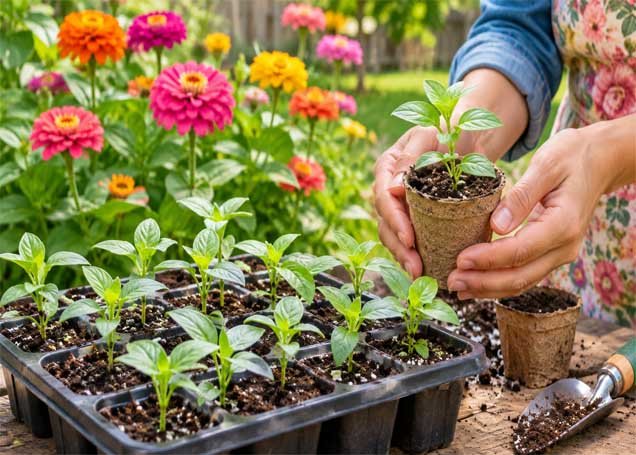
1. Prepare a seed-starting tray.
Fill clean containers with a lightweight seed-starting mix. Moisten the mix before sowing.
2. Sow the seeds carefully.
Impatiens seeds are small. Many common impatiens seeds require light for germination, so they are usually pressed gently onto the surface rather than buried deeply. Always check the instructions for the specific seed variety.
3. Maintain suitable warmth.
A warm indoor environment helps germination. Follow the seed supplier’s recommended temperature range rather than assuming every impatiens variety has identical requirements.
4. Keep the medium consistently moist.
Use a gentle mist or careful bottom watering so the seeds are not displaced.
The growing medium should remain damp without becoming waterlogged.
5. Provide bright light.
Once seedlings emerge, give them bright growing light. Supplemental grow lights may be useful where natural indoor light is insufficient.
6. Thin or transplant seedlings.
After seedlings develop true leaves and are large enough to handle, move them into individual containers if necessary.
7. Harden off before planting outside.
Gradually introduce indoor-grown seedlings to outdoor conditions over approximately one to two weeks, protecting them from cold temperatures and intense sunlight.
Transplant outdoors after frost danger has passed.
Common Seed-Starting Mistakes
Seeds may fail because they dry out, are buried too deeply, experience unsuitable temperatures, or sit in overly wet growing medium.
Young seedlings can also develop damping-off disease in persistently wet, poorly drained conditions.
Clean containers, suitable growing media, careful watering, and good air circulation help reduce avoidable problems.
For more general advice, see our How to Start Vegetable Gardening article for basic garden preparation principles.
How to Grow Impatiens in Pots
Growing impatiens in pots is ideal for balconies, porches, patios, and small outdoor spaces.
Containers also make it easier to control soil quality and relocate plants when sunlight conditions change.
Choose a Container With Drainage
Select a container with drainage holes.
Impatiens appreciate moisture, but their roots should not remain submerged in standing water.
A larger container generally holds moisture longer than a very small pot, although the ideal size depends on the number and mature size of the plants.
Use Quality Potting Mix
Fill the container with a commercial potting mix intended for outdoor container plants.
Avoid filling pots entirely with dense garden soil, which may compact and drain poorly in containers.
Position the Pot Correctly
Traditional impatiens perform well on shaded patios or porches that receive indirect light.
If the location receives substantial direct sunlight, choose a type with suitable sun tolerance.
Water Containers Carefully
Container-grown impatiens often dry out faster than plants in garden beds.
Check moisture regularly, especially during hot or windy weather.
Water thoroughly when needed, allowing excess water to escape through the drainage holes.
Feed According to Plant Needs
Container plants can benefit from occasional feeding because nutrients are gradually depleted or washed from the potting mix.
Use a balanced fertilizer according to its label. Avoid excessive application, which may damage roots or encourage unnecessary leafy growth.
How to Grow Impatiens From Cuttings
If you want to produce additional plants from a healthy impatiens, stem cuttings can be an option.
Cuttings are particularly useful when you want to preserve the characteristics of a specific plant rather than grow variable seedlings.
Simple Propagation Method
- Select a healthy, nonflowering shoot from a disease-free plant.
- Take a short stem cutting using clean pruning tools.
- Remove the lower leaves while retaining several healthy leaves near the top.
- Place the cutting into a clean, moist propagation medium.
- Keep it in bright indirect light with appropriate humidity.
- Monitor for new root development before moving it into a larger container.
Some impatiens also root in water, although roots formed in water may require a careful transition to potting mix.
Avoid taking cuttings from plants showing signs of disease, unusual leaf discoloration, or unexplained wilting.
Can You Propagate Every Impatiens Variety?
Not necessarily without restrictions.
Some named commercial cultivars may be protected by plant patents or other propagation rights. Check the plant label and applicable restrictions before propagating protected varieties.
For ordinary home gardening, seed-grown plants or legally propagated, unprotected varieties are straightforward choices.
How to Grow New Guinea Impatiens
New Guinea impatiens differ from traditional bedding impatiens in several important ways.
They often have larger flowers, more substantial foliage, and greater tolerance of bright growing conditions.
To understand how to grow New Guinea impatiens, focus on three requirements: appropriate light, reliable drainage, and steady moisture.
Light and Temperature
New Guinea impatiens usually perform well with morning sun and afternoon shade.
Some cultivars tolerate more sunlight, but performance varies with temperature, humidity, and watering conditions.
In very hot climates, afternoon shade is especially helpful.
Soil and Drainage
Use fertile, well-drained soil or a quality container mix.
New Guinea impatiens can suffer when their roots remain in saturated soil.
Watering
Water when the growing medium begins to dry near the surface, while preventing prolonged drought.
The objective is steady moisture, not constant saturation.
Fertilizing
Use moderate fertilizer according to product directions.
Too much fertilizer is not a substitute for proper sunlight, moisture, or drainage.
Traditional vs. New Guinea Impatiens
| Feature | Traditional Impatiens | New Guinea Impatiens |
|---|---|---|
| Common botanical identity | I. walleriana | I. hawkeri hybrids |
| Typical flowers | Numerous, often smaller | Often larger and showier |
| Foliage | Usually green | Often larger or colorful |
| Preferred light | Shade to partial shade | Brighter partial shade |
| Garden uses | Borders, beds, baskets | Containers, borders, mixed displays |
| Downy mildew concern | Important in susceptible varieties | Generally less susceptible to the disease affecting traditional impatiens |
Best Soil for Growing Impatiens
Healthy impatiens need a balance between moisture retention and drainage.
In sandy soil, moisture may disappear quickly. In heavy compacted soil, excess water can remain around the roots.
Adding finished compost where appropriate may improve soil structure.
For container plants, use a suitable potting mix rather than relying on unamended yard soil.
Should You Test the Soil?
A soil test can be helpful when plants repeatedly perform poorly or when you are preparing a large garden bed.
It can identify pH and nutrient conditions and help you avoid unnecessary fertilizer applications.
Contact your local Cooperative Extension office for region-specific soil testing guidance.
How Often Should You Water Impatiens?
There is no single watering schedule that works for every garden.
Impatiens generally need consistent moisture, but watering frequency depends on weather, soil texture, sunlight, and container size.
Signs Impatiens May Need Water
- The upper growing medium feels dry.
- Leaves begin to droop and the soil is dry.
- Container plants feel unusually light.
Signs of Excess Moisture
- Soil remains wet for long periods.
- Leaves yellow while the growing medium is saturated.
- Plants wilt despite persistently wet soil.
Wilting does not always mean drought. Root damage and disease can also prevent plants from taking up water.
Always inspect soil conditions before watering again.
Watering in Hot Weather
During summer heat, containers may need frequent checks.
Water the root zone thoroughly and allow drainage. Morning watering is often convenient because plants have moisture available before the hottest part of the day.
Avoid keeping foliage unnecessarily wet for extended periods, especially where disease pressure is high.
How to Fertilize Impatiens for Healthy Flowers
Impatiens can grow well without aggressive fertilizing when planted in suitable soil.
Garden beds enriched with compost may require less supplemental feeding than containers.
For potted impatiens, use a balanced fertilizer at the rate and frequency stated on the label.
Avoid assuming that more fertilizer will always produce more flowers.
Excess nutrients can cause root injury, salt buildup, or imbalanced growth.
If plants have poor flowering, check sunlight, moisture, and temperature before increasing fertilizer.
Pruning and Maintaining Impatiens
Impatiens generally require relatively little pruning.
Many modern varieties shed old flowers naturally, so regular deadheading may not be necessary.
However, occasional maintenance can improve their appearance.
When to Trim
If plants become stretched, uneven, or sparse, trim back a small portion of healthy growth to encourage branching.
Avoid severe pruning during periods of extreme heat or when plants are already stressed.
Remove Damaged Growth
Remove visibly dead or damaged plant material.
If disease is suspected, avoid spreading contaminated debris between plants. Clean tools when moving from diseased to healthy material.
Encourage Better Air Circulation
Do not crowd plants excessively.
Use the mature spacing recommended for the cultivar, particularly in humid regions where crowded foliage may remain wet for long periods.
Common Impatiens Growing Problems
Even experienced gardeners occasionally encounter impatiens that stop flowering, wilt, or develop yellow leaves.
Identifying the underlying problem is more useful than immediately applying fertilizer or extra water.
1. Yellow Leaves
Possible causes include excess moisture, nutrient problems, natural aging, or disease.
Check drainage and inspect both sides of the leaves.
Yellowing combined with leaf drop or pale growth may require closer investigation for downy mildew.
2. Wilting Plants
Wilting may occur when the soil becomes too dry, but root rot can produce similar symptoms.
Check whether the root zone is dry or persistently wet.
Do not repeatedly water a plant already sitting in saturated soil.
3. Few or No Flowers
Poor flowering may result from unsuitable light, temperature stress, excessive fertilizer, or other growing problems.
Compare the plant’s location with the light requirements of its specific variety.
4. Brown or Damaged Leaves
Strong sunlight, drying conditions, or disease may damage foliage.
Move containers to a more suitable location if sun exposure is excessive.
5. Seedlings Collapse
Very young seedlings can develop damping-off disease, especially in wet growing conditions.
Use clean equipment, suitable seed-starting media, and careful moisture management.
Impatiens Downy Mildew: What Gardeners Should Know
Downy mildew is one of the most important disease concerns for traditional garden impatiens.
The disease affecting susceptible Impatiens walleriana is caused by the water mold Plasmopara obducens.
Common Symptoms
Possible symptoms include pale or yellowing leaves, downward-curling foliage, whitish growth on the undersides of leaves, and premature leaf drop.
Plants may eventually become sparse and fail to recover.
These symptoms are not unique to downy mildew, so a confident diagnosis may require professional examination.
How to Reduce the Risk
Choose healthy nursery plants and avoid planting material with suspicious symptoms.
Provide appropriate spacing and avoid unnecessarily prolonged leaf wetness.
Where the disease has been a recurring problem, consider resistant varieties or alternative shade plants.
The Beacon impatiens series is one example of traditional-type impatiens bred for strong downy mildew resistance.
If a plant appears seriously infected, follow your local Extension service’s advice for removal and disposal. Do not propagate affected plants.
The University of Minnesota Extension and Penn State Extension both provide diagnostic information about impatiens diseases.
Growing Impatiens in Different U.S. Climates
Because the United States includes many climate zones, a single calendar date cannot describe the ideal planting season everywhere.
Northern States
In colder regions, wait until frost danger has passed and outdoor conditions are suitable for tender plants.
Starting seeds indoors can provide a head start.
Southern States
Warm climates may offer a longer growing season.
However, high summer temperatures and strong afternoon sunlight can increase water stress.
Provide appropriate shade and monitor moisture carefully.
Humid Regions
In humid climates, plant spacing and disease monitoring are particularly important.
Choose suitable varieties and avoid unnecessary crowding.
Dry Regions
In dry climates, impatiens may need more frequent moisture checks, especially in containers.
Mulch, shade, and moisture-retentive soil can help reduce stress.
The best planting schedule should always reflect your local frost dates and the cultivar’s requirements.
How to Use Impatiens in Garden Design
Impatiens are versatile flowers for adding color to spaces that do not receive full sunlight.
Shaded Walkways
Plant traditional impatiens along paths receiving filtered light.
A repeated color scheme can make a narrow garden look organized and welcoming.
Front Porch Containers
Use impatiens in containers near entrances or on covered porches with suitable natural light.
Mix flower colors thoughtfully rather than overcrowding each pot.
Hanging Baskets
Impatiens can add seasonal color to hanging baskets protected from harsh afternoon sun.
Check basket moisture frequently because hanging containers often dry faster than garden beds.
Woodland-Style Borders
Combine impatiens with foliage plants that enjoy similar moisture and shade conditions.
Ferns, hostas, and some other shade plants can provide contrasting leaf textures.
For more long-lasting shade garden structure, read our Shade Perennials guide.
Seasonal Flower Displays
Use impatiens to fill temporary gaps between established shrubs and perennials.
Their colorful flowers can complement longer-lived shade plants without requiring a permanent redesign.
Frequently Asked Questions About How to Grow Impatiens
Are impatiens easy to grow?
Yes. Traditional impatiens are generally manageable for beginners when planted in suitable shade and kept evenly moist. The main challenges are excessive sun, improper watering, and disease in susceptible varieties.
Do impatiens grow in full shade?
Traditional impatiens can grow in shade, but flowering may be reduced in extremely dark locations. Bright shade or partial shade often provides a better balance.
Can impatiens grow in direct sunlight?
Some types tolerate more direct sun than others. Traditional impatiens generally prefer protection from strong afternoon sunlight, while New Guinea impatiens and SunPatiens can tolerate brighter conditions.
How do you grow impatiens plants from seeds?
Start seeds indoors in clean, moist seed-starting mix, follow the packet’s sowing instructions, provide warmth and adequate light, and transplant seedlings outdoors after frost danger has passed.
How long do impatiens take to grow from seed?
Germination and growth rates depend on variety, temperature, light, and growing conditions. Check the seed packet for the most reliable estimate for your selected cultivar.
Can you grow impatiens in pots?
Yes. Impatiens grow well in containers with drainage holes, appropriate potting mix, suitable light, and consistent moisture.
Can impatiens grow indoors?
Impatiens can sometimes be kept indoors in bright conditions, but they are generally easier to grow as outdoor seasonal plants. Indoor light, temperature, and humidity may not support the same level of flowering.
Are impatiens annuals or perennials?
Many impatiens are botanically perennial in suitable frost-free climates. In most U.S. gardens, they are grown as annuals because freezing weather damages or kills tender plants.
Do impatiens come back every year?
In regions with freezing winters, traditional impatiens usually do not survive outdoors to return the following spring. Gardeners typically replant them each year.
How do you grow New Guinea impatiens successfully?
Choose bright partial shade, provide well-drained soil, maintain consistent moisture, and protect plants from excessive heat stress. Follow cultivar-specific instructions for sunlight exposure.
Why are my impatiens leaves turning yellow?
Possible causes include waterlogged soil, nutrient issues, normal aging, and disease. Check soil moisture and inspect the leaves before deciding how to treat the plant.
What are the best companion plants for impatiens?
Ferns, hostas, and other plants suited to similar shade and moisture conditions can make attractive companions. Choose combinations based on mature size and local growing conditions.
Final Thoughts
Learning how to grow impatiens begins with choosing the right variety and planting location. Traditional impatiens are excellent for shaded gardens, while New Guinea impatiens and selected hybrids offer additional options for brighter spaces.
Whether you want to learn how to grow impatiens from seed, cultivate colorful flowers in pots, or propagate healthy plants from cuttings, the same basic principles apply: suitable light, well-drained soil, steady moisture, and careful disease monitoring.
Start with healthy plants, observe how they respond to your garden conditions, and adjust your care as the season progresses.
With thoughtful planting and maintenance, impatiens can bring dependable seasonal color to porches, containers, and shaded garden borders.
References and Further Reading
- University of Illinois Extension — Impatiens — Types, sunlight preferences, and general growing conditions.
- University of Illinois Extension — When Should I Start My Seeds? — Regional seed-starting guidance.
- University of Illinois Extension — Starting Seeds Indoors — Seed-starting practices and moisture management.
- Penn State Extension — Impatiens Diseases — Common diseases and diagnostic information.
- University of Minnesota Extension — Impatiens Leaf Discoloration — Disease symptoms, root problems, and sun damage.
- Penn State Extension — Best of the Penn State Annuals: Annual Standouts for 2025 — Performance observations for SunPatiens and Beacon impatiens.