
Table of Contents
A flower garden can look spectacular in early summer, only to become crowded, leggy, or covered with faded blooms a few weeks later. Fortunately, a little thoughtful pruning can help many flowering plants stay healthier, maintain a better shape, and, in some cases, produce additional flowers.
Learning how to prune flowers is not about cutting every plant the same way. Zinnias, petunias, roses, coneflowers, and hydrangeas have different growth habits and pruning requirements. Some benefit from regular deadheading, while others need seasonal cutting back or only occasional removal of damaged growth.
In this beginner-friendly guide, you’ll discover when to prune flowers, how to make appropriate cuts, which techniques work for common garden plants, and what mistakes to avoid.
What Does Pruning Flowers Mean?
Flower pruning is the selective removal of flowers, stems, or other plant growth to improve appearance, manage size, remove damaged material, or encourage healthy development.
Different pruning techniques produce different results.
Deadheading removes faded blossoms before or during seed formation. This can encourage continued flowering in responsive plants.
Pinching removes the soft growing tip of a young stem. It often encourages side branches and a bushier appearance.
Cutting back shortens multiple stems or removes older top growth to refresh a plant, control height, or prepare it for a new growing season.
Thinning removes selected stems to reduce crowding and improve airflow.
Understanding these differences is the first step in learning how to prune flowers successfully.
Deadheading vs. Pruning: What’s the Difference?
Deadheading is one type of pruning, but the terms are not interchangeable.
Deadheading focuses on spent flowers. General pruning may involve healthy or damaged stems, foliage, or branches.
For example, removing a faded zinnia flower is deadheading. Shortening a leggy flowering plant to encourage fresh branching is cutting back.
Both can be useful, but the right choice depends on the species and its stage of growth.
Why Is Pruning Important for Flowering Plants?
Pruning flowering plants can provide several benefits when performed at the appropriate time.
Encourages More Blooms in Responsive Plants
Some annuals continue producing flowers when spent blossoms are removed before seed development. Zinnias, marigolds, and many traditional petunias respond well to regular deadheading.
However, pruning does not guarantee repeat flowering. Certain perennials bloom once per season regardless of whether faded flowers are removed.
Improves Plant Shape
Pinching or selective cutting can encourage branching and prevent some flowers from becoming excessively tall or floppy.
This technique is particularly useful for certain chrysanthemums, asters, and bedding annuals.
Removes Damaged Growth
Removing dead, broken, or visibly diseased plant material can improve appearance and reduce opportunities for some plant problems to persist.
Helps Manage Crowded Growth
Selective thinning may improve airflow through dense plants. Avoid removing more growth than necessary, particularly during periods of environmental stress.
Keeps Flower Beds Attractive
Regular attention to faded blooms, declining stems, and unwanted growth helps flower beds and containers maintain a tidy appearance throughout the growing season.
According to University of Illinois Extension, deadheading, pinching, and cutting back are useful techniques for maintaining many perennial flowers.
When Is the Best Time to Prune Flowers?
The best time to prune flowers depends on the plant type, bloom season, and local climate.
There is no single pruning calendar that works for every flowering plant across the United States.
Understanding how to prune flowers at the right time is essential for protecting developing buds. Spring-flowering shrubs often need attention after blooming, while many summer annuals benefit from deadheading throughout their growing season. Always consider the plant’s flowering cycle and your local climate before making major cuts.
Spring Flower Pruning
Spring is an appropriate time to inspect garden plants for winter damage and remove dead growth where necessary.
Some summer- and fall-blooming flowering shrubs can also be pruned in late winter or early spring before new growth begins.
However, avoid routinely cutting back spring-flowering shrubs before they bloom. Many produce flowers on stems that developed during the previous growing season.
Summer Flower Pruning
Summer is a common time for deadheading annuals and managing certain flowering perennials.
Inspect plants regularly for faded blooms. Some leggy annuals also benefit from selective trimming during the growing season.
During extreme heat or drought, avoid unnecessary heavy pruning that could add stress.
Fall Flower Pruning
Fall pruning depends on the plant and the garden’s goals.
Removing diseased plant material is often appropriate. However, healthy perennial stems and seed heads can provide winter structure, food for birds, and habitat for beneficial insects.
In colder regions, some gardeners leave healthy perennial growth standing until spring.
Winter Flower Pruning
Late winter is often suitable for pruning certain summer-blooming shrubs that flower on new growth.
In warmer USDA growing regions, the timing may differ from that in northern states.
Always identify the plant before making substantial seasonal cuts.
Tools You Need to Prune Flowers

Most home gardeners can manage routine flower maintenance with a small collection of basic tools.
- Small floral snips for delicate stems and spent blossoms
- Bypass hand pruners for thicker flower stems
- Gardening gloves for comfortable handling
- A clean container for collecting plant debris
- A suitable cleaning product for maintaining tools according to the manufacturer’s directions
Choose tools appropriate for the size of the stems and keep cutting edges clean and in good condition.
For woody flowering shrubs or large branches, consider qualified professional assistance rather than treating the task like ordinary flower deadheading.
How to Prune Flowers Step by Step
Knowing how to prune flowers correctly begins with observing the plant rather than immediately cutting it.
Step 1: Identify the Flower
Determine whether the plant is an annual, herbaceous perennial, or flowering shrub.
If possible, identify the species or cultivar. This matters because pruning recommendations can vary considerably even among closely related plants.
Step 2: Inspect the Plant
Look for faded blossoms, damaged stems, overcrowded growth, healthy buds, and developing seed heads.
Decide whether the plant needs deadheading, pinching, light shaping, or seasonal cutting back.
Avoid removing healthy flower buds simply because a stem appears long.
Step 3: Locate the Appropriate Cutting Point
For many deadheading tasks, follow the faded flower stem down to a healthy leaf, side shoot, or developing bud.
For a flowering spike, the appropriate point may be lower on the stalk after flowering has finished.
Different species require different cutting locations.
Step 4: Remove the Selected Growth
Use an appropriate clean tool to make a neat cut without crushing the surrounding stem.
For tender, small flowers, gentle pinching may be sufficient.
Avoid unnecessary damage to nearby leaves and developing flower buds.
Step 5: Remove Unwanted Debris
Collect spent flowers and cut stems when garden sanitation requires it.
Plant material showing signs of disease should be handled according to local extension guidance rather than automatically placed in a home compost pile.
Step 6: Observe the Plant After Pruning
Monitor new growth, moisture needs, and overall plant health.
Some plants produce new flowers relatively quickly, while others need more time or will not rebloom until their next natural flowering season.
The most effective way to learn how to prune flowers is to observe how individual plants respond over time.
How to Deadhead Flowers for More Blooms
Deadheading is among the easiest maintenance techniques for beginner gardeners.
Many flowering annuals respond positively when spent flowers are removed regularly. This reduces seed development and may encourage the plant to continue producing blooms.
How to Recognize a Spent Flower
A flower may be ready for deadheading when its petals have faded, wilted, dropped, or begun to dry.
Be careful not to confuse a developing flower bud with an old seed head.
Where Should You Cut?
On many plants, remove the spent bloom just above a healthy leaf or side shoot.
For plants with flowering stalks, remove the finished stalk at an appropriate point once its blooms are spent.
Check plant-specific recommendations before cutting.
How Often Should You Deadhead Flowers?
Inspecting flowers about once a week is a practical starting point during active growth.
Fast-flowering annuals may benefit from more frequent attention, while some perennials need only occasional maintenance.
Remember that deadheading is not required for every plant.
The University of Illinois Extension guide to deadheading explains how removing faded blossoms can support flowering and garden appearance.
How to Prune Annual Flowers
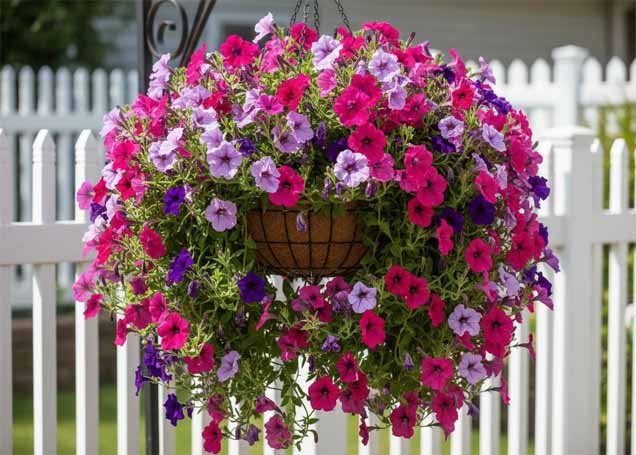
Annual flowers complete their life cycle within one growing season. Many popular bedding annuals can benefit from deadheading or selective pinching.
If you’re learning how to prune flowers in an annual garden, begin with easy-to-maintain plants such as zinnias, marigolds, and cosmos. Removing faded blossoms from these plants can encourage additional flowering under suitable growing conditions. Regular observation helps you recognize which stems need attention without disturbing healthy buds.
How to Prune Zinnias
Zinnias are popular summer flowers in sunny U.S. gardens.
Remove faded flower heads by cutting back to a suitable healthy leaf pair or side branch. Regular deadheading can encourage continued blooming during favorable growing conditions.
Avoid cutting off nearby developing buds.
For more information about starting these colorful flowers, read our How to Grow Zinnia Seedlings guide.
How to Prune Marigolds
Marigolds are widely grown in flower beds and containers.
Remove fading blossoms to keep plants tidy and encourage continued flowering in responsive varieties.
If stems become excessively long, modest shaping may improve appearance, but avoid removing large amounts of healthy growth unnecessarily.
How to Prune Petunias
Petunias can become stretched or leggy during the growing season.
Traditional varieties may benefit from regular deadheading and occasional trimming. Many newer varieties are self-cleaning and need less manual flower removal.
If a petunia becomes overgrown, selective cutting back can encourage fresh branching when the plant is otherwise healthy and growing actively.
How to Prune Cosmos
Cosmos often continue flowering when spent blooms are removed.
Deadhead faded flowers regularly if you want a tidy display and extended flowering.
However, leave some seed heads if you want to collect seeds or allow appropriate self-seeding.
How to Prune Perennial Flowers
Perennial flowers return for multiple growing seasons under suitable conditions.
Unlike many annuals, some perennials have a relatively short natural flowering period. Deadheading may improve appearance without necessarily producing another full flush of blooms.
How to Prune Coneflowers
Coneflowers, especially Echinacea species, are valued for their summer flowers and seed heads.
Removing faded flowers may encourage additional blooms in some conditions.
However, leaving selected seed heads standing can provide food for seed-eating birds and add winter interest.
Gardeners can balance deadheading with wildlife-friendly maintenance.
How to Prune Black-Eyed Susans
Black-eyed Susans include several Rudbeckia species with different growth habits.
Deadheading can keep plants looking tidy and may encourage additional flowers in some varieties.
Leave some mature seed heads if wildlife habitat or seed collection is part of your garden plan.
How to Prune Shasta Daisies
Shasta daisies benefit from removing faded flowers to maintain a clean appearance.
Cut spent flower stems back to an appropriate healthy leaf or lower side shoot.
Once the main flowering period ends, additional cleanup may be useful, depending on plant condition and new basal growth.
How to Prune Daylilies
Daylilies produce individual flowers that generally last a short time.
Remove spent flowers for appearance, and take away the finished flowering stalk once all its buds have bloomed.
Keep healthy leaves in place because they support the plant’s continued growth.
How to Prune Garden Phlox
Garden phlox can benefit from deadheading after its main flower clusters fade.
Selective pruning may improve appearance and encourage some additional flowering.
Good spacing and airflow are also important because garden phlox can be susceptible to powdery mildew.
For more perennial maintenance guidance, consult Penn State Extension’s Pruning Herbaceous Plants.
How to Prune Flowering Shrubs
Flowering shrubs require a different approach from soft-stemmed annuals and perennials.
One of the most important considerations is whether a shrub blooms on old wood or new wood.
Spring-Blooming Shrubs
Many spring-flowering shrubs form their flower buds during the previous growing season.
Examples include lilacs, forsythia, and many azaleas.
These plants are generally pruned shortly after flowering when pruning is needed.
Cutting them back in late fall or winter may remove buds intended for the following spring.
Summer-Blooming Shrubs
Some summer-flowering shrubs produce blooms on the current season’s new growth.
Examples include smooth hydrangea and panicle hydrangea.
These can often be pruned in late winter or early spring, although exact recommendations depend on the species and cultivar.
What About Hydrangeas?
Hydrangeas are a good example of why plant identification matters.
Bigleaf hydrangeas, smooth hydrangeas, and panicle hydrangeas do not all follow the same pruning schedule.
Some reblooming cultivars also behave differently from traditional varieties.
Before pruning a hydrangea, identify its species and flowering characteristics.
See Penn State Extension’s guide to pruning flowering shrubs for additional information.
Flower Pruning Guide: Quick Comparison Table
| Flower or Plant Group | Recommended Approach | General Timing |
|---|---|---|
| Zinnias | Deadhead spent flowers | During active blooming |
| Marigolds | Remove faded blossoms | Throughout flowering season |
| Petunias | Deadhead if needed; trim leggy stems | During active growth |
| Cosmos | Deadhead or retain seeds | During and after flowering |
| Coneflowers | Optional deadheading; retain some seed heads | Summer through fall |
| Shasta daisies | Deadhead and remove finished stems | After flowers fade |
| Daylilies | Remove spent blooms and finished scapes | During flowering |
| Garden phlox | Deadhead finished clusters | After main bloom |
| Lilacs | Selective pruning after flowering | Late spring, depending on region |
| Smooth hydrangeas | Prune as needed before spring growth | Late winter to early spring |
These are general guidelines. Always consider the species, cultivar, plant health, and local growing conditions.
How to Prune Flowers in Different U.S. Climates
Pruning schedules can vary significantly across the United States.
Northern States and Colder Growing Regions
In areas with long winters, many flowering plants enter dormancy or die back after frost.
Gardeners often perform seasonal cleanup in spring, once they can identify new growth and assess winter damage.
Avoid cutting back tender new growth simply because the calendar indicates that spring has arrived.
Southern States and Warm Growing Regions
In regions with longer growing seasons, some flowers may bloom for extended periods.
Deadheading and light maintenance may continue longer into fall or winter.
However, the timing still depends on species, rainfall, temperature, and plant growth.
Dry and Hot Regions
In hot, dry climates, plants may slow their growth during periods of extreme heat.
Avoid aggressive pruning of stressed flowering plants. Evaluate soil moisture and overall plant condition before trimming.
Humid Regions
Where humidity is high, proper spacing and selective removal of damaged material can help improve airflow.
Pruning alone does not prevent all fungal diseases, so plant selection and overall garden management remain important.
For garden planning ideas suited to different outdoor spaces, explore our Small Backyard Landscaping Ideas article.
Should You Prune Flowers Before Winter?
Not all flowers should be cut back in fall.
Many perennial seed heads provide food for birds, while standing stems can contribute to overwintering habitat for insects.
Healthy stems may also add visual interest to winter gardens.
On the other hand, visibly diseased plant material may need removal to reduce problems in the following growing season.
A practical approach is to remove problematic growth while leaving selected healthy perennial stems and seed heads until spring.
The best decision depends on the species, local climate, and garden goals.
Common Flower Pruning Mistakes to Avoid
Even experienced gardeners sometimes prune at the wrong time or remove more growth than necessary.
One common mistake when learning how to prune flowers is assuming that every plant benefits from frequent cutting. Excessive pruning can remove developing buds or reduce seasonal flowering. Before trimming, identify the plant, check its growth stage, and choose the appropriate pruning technique.
1. Pruning Every Flower the Same Way
Different species have different growth habits. A technique that works for zinnias may not be appropriate for hydrangeas.
2. Cutting Spring-Flowering Shrubs Too Late
Pruning old-wood bloomers after their next flower buds have formed can reduce the following season’s display.
3. Removing Developing Flower Buds
Before making a cut, identify whether a structure is a spent flower, seed head, or unopened bud.
4. Over-Pruning Stressed Plants
Plants experiencing drought, extreme heat, or other stress may not respond well to heavy cutting.
5. Using Poorly Maintained Tools
Dull or dirty tools can damage stems and complicate garden sanitation.
6. Expecting Every Plant to Rebloom
Some flowers naturally bloom once each season. Deadheading may improve appearance without producing a second flowering period.
7. Removing All Winter Seed Heads
Cutting down every healthy perennial in fall can reduce food and habitat resources for garden wildlife.
How to Encourage Healthy Blooms After Pruning
Knowing how to prune flowers is only part of successful flower care.
Healthy growing conditions help plants recover and develop new growth.
Provide Suitable Light
Different flowers require different amounts of sunlight.
Zinnias generally prefer full sun, while some woodland perennials grow better with partial shade.
Water According to Plant Needs
Maintain appropriate soil moisture without allowing plants to remain constantly waterlogged.
Avoid Excessive Fertilizer
More fertilizer does not automatically mean more flowers. Excess nitrogen can encourage leafy growth at the expense of blooming in some plants.
Maintain Healthy Soil
Well-drained soil and appropriate organic matter can support root health.
Watch for Pests and Diseases
Inspect leaves, stems, and developing buds regularly.
Pruning may remove affected material, but persistent problems can require additional diagnosis and management.
Frequently Asked Questions About Pruning Flowers
Does pruning flowers make them bloom more?
Pruning can encourage additional flowering in some species, especially when spent blooms are removed before seed formation. However, not every flowering plant reblooms after pruning.
What is the best month to prune flowers?
There is no universal month. Many annuals are deadheaded during the growing season, while spring-flowering shrubs are commonly pruned after blooming. Other plants may benefit from late-winter or early-spring pruning.
Can you prune flowers while they are blooming?
Yes, selective deadheading can be performed while a plant has other open flowers. Avoid removing healthy buds unless shaping or bloom control is intentional.
Should I cut off dead flowers?
Removing dead flowers is useful for many annuals and some perennials, but it is optional for self-cleaning plants and species whose seed heads provide wildlife benefits.
How often should flowers be pruned?
The frequency depends on plant type and growth rate. Inspecting flowers weekly during active growth is a practical habit, but not every plant needs pruning each week.
What happens if you prune flowers too early?
Early pruning can remove flower buds, delay blooming, or reduce a plant’s seasonal display. This is particularly important for shrubs that bloom on old wood.
Is deadheading the same as cutting back?
No. Deadheading removes spent flowers, while cutting back shortens or removes a larger portion of plant growth.
Should I prune perennial flowers in fall or spring?
It depends on the species, plant health, and garden goals. Many healthy perennial stems can remain through winter, while damaged or diseased material may require earlier removal.
Final Thoughts: How to Prune Flowers Successfully
Learning how to prune flowers becomes easier when you understand the needs of each plant rather than following one universal pruning schedule.
Begin with simple tasks such as removing faded blossoms from responsive annuals. Learn to recognize healthy buds, use suitable tools, and observe how different flowers respond.
As your gardening experience grows, you can explore techniques such as pinching, selective cutting back, and seasonal shrub pruning.
Most importantly, remember that pruning should support the plant’s natural growth. The goal is not to cut more, but to make thoughtful decisions that keep your garden attractive, healthy, and productive.