
Table of Contents
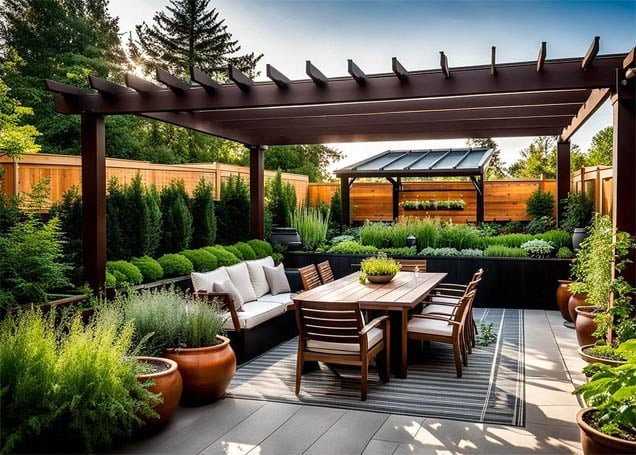
A backyard patio can turn an ordinary outdoor area into one of the most enjoyable parts of your home. Whether you want a quiet place for morning coffee, an outdoor dining area for family meals, or a comfortable space for entertaining friends, the right patio design can make a big difference.
The good news is that you don’t necessarily need a huge backyard or an expensive renovation. Many backyard patio ideas can work with small spaces and modest budgets. Simple improvements such as adding comfortable seating, container plants, outdoor lighting, or a little shade can completely change how a patio looks and feels.
If you’re planning an outdoor upgrade, these 25 backyard patio ideas offer inspiration for different yard sizes, styles, and budgets.
1. Create a Simple Paver Patio
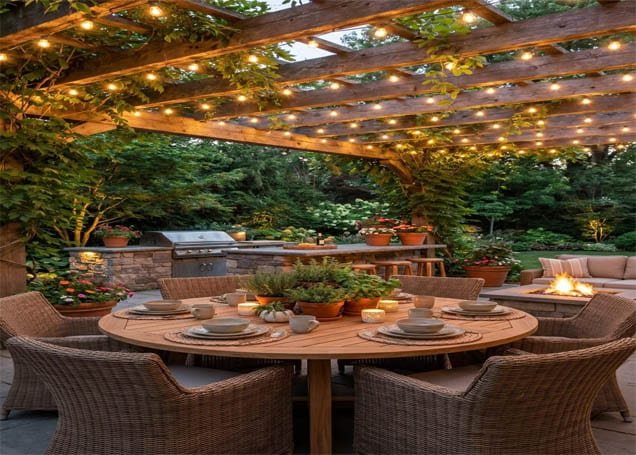
Pavers are a popular choice for backyard patios because they come in many shapes, sizes, textures, and styles.
A simple paver patio can create a defined outdoor living area without making the backyard feel overly formal. Depending on the design, you can use concrete, brick, or natural-stone pavers.
For a clean appearance, choose a simple pattern and surround the patio with plants or lawn.
Best for: Traditional and modern backyards
Design tip: Consider a border of contrasting pavers to define the patio.
2. Build a Cozy Conversation Area
Your patio doesn’t always need a large dining table.
Instead, create a conversation area using outdoor chairs, a small sofa, or weather-resistant lounge furniture arranged around a coffee table.
Position the seats so people can comfortably talk to each other rather than lining all the furniture against a wall.
Add outdoor cushions and a few plants to soften the space.
3. Try Small Backyard Patio Ideas
A small backyard can still have an attractive and functional patio.
The key is choosing furniture that fits the available space.
Consider:
- Compact outdoor chairs
- A small bistro table
- Folding furniture
- Vertical planters
- Built-in benches
- Wall-mounted lighting
Avoid filling every available corner. Leaving some open space can make a small patio feel larger.
4. Create a Backyard Patio on a Budget
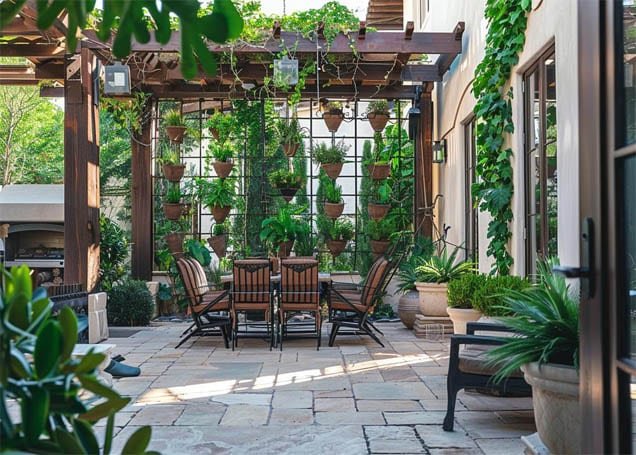
You don’t have to replace everything to refresh an existing patio.
Some backyard patio ideas on a budget include adding inexpensive container plants, rearranging existing furniture, installing string lights, or using an outdoor rug to visually define the seating area.
You can also repaint suitable outdoor furniture rather than replacing it.
Focus your budget on one or two improvements that will make the biggest visual difference.
5. Add an Outdoor Dining Area
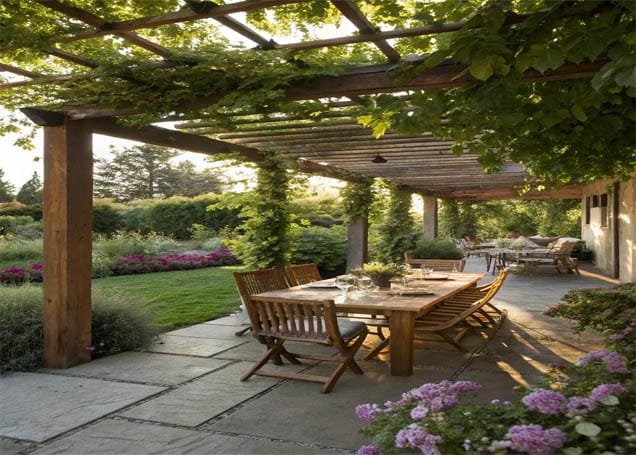
If you enjoy eating outdoors, turn part of your patio into an outdoor dining space.
Choose a table based on the number of people you usually host rather than buying the largest table that will fit.
Allow enough room around the table for chairs to move comfortably.
A patio umbrella, pergola, or other suitable shade structure can make outdoor meals more comfortable during sunny weather.
6. Add a Pergola
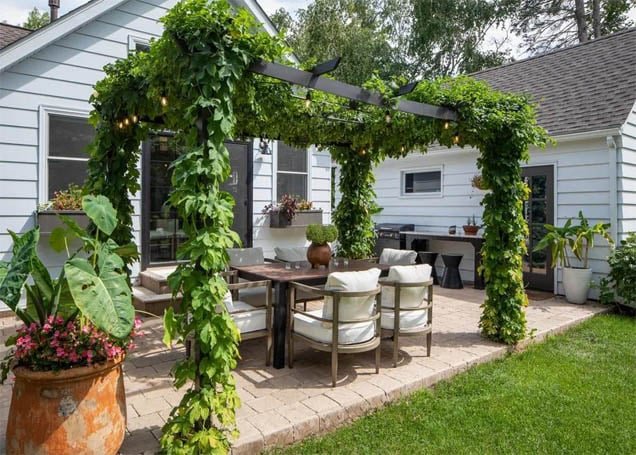
A pergola can give an open patio more structure while creating a defined outdoor room.
Pergolas work especially well over dining tables and seating areas.
You can keep the structure simple or decorate it with appropriate outdoor lighting and climbing plants.
Keep in mind that a traditional open-roof pergola provides partial rather than complete protection from sun and rain.
7. Create a Covered Backyard Patio
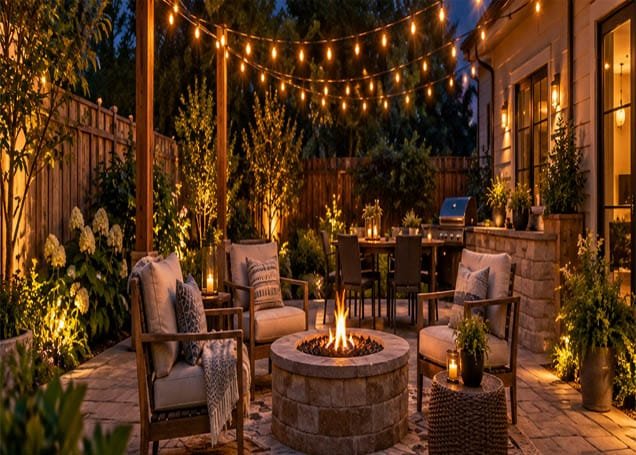
A covered patio can make an outdoor area more useful throughout changing weather conditions.
Depending on your home and local requirements, options may include a permanent patio roof, awning, shade sail, or pergola-style covering.
Before installing a permanent structure, check local building requirements and consider professional advice when structural work is involved.
8. Use String Lights for Evening Ambiance
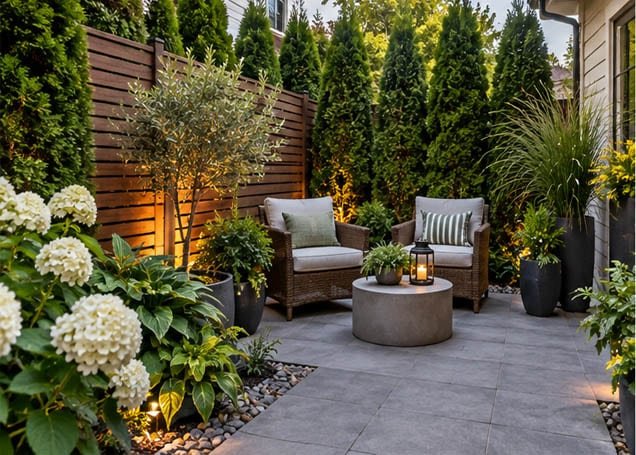
Lighting is one of the easiest ways to transform a patio after sunset.
Outdoor-rated string lights can create warm ambient lighting over a dining or conversation area.
You can also combine them with pathway lights or wall fixtures.
Always choose lighting specifically rated for outdoor use and follow the manufacturer’s installation instructions.
9. Surround the Patio With Container Plants
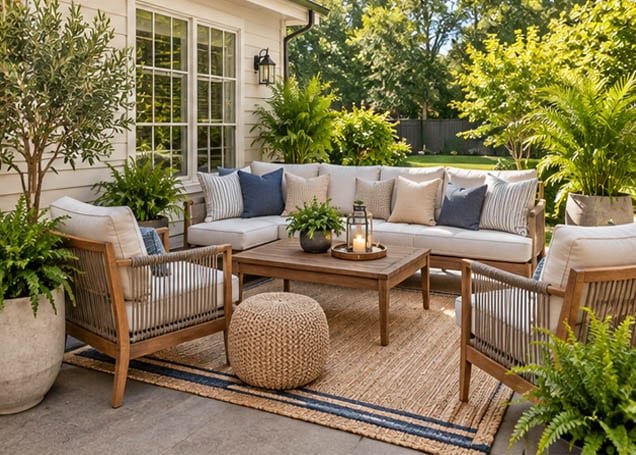
Plants help connect a hard patio surface with the surrounding landscape.
Large containers can hold ornamental grasses, flowering plants, herbs, or compact shrubs.
Using containers of different heights can create visual depth without requiring additional garden beds.
Choose plants according to the amount of sunlight your patio receives and your local growing conditions.
10. Create a Garden Border Around Your Patio
If you have space around your patio, create a planting border.
A combination of shrubs, perennials, ornamental grasses, and seasonal flowers can soften hard patio edges.
Before selecting plants, consider mature plant size, sunlight, drainage, and your USDA Plant Hardiness Zone.
A well-planned border can make a basic patio feel more integrated with the backyard.
11. Add a Fire Pit Area
A fire pit can create a natural gathering point on a patio.
There are portable and permanent options, but placement and safety should come first.
Keep fire features away from combustible materials and follow manufacturer instructions, local fire rules, and any applicable building codes.
Where wood-burning fires are restricted, homeowners may need to consider permitted alternatives.
12. Design an Outdoor Living Room
Think of your patio as another room in your home.
Start with comfortable outdoor seating and then add a coffee table, side tables, lighting, and weather-appropriate accessories.
Arranging furniture around a central focal point helps the area feel intentional.
Choose furniture and textiles designed for outdoor conditions.
13. Use an Outdoor Rug
An outdoor rug can visually connect a group of patio furniture and define a seating or dining zone.
Choose a rug specifically made for outdoor use and suitable for the conditions on your patio.
The size matters too. A rug that is too small can make furniture look disconnected, while a properly sized rug can make the entire arrangement feel more cohesive.
14. Create Privacy With Plants
If your patio is visible from neighboring properties, landscaping can provide additional privacy.
Depending on your climate and space, options may include:
- Evergreen shrubs
- Tall ornamental grasses
- Trellised vines
- Container-grown screening plants
Research mature plant dimensions before planting so the plants don’t eventually overwhelm the patio.
15. Add a Privacy Screen
Plants aren’t the only option for creating privacy.
Decorative outdoor screens, lattice panels, or suitable fencing can help make a seating area feel more secluded.
A partial screen may be enough if you only need to block one particular sightline.
Check local rules before installing tall or permanent structures.
16. Combine Patio Space With a Garden
A patio doesn’t need to be separated from your garden.
Instead, allow garden beds to wrap around the patio and use pathways to connect different areas of the backyard.
You could place herbs near an outdoor dining area or grow flowering plants close to seating where they can be enjoyed.
This approach can create a natural transition between your home’s outdoor living and gardening spaces.
17. Create a Gravel Patio
Gravel can provide a relaxed look and may be an option for certain backyard projects.
Proper site preparation is important because drainage, edging, and the underlying base affect how well the area performs.
Add outdoor chairs, a table, and container plants for a simple casual setting.
For accessibility needs, consider whether a loose surface will be practical for everyone using the space.
18. Mix Patio Materials
Using more than one material can add visual interest to an outdoor space.
For example, a patio could combine concrete pavers with gravel borders or stone accents.
The key is keeping the materials visually connected.
Repeating colors or textures found elsewhere on the house can help the patio feel like a natural extension of the property.
19. Add a Water Feature
The sound of moving water can give a backyard patio a relaxing atmosphere.
For smaller patios, consider a compact fountain designed for outdoor use rather than a large pond.
Place it where you can enjoy it from the main seating area.
Follow electrical and maintenance requirements carefully for powered water features.
20. Create Different Patio Zones
A larger patio can serve several purposes.
Instead of filling it with one large furniture arrangement, create separate zones.
For example:
Zone 1: Outdoor dining
Zone 2: Conversation seating
Zone 3: Grilling or cooking
Zone 4: Container garden
You can distinguish zones using furniture placement, rugs, planters, or changes in flooring.
21. Add a Grilling Station
If outdoor cooking is important to you, designate a specific area for your grill.
Keep the cooking area organized with appropriate storage or preparation space while maintaining required clearances from walls, roofs, furniture, and other combustible materials.
Always follow the grill manufacturer’s safety and placement instructions.
22. Use Neutral Colors With Natural Textures
A simple color palette can make a patio feel calm and cohesive.
Neutral furniture can be paired with natural textures such as wood, stone, woven outdoor materials, and greenery.
Then add color through replaceable elements such as outdoor cushions, planters, and seasonal flowers.
This approach also makes it easier to update the patio’s appearance later.
23. Add Shade for Hot Summer Days
Shade can significantly improve the comfort of a sunny patio.
Depending on your space, consider:
- Patio umbrellas
- Retractable awnings
- Shade sails
- Pergolas
- Covered patio structures
Observe where the sun falls throughout the day before deciding where shade is most needed.
24. Decorate With Seasonal Plants
Changing a few container plants is an easy way to refresh a patio throughout the year.
In spring and summer, you might use colorful annuals or foliage plants suited to your climate. During fall, seasonal containers can introduce different textures and colors.
Choose plants according to local conditions rather than assuming the same varieties will thrive everywhere in the United States.
25. Keep the Design Simple
One of the most useful backyard patio ideas is also one of the easiest: don’t overcrowd the space.
A patio doesn’t need dozens of decorative elements.
A comfortable seating arrangement, a few well-chosen plants, useful lighting, and enough open space for movement may be all you need.
Start with the way you actually plan to use the patio and build the design around that purpose.
How to Plan Your Backyard Patio
Before buying furniture or materials, think about how you want to use your outdoor space.
Ask yourself:
- Will the patio mainly be used for dining or relaxing?
- How many people normally use the space?
- How much direct sunlight does the area receive?
- Do you need more shade?
- Do you need privacy from neighboring properties?
- Where will people walk?
- How will rainwater drain from the area?
- What is your realistic budget?
Answering these questions can prevent you from spending money on features that don’t suit your backyard.
For permanent patios, roofs, electrical installations, gas lines, major drainage changes, or other structural projects, consider applicable local codes and qualified professional help.
How to Make a Backyard Patio Look Better on a Budget
If you already have a patio, start by improving what you have.
Clean the patio surface, remove unnecessary items, rearrange furniture, and trim nearby plants. Then identify the area that needs the most improvement.
You might add a few containers, an outdoor rug, new cushions, or outdoor-rated lighting.
Small changes often have more impact when they follow one consistent design rather than adding many unrelated decorations.
Backyard Patio Ideas for Small Spaces
For small patios, prioritize function.
Use furniture with a smaller footprint and consider pieces that can serve more than one purpose. Vertical planting can provide greenery without taking up much floor space.
Keeping the design visually simple can also make a compact backyard feel less crowded.
Most importantly, measure your patio before purchasing furniture.
Frequently Asked Questions
What is a good size for a backyard patio?
There isn’t one ideal patio size for every home. The right size depends on your available yard, furniture, number of users, and intended activities. Measure the furniture you plan to use and allow comfortable circulation around it before deciding on dimensions.
How can I make my backyard patio look nice?
Start with a clear furniture arrangement and then add plants, outdoor lighting, shade, and a few coordinated accessories. Keeping the patio clean and avoiding excessive decoration can also make a significant difference.
How do I make a small patio look bigger?
Choose appropriately scaled furniture, maintain clear walking paths, use vertical space for plants, and avoid overcrowding. A consistent color palette can also help the space feel more visually connected.
What can I put around my backyard patio?
Depending on your climate and yard design, you can use garden beds, shrubs, ornamental grasses, container plants, pathways, landscape edging, or privacy screening around a patio.
How can I add privacy to a backyard patio?
Options include privacy screens, appropriate fencing, trellises, evergreen shrubs, tall ornamental grasses, or container plants. The best choice depends on available space, local regulations, and how much screening you need.
What is the easiest way to update an existing patio?
Begin with cleaning and rearranging the space. After that, simple additions such as container plants, outdoor cushions, a rug, or improved lighting can refresh the patio without a complete renovation.
Final Thoughts
The best backyard patio ideas aren’t necessarily the most expensive ones. A successful patio should fit your yard, your budget, and the way you actually spend time outdoors.
Start with the essentials: comfortable seating, adequate shade, useful lighting, and a layout that allows people to move easily. From there, you can personalize the space with plants, dining areas, privacy features, or other elements that suit your lifestyle.
Whether you’re working with a compact patio or a large backyard, thoughtful planning can turn an underused outdoor area into a comfortable extension of your home.